


Fleet Week Houston: A Historic First Brings Maritime Power to Texas
A New Chapter for Houston’s Waterfront
For the first time in its history, Houston is hosting Fleet Week—an event that transforms the city into a living showcase of naval power, military heritage, and community engagement. Running from April 15 through April 22, Fleet Week Houston marks a significant milestone not only for the city but for the entire state of Texas, drawing more than 1,000 active-duty service members and multiple naval vessels to the region.
What sets this inaugural edition apart is its scale and symbolism. Positioned as part of the broader America 250 celebrations, the event is both a public spectacle and a reminder of the nation’s maritime legacy—one that, in Texas, stretches back nearly two centuries.
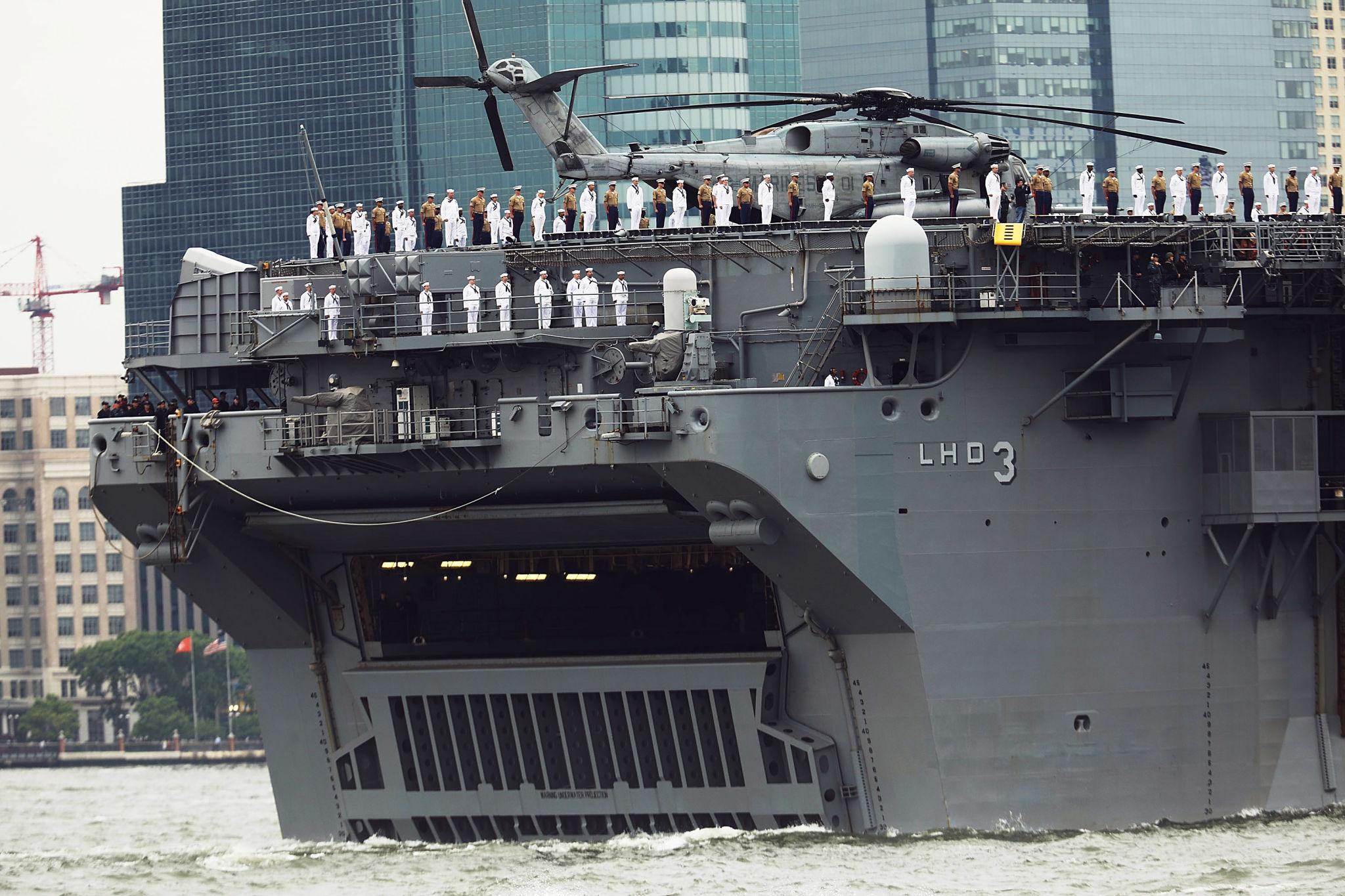
The Parade That Opened the Week
Fleet Week Houston officially began with the Parade of Ships, a ceremonial procession through Galveston Bay. The sight of naval vessels entering the port set the tone for a week defined by accessibility and interaction. Unlike traditional military displays, Fleet Week invites the public to step directly into the operational world of the Navy and Marine Corps.
This opening event also carried historical resonance. Galveston, once the central hub of the early Texas Navy, again became a focal point for maritime activity, linking past and present in a visible and meaningful way.
What Visitors Can Experience
Fleet Week Houston is designed as an immersive, citywide experience rather than a single-location event. Activities are spread across major venues including the Port of Houston, downtown parks, cultural institutions, and coastal areas.
Ship Tours and Public Access
One of the defining features of Fleet Week is public access to active-duty naval ships. Visitors can board and explore these vessels, gaining firsthand insight into life at sea and modern naval operations.
The process is structured to manage large crowds efficiently:
- Tours operate on a first-come, first-served basis
- Visitors join an on-site queue system for timed entry
- Capacity limits are strictly enforced for safety
Security protocols are also rigorous. Adults must present valid government-issued identification, while non-U.S. citizens are subject to additional screening measures, including fingerprinting and photography.
Physical requirements for tours are equally strict. Visitors must be able to navigate narrow corridors and steep ladders, reflecting the operational realities of naval vessels.
A Full Week of Events
Beyond ship tours, Fleet Week Houston offers a diverse program that blends military demonstrations with cultural and community events.
Key highlights include:
- Fleet Week on the Green – A downtown gathering featuring live entertainment
- Aviation Exhibit at Ellington Air & Space Port – Showcasing military aircraft and technology
- Fleet Week Expo at POST Houston – Interactive displays and educational exhibits
- Concerts and Cultural Performances – Hosted across multiple venues
- Street Festival and Drone Show in Seabrook – A large-scale public celebration
- Maritime Lecture Series – Focused on naval strategy and shipping security
This broad programming reflects a deliberate effort to engage different segments of the public—from families and students to veterans and industry professionals.
The Human Stories Behind the Uniform
Fleet Week is not only about ships and hardware. It is also about the people who serve.
During coverage of the event, U.S. Marine Corps Capt. William Cole spoke about his personal journey to becoming a Marine, highlighting the dedication and discipline required to serve. His story reflects a broader theme of Fleet Week: connecting civilians with the individuals behind military operations.
By bringing sailors and Marines into direct contact with the public, the event humanizes the armed forces, fostering understanding and appreciation that goes beyond ceremonial displays.
Texas’ Naval Legacy Revisited
Fleet Week Houston also serves as a platform to revisit Texas’ often-overlooked naval history.
Before becoming part of the United States, Texas operated its own navy during the fight for independence from Mexico. Established in 1835, the Texas Navy played a critical role in securing supply lines and disrupting enemy operations in the Gulf of Mexico.
Historical accounts emphasize its importance:
- It protected the coastline during a vulnerable period
- It captured enemy ships carrying critical supplies
- Its actions directly supported the victory at the Battle of San Jacinto
As Brigadier General Theodore Roosevelt Jr. once noted, the Texas Navy was instrumental in ensuring the survival of the Republic of Texas.
Fleet Week Houston effectively reconnects modern audiences with this legacy, positioning today’s naval forces within a longer historical continuum.
Economic and Cultural Impact
Large-scale events like Fleet Week generate measurable economic activity. Hotels, restaurants, and local businesses benefit from increased foot traffic, while the city gains national visibility.
However, the cultural impact may be more significant:
- Public education: Visitors learn about naval operations and maritime security
- Recruitment visibility: The military gains exposure among younger audiences
- Civic pride: The event reinforces Houston’s identity as a major port city
The inclusion of aviation exhibits, lectures, and community events ensures that the impact extends beyond tourism into education and long-term engagement.
Safety, Logistics, and Practical Considerations
Organizers have emphasized preparation and safety, given the industrial nature of many event locations.
Visitors are advised to:
- Wear closed-toe shoes and comfortable clothing
- Prepare for heat with sunscreen and hydration
- Avoid bringing large bags or restricted items
- Expect significant walking and physical activity
These guidelines reflect the operational environment of ports and naval vessels, reinforcing the authenticity of the experience.
Looking Ahead: Will Fleet Week Become a Tradition?
As Houston hosts its first Fleet Week, attention is already turning to the future.
If successful, the event could become a recurring fixture, similar to established Fleet Weeks in cities like New York and San Francisco. Its integration into the America 250 celebrations provides additional momentum, aligning it with broader national commemorations.
Several factors will influence its long-term viability:
- Public turnout and engagement levels
- Economic impact on the city
- Continued support from military and civic stakeholders
Given the scale and ambition of the inaugural edition, the foundation appears strong.
Conclusion: A Strategic Blend of History, Community, and Military Presence
Fleet Week Houston is more than a series of events—it is a strategic convergence of history, public outreach, and national identity.
By opening naval ships to the public, showcasing military capabilities, and celebrating Texas’ maritime heritage, the event creates a multidimensional experience that resonates across generations.
As Houston embraces this new tradition, Fleet Week stands as a reminder that maritime power is not just a matter of defense—it is also a story of people, history, and connection.


