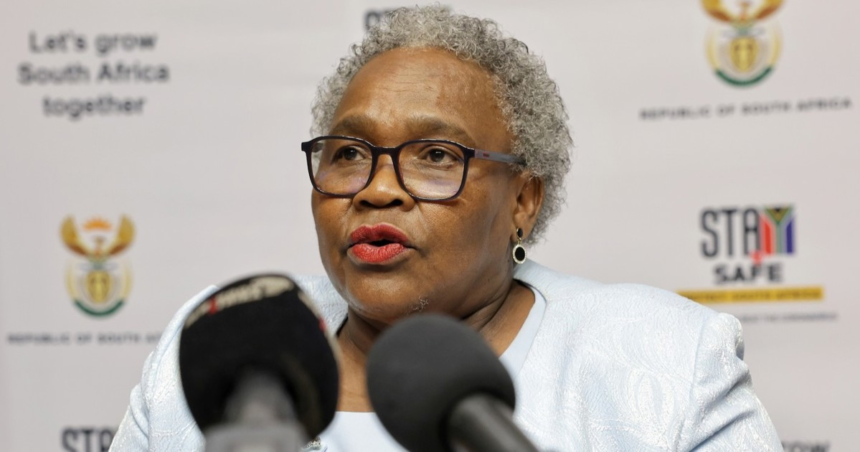
Minister Sisisi Tolashe: From ANC Power Figure to Political Crisis
South African politics has been shaken by the dramatic fall of Minister Sisisi Tolashe, once regarded as one of the African National Congress Women’s League’s most influential figures and a trusted ally within President Cyril Ramaphosa’s political circle. What began as allegations surrounding luxury SUVs and ethical misconduct has rapidly escalated into one of the country’s most closely watched governance controversies in 2026.
- Who Is Sisisi Tolashe?
- The Allegations That Triggered the Crisis
- A Minister “Lurching From Scandal to Scandal”
- Ramaphosa Finally Acts
- Opposition Parties Claim Victory
- Why the Social Development Portfolio Matters
- The ANC Women’s League Dimension
- Public Reaction and Political Fallout
- What Happens Next?
- A Defining Governance Test for South Africa
The crisis reached its peak on 14 May 2026 when President Cyril Ramaphosa officially removed Tolashe from her role as Minister of Social Development. The dismissal followed mounting pressure from opposition parties, civil society organizations, and growing public scrutiny over allegations involving corruption, misuse of public resources, and abuse of office.
The political storm around Tolashe has become more than just a personal scandal. It has evolved into a broader debate about accountability, ethical leadership, and the state of governance in South Africa.


Who Is Sisisi Tolashe?
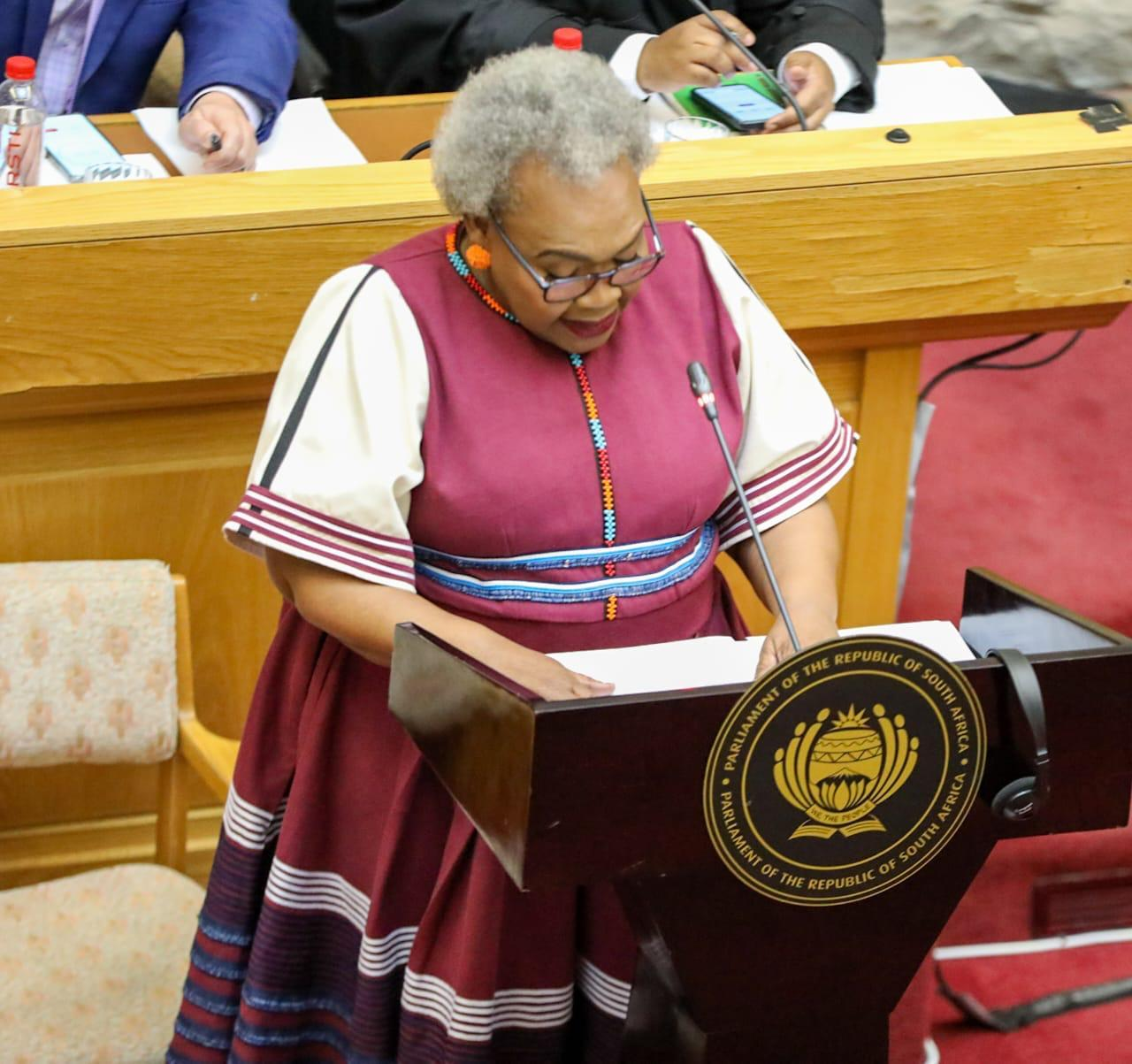
Sisisi “Sisi” Tolashe, formally known as Nokuzola Gladys Tolashe, is a veteran South African politician and long-serving member of the African National Congress (ANC). Born on 21 December 1959 in Queenstown in the former Cape Province, she built her political reputation through activism during the anti-apartheid era.
During the 1980s, Tolashe was detained without trial for five years under apartheid security legislation. Her political roots were shaped through youth activism and civic organizations connected to the United Democratic Front.


Over the decades, she climbed through the ANC’s political structures, serving in multiple influential roles, including:
- Member of the Eastern Cape Provincial Legislature
- Secretary-General of the ANC Women’s League (ANCWL)
- Executive Mayor of Enoch Mgijima Local Municipality
- Member of Parliament
- Deputy Minister in the Presidency for Women, Youth and Persons with Disabilities
- President of the ANC Women’s League
- Minister of Social Development
Her appointment as Minister of Social Development in 2024 placed her in charge of one of South Africa’s most sensitive and socially critical departments, responsible for welfare programs and support for vulnerable citizens.
The Allegations That Triggered the Crisis
The controversy intensified in April 2026 when the Democratic Alliance (DA) publicly accused Tolashe of serious misconduct involving public servants allegedly employed in her private residence.
According to a statement issued by DA spokesperson on Social Development, Nazley Sharif MP, the opposition party requested that Parliament’s Public Service Committee investigate allegations that public employees were being used for nanny services at Tolashe’s home while part of their salaries was allegedly taken by her family.


Sharif described the allegations as:
“the very definition of corruption.”
The DA further alleged that employees may have been dismissed unlawfully and without proper labour procedures.
The opposition party argued that using taxpayer-funded employees for household work represented an abuse of public office, particularly while South Africa continued facing severe social and economic challenges.
The statement sharply criticized the minister’s leadership and linked the new allegations to a wider pattern of controversies surrounding her tenure.
A Minister “Lurching From Scandal to Scandal”
The nanny-services allegations did not emerge in isolation.
Before the latest controversy, Tolashe had already faced scrutiny over allegations involving luxury vehicles reportedly donated by the Chinese Embassy to the ANC Women’s League.
According to reports, the ANC’s Integrity Commission called Tolashe to appear before it after allegations surfaced that two luxury SUVs had been handed to her adult children.
Additional accusations circulating in political discourse included claims that she:
- failed to disclose donated vehicles,
- misled Parliament,
- interfered in senior appointments,
- and presided over a struggling Social Development Department.
These allegations fueled growing criticism from opposition parties and intensified public pressure on President Ramaphosa to act.
The Democratic Alliance repeatedly argued that keeping Tolashe in office was becoming “untenable,” stating that ethical governance standards were being undermined.
Ramaphosa Finally Acts
After weeks of mounting political pressure, President Cyril Ramaphosa dismissed Tolashe on 14 May 2026 under Section 91(2) of South Africa’s Constitution.
The Presidency announced:
“President Cyril Ramaphosa has in terms of section 91(2) of the Constitution of the Republic of South Africa,1996, removed Minister Sisisi Tolashe from the position of Minister of Social Development.”
The Presidency further confirmed that Sindisiwe Chikunga, Minister in the Presidency for Women, Youth and Persons with Disabilities, would temporarily oversee the Social Development portfolio until a permanent appointment is made.
The dismissal marked one of the most significant cabinet shakeups of Ramaphosa’s administration in 2026 and signaled increasing political sensitivity around corruption allegations inside government structures.
Opposition Parties Claim Victory
The Democratic Alliance quickly welcomed Tolashe’s dismissal, arguing that sustained political pressure forced the President to act.
The party framed the firing as evidence that accountability mechanisms can still function when Parliament, opposition parties, and public institutions maintain pressure on executive leadership.
Meanwhile, media coverage intensified across South African news platforms and political commentary channels. Television broadcasts, parliamentary discussions, and online political commentary have kept the controversy in national headlines.
Videos discussing the scandal rapidly gained traction online, with public debate focusing heavily on governance ethics, corruption, and ministerial accountability.
Why the Social Development Portfolio Matters
The scandal has attracted particular attention because the Department of Social Development oversees programs that directly affect millions of vulnerable South Africans.
The department manages key welfare initiatives, including:
- social grants,
- child support programs,
- food assistance,
- poverty relief,
- and services for vulnerable communities.
Critics argued that allegations of personal enrichment or misuse of public resources are especially troubling within a department tasked with protecting the country’s poorest citizens.
This context amplified public anger and intensified demands for transparency.
The ANC Women’s League Dimension
Tolashe’s political influence extends beyond government.
As President of the ANC Women’s League since July 2023, she became one of the ANC’s most visible female political leaders. Her victory over figures such as Bathabile Dlamini during ANCWL leadership elections strengthened her national profile and aligned her closely with President Ramaphosa’s political faction.
Her downfall could therefore have broader implications inside ANC internal politics, particularly regarding factional alignments ahead of future party leadership contests.
Political analysts are now closely watching whether the scandal weakens Ramaphosa-aligned networks within the ANC Women’s League or triggers deeper leadership changes inside the organization.
Public Reaction and Political Fallout
Public reaction has been sharply divided.
Critics view the dismissal as long overdue and argue it reflects persistent problems of corruption and patronage within South African politics.
Supporters of Tolashe, however, have questioned whether due process was fully respected and whether political pressure influenced the decision before formal investigations were completed.
Nevertheless, the controversy has once again pushed corruption and ethics to the center of South Africa’s political conversation.
The scandal also arrives during a period when public trust in government institutions remains under strain due to ongoing economic hardship, unemployment, service delivery failures, and repeated corruption allegations involving public officials.
What Happens Next?
Several major questions remain unresolved:
Will Parliament launch a full inquiry?
Opposition parties continue pushing for comprehensive parliamentary investigations into all allegations involving Tolashe.
Could criminal investigations follow?
If evidence emerges regarding financial misconduct or abuse of state resources, law enforcement agencies may face pressure to investigate further.
Who will permanently replace Tolashe?
Sindisiwe Chikunga currently serves in an acting capacity, but attention is already turning toward who Ramaphosa may appoint permanently to lead Social Development.
What impact will this have on the ANC?
The scandal could influence internal ANC dynamics, especially within the ANC Women’s League and among Ramaphosa allies.
A Defining Governance Test for South Africa
The rise and fall of Sisisi Tolashe encapsulates many of the tensions shaping South African politics today: liberation movement legacy, internal ANC factional battles, governance failures, and growing public demands for accountability.
Her dismissal may satisfy critics calling for stronger action against alleged misconduct, but it also raises broader questions about institutional oversight and ethical leadership across government.
For President Ramaphosa, the episode represents another difficult balancing act between protecting political alliances and responding to mounting public demands for accountability.
For South Africans, especially those dependent on social welfare services, the controversy has become a symbol of deeper frustrations about governance, corruption, and the responsibilities of public office.
As investigations and political fallout continue unfolding, the Tolashe saga is likely to remain one of the defining political stories in South Africa throughout 2026.