


Sony Xperia 1 VIII: Sony’s Camera-First Flagship Doubles Down on Creators
Sony has introduced the Xperia 1 VIII, a premium Android flagship that continues the company’s long-running strategy of building smartphones for photographers, videographers, and audio-focused users rather than chasing every mainstream design trend. The new model arrives with a redesigned camera system, a larger telephoto sensor, Qualcomm’s Snapdragon 8 Elite Gen 5 chipset, and a set of old-school hardware features that have become increasingly rare on modern flagship phones.
The Xperia 1 VIII is now available for pre-order in Europe, with shipping expected in June. Sony is also bundling the phone with a free pair of WH-1000XM6 headphones during the pre-order period, a notable offer given the headphones’ premium positioning. The base 12GB RAM and 256GB storage model is listed at around €1,499 / £1,399, while the higher-end 16GB RAM and 1TB storage version is priced at €1,999 / £1,849 and is being sold exclusively through Sony’s own stores in select markets.
A Flagship Built Around the Camera
The biggest change on the Xperia 1 VIII is its telephoto camera. Sony has moved to a new 48-megapixel 1/1.56-inch telephoto sensor, which the company says is approximately four times larger than the sensor used in the previous model. That upgrade is designed to improve detail, low-light performance, dynamic range, and noise control.
This is a significant shift for the Xperia line. Previous Xperia 1 models leaned heavily on continuous optical zoom, giving users a camera-like experience with variable focal lengths. The Xperia 1 VIII takes a different approach: the telephoto camera is fixed at 70mm, equivalent to 2.9x magnification from the 24mm main lens, and then uses the higher-resolution 48MP sensor for longer zoom levels.
That change may divide Xperia loyalists. On one hand, Sony has stepped away from one of the most distinctive technical features of earlier Xperia flagships. On the other, the larger telephoto sensor could deliver better image quality where it matters most: portraits, night scenes, and detailed zoom shots.
AI Camera Assistant: Sony Adds Guidance Without Removing Control
The Xperia 1 VIII also introduces a new AI Camera Assistant powered by Xperia Intelligence. Sony says the assistant can recognize the scene, subject, and weather conditions, then suggest camera settings such as color tones, lens choices, and bokeh effects. Users can apply the recommendation with a tap or continue adjusting settings manually.
That distinction is important. Sony’s Xperia phones have traditionally appealed to users who want more control, not less. Instead of turning the camera into a fully automated black box, the Xperia 1 VIII appears to use AI as a guide inside a more photographer-driven workflow.
The camera system also supports RAW multi-frame processing, HDR, and noise reduction for low-light photography. According to the supplied information, RAW multi-frame processing is applied across all rear cameras, helping preserve highlights, lift shadows, and reduce noise in difficult lighting conditions.
A New Camera Island and a More Modern Look
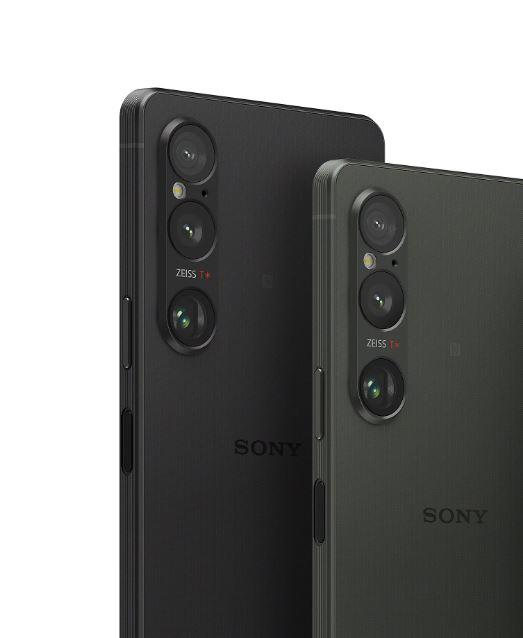
Sony has also redesigned the rear camera layout. The Xperia 1 VIII moves away from the long vertical camera strip that has defined the Xperia line for years and adopts a square camera island. This gives the phone a fresher appearance while still keeping Sony’s restrained industrial design language.
The phone is available in Graphite Black, Iolite Silver, Garnet Red, and Native Gold. The Native Gold version is tied to the 1TB configuration and is available exclusively through Sony stores in select countries.
For a brand that often changes slowly, this visual update matters. Xperia phones have long been recognizable, but also conservative. The Xperia 1 VIII suggests Sony is willing to modernize the design without abandoning the functional identity that keeps its niche audience loyal.
Snapdragon 8 Elite Gen 5 and Flagship Performance
Inside, the Xperia 1 VIII uses Qualcomm’s Snapdragon 8 Elite Gen 5 Mobile Platform. The supplied information states that the chipset brings a 20% boost in CPU performance, a 23% faster GPU, and up to a 20% reduction in power usage compared with the previous generation.
That gives the Xperia 1 VIII the performance foundation expected from a 2026 flagship. The base model includes 12GB of RAM and 256GB of storage, while higher configurations include up to 16GB of RAM and 1TB of storage. Outside Europe, additional 12GB/512GB and 16GB/512GB versions are expected to be available through third-party retailers.
One of Sony’s most practical advantages remains expandable storage. The Xperia 1 VIII keeps the microSD card slot, a feature that has nearly disappeared from premium smartphones. For creators shooting high-resolution photos, 4K video, or large RAW files, expandable storage is more than nostalgia; it can be a real workflow advantage.
Audio Still Matters to Sony
Sony is also preserving another rare feature: the 3.5mm headphone jack. In an era when most flagship phones have moved entirely to wireless audio, the Xperia 1 VIII continues to support wired headphones for lossless, low-latency listening.
That choice fits Sony’s broader identity. The company has decades of audio heritage, and the Xperia line has often served users who care about sound quality as much as camera performance. The phone also includes symmetrical left and right stereo speakers, with Sony emphasizing deeper bass, higher highs, and a wider soundstage compared with earlier models.
The free WH-1000XM6 pre-order bundle strengthens that audio story. The headphones are positioned as premium over-ear ANC headphones, and the bundle makes the high price of the Xperia 1 VIII easier to justify for buyers who were already considering Sony’s top-tier audio gear.
Display and Battery: Familiar Strengths, Familiar Criticism
The Xperia 1 VIII features a 6.5-inch OLED display with up to a 120Hz refresh rate. The screen remains flat and avoids a camera cutout by placing the selfie camera in the upper bezel. Many Xperia fans will appreciate that decision because it preserves an uninterrupted viewing area.
However, the 1080p+ resolution may disappoint users who remember Xperia phones for their once-distinctive 4K displays. In a market where Sony’s flagship pricing remains high, display resolution is one area where some buyers may expect more.
Battery capacity remains 5,000mAh, with 30W wired charging and 15W wireless charging. Those numbers are functional but not class-leading. By 2026 flagship standards, Sony’s charging speeds are conservative, especially compared with brands that have pushed much faster wired charging in premium Android phones.
Europe Gets the Phone, North America Does Not
The Xperia 1 VIII is available for pre-order in Europe, including Amazon UK and Amazon Germany. The phone is scheduled to arrive around mid-June, with one listing indicating June 19 availability.
North American buyers, however, are left out. Sony has no current plans to bring the Xperia 1 VIII to the US, continuing a pattern that has made Xperia flagships harder to access in one of the world’s most important smartphone markets.
That absence limits the phone’s global impact. The Xperia 1 VIII may be one of the most distinctive Android flagships of the year, but its market reach remains narrower than that of Samsung, Apple, Google, Xiaomi, or OnePlus.
What the Xperia 1 VIII Says About Sony’s Strategy
The Xperia 1 VIII is not trying to be the safest mainstream flagship. It is expensive, specialized, and clearly aimed at users who value camera controls, expandable storage, wired audio, physical shutter operation, and Sony’s creator-focused ecosystem.
That makes it unusual. Many modern flagships are converging around similar design choices: no headphone jack, no microSD slot, heavy computational photography, and increasingly automated image processing. Sony is moving differently. It is adding AI, but not removing manual control. It is redesigning the camera, but keeping the shutter button. It is modernizing the phone, but retaining hardware features others have abandoned.
The question is whether that approach is enough to justify the price. At €1,499 / £1,399 for the base model and €1,999 / £1,849 for the 1TB version, the Xperia 1 VIII sits firmly in ultra-premium territory. The included WH-1000XM6 headphones improve the value during pre-orders, but after that promotion, Sony will need the phone’s camera, audio, and creator features to do the heavy lifting.
Conclusion: A Niche Flagship With a Clear Identity
The Sony Xperia 1 VIII is a reminder that not every flagship has to follow the same formula. Its larger 48MP telephoto sensor, AI Camera Assistant, Snapdragon 8 Elite Gen 5 processor, microSD support, headphone jack, shutter button, and premium audio bundle make it one of the most creator-focused smartphones in the market.
It is not the obvious choice for everyone. The price is high, charging remains conservative, and availability is limited. But for photographers, mobile filmmakers, and Xperia loyalists who want a smartphone that still feels connected to dedicated camera culture, the Xperia 1 VIII may be one of Sony’s most compelling releases in years.


