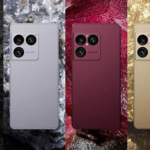
The Foldable iPhone’s “Bland” Colors May Be Entirely Intentional
Apple’s long-rumored foldable iPhone is shaping up to be one of the company’s most ambitious products in years. But while fans have spent months speculating about futuristic displays, crease-free folding technology, and ultra-premium hardware, a new rumor has shifted attention toward something surprisingly simple: color choices.
And according to multiple reports, Apple’s first foldable iPhone — widely expected to launch as the “iPhone Ultra” — may arrive in just two subdued finishes.
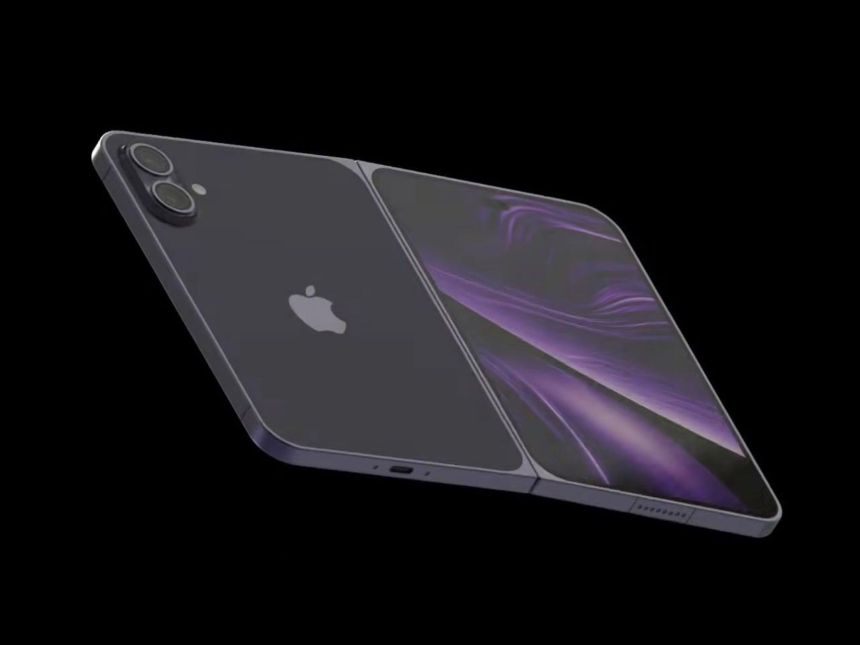
Rather than introducing vibrant or experimental shades, Apple is reportedly preparing a restrained palette consisting of a silver-white option and another muted tone described as silver, navy blue, dark gray, or deep indigo depending on the source.
For a product expected to cost more than $2,000, the decision has sparked debate online. Some see it as classic Apple minimalism. Others view it as disappointingly conservative for a device meant to redefine the iPhone lineup.


Apple’s Foldable Future Comes Into Focus
Rumors surrounding Apple’s foldable phone have intensified throughout 2026, with leaks from analysts, supply-chain insiders, and technology publications pointing toward a launch alongside the iPhone 18 Pro series later this year.


The device is frequently referred to as the “iPhone Ultra,” though Apple has not officially confirmed the branding.
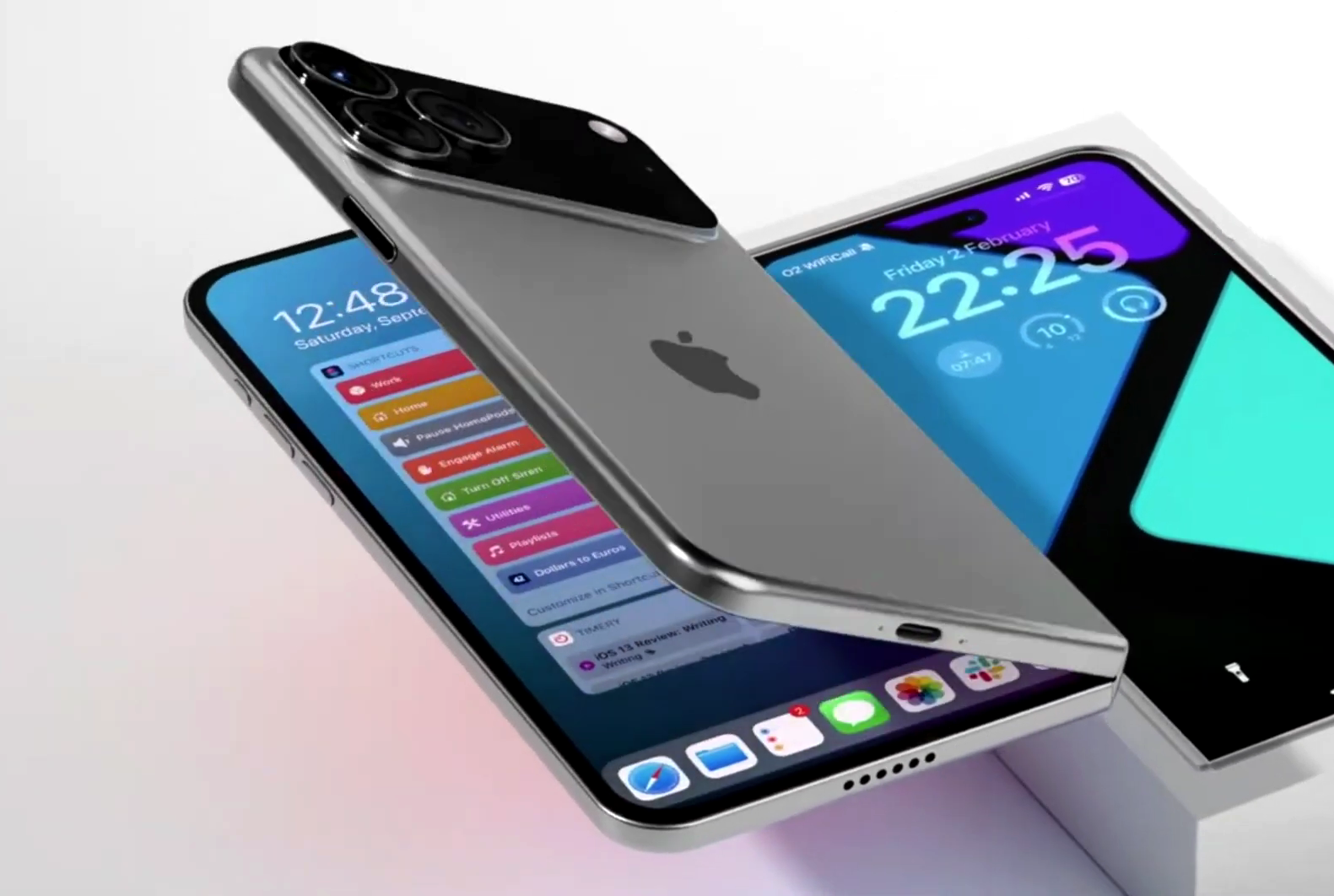
Reports suggest the foldable iPhone will feature:
- A large internal folding display around 7.8 inches
- Ultra-thin glass (UTG) protection
- A tablet-like aspect ratio when unfolded
- Dual rear cameras
- Touch ID integration
- Storage options reaching up to 1TB
- A premium hinge system designed to minimize visible creasing
Leaked mockups and concept renders indicate that Apple is aiming for an experience somewhere between an iPhone and an iPad mini. When folded, the device reportedly uses a short and wide external screen, while unfolding transforms it into a compact productivity-focused tablet.
That ambitious hardware design is likely one reason Apple appears to be limiting its launch configuration choices.


Why Only Two Colors?
The foldable iPhone’s limited palette is not believed to be accidental.
Several reports suggest Apple is deliberately keeping the first-generation model simple to avoid production complications and inventory risks during the early manufacturing phase.
According to supply-chain analyst Ming-Chi Kuo, Apple could face yield challenges and constrained supply through late 2026. Foldable displays remain expensive and difficult to produce at scale, especially for a company known for tight quality standards.
Adding more colors may sound trivial, but it significantly complicates manufacturing logistics.
Each finish requires separate production planning, testing, inventory management, and quality control. For a niche ultra-premium product expected to ship in relatively low numbers compared to standard iPhones, Apple may see little advantage in offering a broad range at launch.
Analysts cited in several reports believe the company is prioritizing:
- simplified manufacturing
- reduced inventory risk
- production efficiency
- premium product positioning
The strategy mirrors Apple’s earlier approach with the iPhone X in 2017, which debuted in only Silver and Space Gray before additional finishes appeared in later generations.
The “Subdued Luxury” Strategy
The rumored colors themselves reveal a lot about Apple’s intended market positioning.
One reported option is expected to be a silver-white finish, while the second could be deep indigo, navy blue, dark gray, or another muted metallic shade.
Rather than appealing through flashy colors, Apple appears to be emphasizing exclusivity and sophistication.
This aligns with Apple’s broader design language in recent years, especially for Pro-tier devices. The company has increasingly favored titanium finishes, darker metallic tones, and understated palettes over bright consumer-focused colors.
Some observers believe the foldable iPhone is being positioned less like a mainstream smartphone and more like a luxury technology product — similar to a high-end watch or premium laptop.
That philosophy may explain why reports repeatedly describe the device’s aesthetic as “refined,” “minimal,” and “premium-focused.”
A Foldable Designed for the Ultra-Premium Market
Color choices are only one piece of a much bigger story: Apple’s foldable iPhone may become the company’s most expensive smartphone ever.
Multiple reports place the expected starting price above $2,000 globally. In India, some estimates suggest pricing around ₹2.25 lakh.
That would place the iPhone Ultra roughly $500 above the expected price of the iPhone 18 Pro Max.
The high price is reportedly tied to:
- advanced folding display technology
- low production volume
- premium materials
- complex hinge engineering
- cutting-edge internal hardware
Despite the enormous price tag, Apple is expected to market the device as a flagship showcase of future iPhone technology rather than a mass-market product.
Industry analysts estimate shipments between 3 million and 5 million units in 2026, significantly lower than traditional iPhone launches.
Timing Still Points Toward September
Although some rumors hint at possible delays into December, most major reports continue pointing toward a September 2026 unveiling.
That would place the foldable alongside the iPhone 18 Pro lineup, which is also rumored to introduce major upgrades.
Leaks surrounding the iPhone 18 Pro and Pro Max include:
- under-display Face ID technology
- a smaller punch-hole front camera
- a next-generation A20 Pro chip built on a 2nm process
- mechanical iris camera controls
- improved stacked image sensors
- significantly larger batteries
The iPhone 18 Pro Max could reportedly feature a battery approaching 5,100mAh — potentially the largest battery ever included in an iPhone.
Together, these launches would mark one of Apple’s most aggressive hardware refresh cycles in years.
Online Reaction Has Been Mixed
The rumored foldable colors have already generated strong reactions online.
Some users criticized the restrained palette, arguing that a futuristic foldable device deserves bolder styling choices. Others questioned whether consumers paying over $2,000 would accept limited personalization options.
A commenter reacting to the rumors described the device as:
“You can have any color as long as it’s Silver or Navy Blue ahh phone”
Others defended the approach, saying premium buyers often prefer minimalist aesthetics over flashy finishes.
The debate highlights a broader tension in the smartphone industry: whether foldables should emphasize experimentation and personality or mature luxury design.
Competitors like Samsung, Huawei, Honor, and Oppo have often embraced brighter colors and more visually aggressive designs in their foldable products. Apple appears to be heading in the opposite direction.
Apple’s Foldable Gamble Could Shape the Industry
Even before its official announcement, the foldable iPhone is already influencing industry conversations.
Apple’s entry into the foldable market is expected to legitimize the category further, much like the company’s influence on smartwatches, wireless earbuds, and premium tablets.
If successful, the iPhone Ultra could accelerate:
- foldable app optimization
- premium foldable adoption
- accessory ecosystems
- developer support for larger flexible displays
At the same time, Apple’s conservative approach suggests the company is treating the first-generation foldable as a carefully controlled experiment rather than a mass-market revolution.
And that philosophy may explain the muted colors better than anything else.
The foldable iPhone is not expected to be loud.
It is expected to be expensive, refined, limited, and meticulously controlled — right down to the color options.
Conclusion
Apple’s rumored decision to launch its first foldable iPhone in only two subdued colors may disappoint fans hoping for bold finishes, but the strategy appears deeply connected to the realities of foldable manufacturing and Apple’s premium branding philosophy.
With production challenges, limited expected supply, and pricing projected above $2,000, the company seems focused on delivering a polished luxury device rather than a colorful mainstream gadget.
Whether consumers embrace that minimalist approach remains to be seen.
But one thing is becoming increasingly clear: Apple’s foldable iPhone is shaping up to be less about flashy experimentation and more about controlled exclusivity.
And in Apple’s world, even “bland” colors can become part of the product strategy.