Huawei’s HDC 2026 Signals a New Phase for HarmonyOS and AI
Huawei is preparing to place its software ecosystem firmly back in the global spotlight next month as the company officially confirmed that its annual Huawei Developer Conference (HDC 2026) will take place from June 12 to June 14 at Songshan Lake in Dongguan, Guangdong Province.
- HDC 2026 Officially Scheduled for June 12–14
- HarmonyOS 7 Appears Ready for Debut
- AI Takes Center Stage
- A Conference That Matters Beyond Developers
- Huawei’s Long Road After Android
- What Attendees Can Expect at HDC 2026
- Competition With Apple’s WWDC Adds Extra Attention
- The Broader Significance of HDC 2026
- Conclusion
The conference, one of Huawei’s most important software-focused events of the year, arrives at a critical moment for the company. After years of building HarmonyOS into an alternative ecosystem following U.S. sanctions and the loss of direct access to Google’s Android services, Huawei is now positioning the platform as a mature operating system with its own AI-centered future.
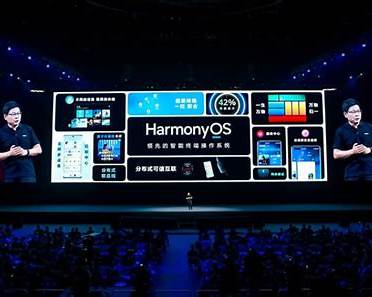
This year’s event is expected to showcase the next generation of HarmonyOS — widely believed to be HarmonyOS 7 — alongside new artificial intelligence capabilities, developer tools, and ecosystem initiatives.


HDC 2026 Officially Scheduled for June 12–14
Huawei confirmed the dates after weeks of speculation surrounding the future of HarmonyOS development. According to official announcements, HDC 2026 will run across three days, with programming centered around software innovation, AI integration, developer engagement, and ecosystem expansion.
The event will be held at Songshan Lake, Huawei’s well-known technology campus area in Dongguan. Over recent years, the location has become symbolic of Huawei’s push toward self-reliant software and hardware innovation.


Early-bird ticket sales began on April 29, while additional ticket batches are scheduled for release on May 13 and May 20 through Huawei’s official developer channels.
Ticket prices vary significantly depending on access level and seating category:
- Student tickets begin at just CNY 88 (around $13)
- One-day passes start from CNY 198 ($29)
- Two-day access costs around CNY 498 ($73)
- Full three-day access starts at CNY 698 ($102)
- Premium VIP packages reportedly reach as high as CNY 5,298
Higher-tier packages include benefits such as premium keynote seating, upgraded catering, and exclusive conference merchandise and equipment packs.
HarmonyOS 7 Appears Ready for Debut
The biggest focus of HDC 2026 will almost certainly be the next evolution of Huawei’s operating system.


Huawei’s official HarmonyOS Developer account stated that the conference will unveil “a brand-new version of HarmonyOS, core HarmonyOS AI capabilities, and new ecosystem achievements.”
Although Huawei has not publicly confirmed the final branding, industry expectations strongly point toward HarmonyOS 7. Previous releases have used alternative naming strategies — particularly “HarmonyOS NEXT” — to emphasize major architectural shifts.
That naming history means Huawei could once again avoid using a simple version number during the keynote presentation.
Still, the confirmation that a major new HarmonyOS release is arriving effectively puts to rest rumors suggesting the company might skip a major annual update cycle in 2026.
AI Takes Center Stage
One phrase appearing repeatedly in Huawei’s promotional material is particularly revealing: “cutting-edge AI breakthroughs.”
Huawei says the HarmonyOS ecosystem has “undergone a complete evolution,” with artificial intelligence now positioned at the center of the company’s software strategy.
This aligns with broader trends across the global technology industry. Companies including Apple, Google, Microsoft, Samsung, and Huawei are all racing to redefine operating systems around AI-powered assistants, on-device intelligence, automation, and cross-platform experiences.
At HDC 2026, Huawei is expected to demonstrate:
- New HarmonyOS AI frameworks
- Smarter cross-device experiences
- AI-enhanced app development tools
- Intelligent ecosystem integrations
- Expanded support for developers building AI-native services
The company has already been aggressively building AI infrastructure into HarmonyOS in recent years. Earlier HarmonyOS releases introduced distributed device coordination and tighter integration between phones, tablets, wearables, PCs, and IoT devices.
The next step appears to involve making AI the connective layer across all of those experiences.
A Conference That Matters Beyond Developers
While HDC is primarily aimed at software developers, the conference increasingly carries strategic significance for the broader technology market.
Huawei’s software ecosystem is no longer viewed as an experimental side project. After years of restrictions and trade sanctions, the company has managed to transform HarmonyOS into a central pillar of its long-term survival strategy.
Several recent developments illustrate that momentum:
- Huawei launched HarmonyOS 6 and expanded its AI agent framework
- HarmonyOS public beta programs have continued to grow
- Huawei recently introduced HarmonyOS PC, its own desktop operating system initiative
- Market research cited in industry reports suggested HarmonyOS surpassed iOS in China in certain segments
These developments indicate Huawei is attempting to establish a vertically integrated ecosystem that spans smartphones, PCs, wearables, automotive systems, and smart home products.
For developers, HDC 2026 represents an opportunity to understand where that ecosystem is heading next.
Huawei’s Long Road After Android
Huawei’s current software ambitions cannot be separated from the events that reshaped the company several years ago.
After U.S. sanctions severely restricted Huawei’s access to Google Mobile Services and critical Android partnerships, many analysts predicted the company would struggle to compete globally against Android and iOS.
Instead, Huawei accelerated development of HarmonyOS and gradually expanded it from a smartphone interface into a broader operating ecosystem.
That transition was not immediate or seamless. Early versions of HarmonyOS were often viewed as heavily Android-adjacent, while global users continued relying on EMUI-based systems.
Over time, however, Huawei increasingly pushed toward a more independent software stack.
Industry observers now see HarmonyOS as one of the few credible large-scale operating system alternatives developed outside the traditional U.S.-dominated ecosystem.
What Attendees Can Expect at HDC 2026
Huawei is planning more than keynote presentations.
According to conference details, HDC 2026 will include:
Interactive Exhibition Areas
Attendees will be able to experience new products and software demonstrations firsthand through immersive exhibition zones.
HarmonyOS Star Avenue
This area will allow developers and ecosystem partners to showcase applications, services, and technical innovations through live demonstrations and roadshows.
HarmonyOS Creative Block
Huawei says this section will feature collaborations involving popular intellectual properties and cross-industry integrations.
Technical Forums
Specialized sessions are expected to provide deep technical insights into HarmonyOS development, AI integration, and ecosystem engineering.
These sessions typically appeal to developers building applications for Huawei devices, but they also serve as signals for the company’s broader software roadmap.
Competition With Apple’s WWDC Adds Extra Attention
Interestingly, Huawei’s conference timing slightly overlaps with Apple’s WWDC season, creating an unusual moment in the global software calendar.
Apple’s Worldwide Developers Conference traditionally dominates headlines each June, especially around operating system announcements and AI features.
Huawei’s decision to hold HDC in the same period underscores the company’s confidence in the growing relevance of its own ecosystem.
The overlap also highlights a larger industry reality: software ecosystems are becoming increasingly strategic geopolitical and commercial battlegrounds.
The Broader Significance of HDC 2026
This year’s conference is not just about new software features or developer tools.
HDC 2026 represents Huawei’s continued effort to prove that it can sustain an independent technology ecosystem despite years of external pressure.
The emphasis on AI suggests Huawei sees intelligent services — rather than hardware alone — as the next phase of competition.
If HarmonyOS 7 successfully expands AI capabilities while strengthening developer adoption, Huawei could further solidify its position inside China and potentially expand its influence in emerging markets looking for alternatives to dominant Western ecosystems.
For the global tech industry, the conference will offer an important glimpse into how one of the world’s largest technology companies intends to compete in an AI-first future.
Conclusion
Huawei Developer Conference 2026 is shaping up to be far more than a routine annual developer gathering. Scheduled for June 12–14 in Dongguan, the event is expected to unveil the next chapter of HarmonyOS alongside Huawei’s latest AI ambitions.
With affordable ticket tiers already selling quickly, renewed focus on ecosystem growth, and mounting anticipation surrounding HarmonyOS 7, HDC 2026 could become one of Huawei’s most important software showcases in years.
Whether viewed as a developer summit, an AI strategy reveal, or a statement about technological independence, the conference is likely to attract close attention from developers, competitors, and industry analysts around the world.