Latest Sony Xperia 1 VIII Teaser Video Hints at a Bold New Camera Layout
Sony’s next flagship Xperia is arriving with a message that feels carefully designed for its most loyal audience: the camera is changing.
- A Teaser Built Around the Camera
- The End of the Familiar Vertical Camera Stack?
- A Camera-Focused Flagship, Not Just Another Android Phone
- AI Camera Assistant Brings a New Layer to Xperia Photography
- Classic Xperia Features Are Still Expected to Survive
- Colors, Pricing, and Availability Expectations
- Why the New Camera Layout Matters
- A Flagship for a Specific Kind of Buyer
- Conclusion: A Small Teaser With Big Implications
Ahead of the Xperia 1 VIII unveiling, Sony released a short teaser video that does not reveal the phone in full, but it strongly points toward a redesigned rear camera system. For a brand that has spent years building the Xperia 1 line around photography, creator tools, cinematic framing, and Alpha-inspired imaging, even a small visual hint is enough to generate serious attention.
The Xperia 1 VIII launch is set for May 13, with Sony’s livestream scheduled for 2am UTC. The timing is significant because the teaser arrives alongside a growing wave of leaks, renders, and early listings that suggest this may be one of the most visually distinctive Xperia flagships in years.


A Teaser Built Around the Camera
Sony’s latest teaser keeps the phone mostly under wraps, but the emphasis appears clear: the Xperia 1 VIII is being positioned around imaging upgrades.
The company has used dramatic language in the run-up to launch, including the phrase “for a seismic shift” in one teaser and “a new trinity has awoken” in another. The wording strongly suggests that Sony wants attention focused on the triple-camera system rather than a routine annual refresh.


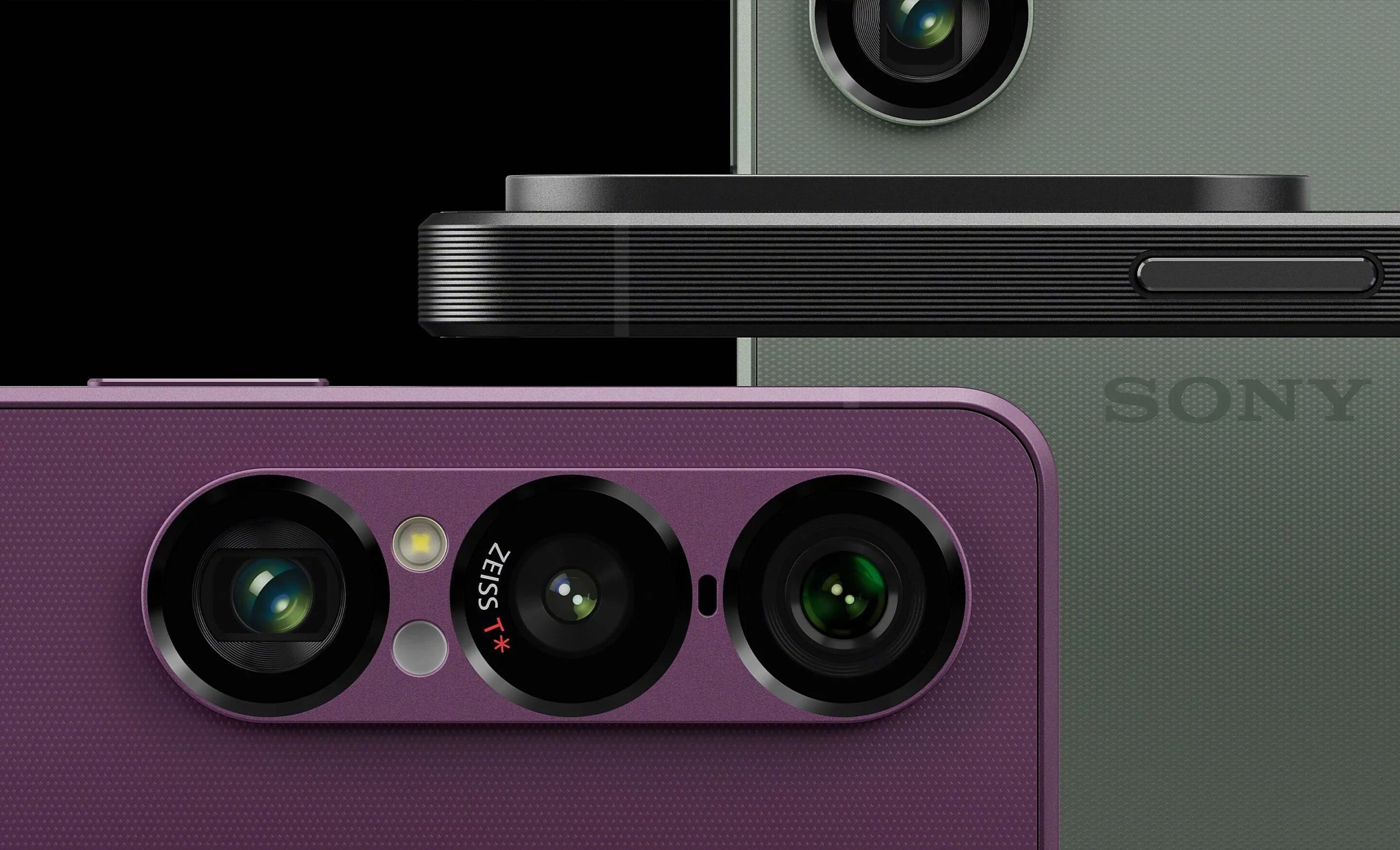
That matters because Xperia flagships have traditionally followed a recognizable design formula. Previous Xperia 1 models placed their triple rear cameras in a vertical column near the upper-left side of the phone. The teaser, combined with unofficial render leaks, now points to a new square-style camera island with the three lenses arranged in a triangular pattern.
For Sony, that would be more than a cosmetic tweak. The Xperia line has long appealed to users who care about manual photography, clean display design, wired audio, expandable storage, and creator-focused controls. A new camera layout signals that Sony may be rethinking how its flagship should look and feel while still holding onto the Xperia identity.
The End of the Familiar Vertical Camera Stack?
Unofficial CAD-based renders show a major redesign on the back of the Xperia 1 VIII. Instead of the long vertical camera strip used by earlier models, the Mark 8 is expected to feature a square camera island in the top-left corner.
Inside that island, the three cameras are reportedly arranged in a triangle. The alleged focal lengths are 16mm, 24mm, and 70mm, suggesting an ultrawide, main, and telephoto setup. That would keep the familiar triple-camera philosophy but present it in a visibly new way.


This matters because Sony has historically been conservative with Xperia design. The brand’s phones have favored tall displays, minimal interruptions, and understated industrial styling. A square camera island would be one of the clearest design breaks since Sony settled into the modern Xperia 1 format.
The change also brings Sony closer to the broader flagship market, where large camera islands have become a visual shorthand for premium imaging hardware. But Sony’s challenge is different from Samsung, Apple, Google, or Xiaomi: it must modernize without losing the niche features that make Xperia phones distinct.
A Camera-Focused Flagship, Not Just Another Android Phone
The Xperia 1 VIII is expected to continue Sony’s strategy of treating the phone as a compact creative tool rather than a mass-market lifestyle device.
The camera rumors point to three key focal lengths: 16mm, 24mm, and 70mm. In practical terms, that gives users a wide range for landscapes, everyday shooting, portraits, travel, and tighter compositions.
The telephoto camera is the most interesting part of the discussion. Later launch information indicates that Sony has moved to a 48MP f/2.8 telephoto camera with a 70mm focal length, offering roughly 2.9x optical zoom. That would be a major shift from the previous approach, which used a lower-resolution telephoto system with continuous optical zoom.
The trade-off is important. A larger, higher-resolution telephoto sensor can improve image quality, especially when cropping, but it may also mean Sony is prioritizing one stronger telephoto focal length over the flexibility of continuous optical zoom. For everyday users, this could make the camera feel simpler and more reliable. For Xperia purists, the change may spark debate.
AI Camera Assistant Brings a New Layer to Xperia Photography
Beyond hardware, the Xperia 1 VIII also brings attention to software-assisted photography.
The phone is reported to include a new AI Camera Assistant that can suggest lenses, bokeh effects, and color tones based on the scene and subject. That is notable because Sony has traditionally leaned into manual control, giving users a camera experience inspired by its Alpha camera ecosystem.
The new assistant does not necessarily mean Sony is abandoning manual photography. Instead, it suggests a balancing act: Xperia can remain a tool for serious shooters while becoming easier for casual users who want help choosing the right setup.
That direction reflects a broader smartphone trend. Flagship phone cameras are no longer judged only by sensor size or megapixel count. Software interpretation, AI scene analysis, subject recognition, and computational processing now play a central role in how images look.
For Sony, the question is whether it can use AI without diluting the camera-first identity that separates Xperia from other Android flagships.
Classic Xperia Features Are Still Expected to Survive
While the camera island may be changing, Sony appears to be keeping several features that Xperia fans value.
The Xperia 1 VIII is expected to retain a flat 6.5-inch OLED display with no notch or punch-hole. That means Sony is likely continuing with visible top and bottom bezels, a design choice that may look old-fashioned to some buyers but remains appealing to users who dislike screen cutouts.
The phone is also expected to keep the 3.5mm headphone jack, a rare feature in modern premium smartphones. This is especially important for Sony’s audience, which often includes audio enthusiasts, creators, and users who prefer wired monitoring.
Reports also point to microSD support, another feature most competing flagship phones have abandoned. If retained, that would reinforce the Xperia 1 VIII as a device built for people who capture large files, shoot video, store music locally, or prefer hardware flexibility over cloud dependence.
Colors, Pricing, and Availability Expectations
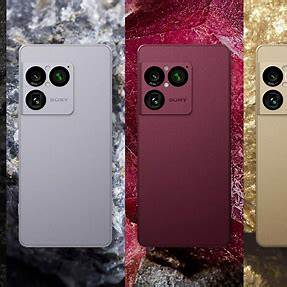
Leaks ahead of the launch point to several launch colors, including Graphite Black, Iolite Silver, and Garnet Red, with a Gold or Native Gold variant also rumored or expected in some markets.
Pricing is expected to remain firmly in premium territory. Early information suggested a high price, though some leaked pricing reportedly included a bundled pair of Sony WH-1000XM6 headphones. Later details point to UK pricing beginning at £1,399 for a 12GB/256GB version and rising to £1,849 for a 16GB/1TB model.
That pricing places the Xperia 1 VIII above many mainstream flagship rivals. Sony appears to be betting that its combination of camera hardware, creator-oriented controls, wired audio, expandable storage, and premium build will justify the cost for a smaller but more dedicated audience.
Shipments are expected around late June, with one earlier report pointing to June 26, while UK shipping estimates have also been linked to June timing.
Why the New Camera Layout Matters
The Xperia 1 VIII teaser is not just about a camera bump. It reflects a larger question about Sony’s smartphone future.
For years, Xperia phones have occupied a distinct but narrow space in the Android market. They are rarely the cheapest, rarely the most widely available, and often less aggressive than rivals in software update promises or mainstream marketing. But they remain unusual because they preserve features and design philosophies that other brands have dropped.
A redesigned camera island could help Sony make the Xperia 1 VIII feel fresh without abandoning that identity. The triangular lens arrangement and square module give the phone a more contemporary look, while the expected headphone jack, clean display, and photography-first tools keep it rooted in the Xperia tradition.
The teaser’s language — especially “a new trinity has awoken” — suggests Sony wants the triple-camera system to be the centerpiece of the story. Whether that translates into a meaningful leap in real-world photography will depend on sensor performance, processing, lens quality, and how well the new AI assistant works in practice.
A Flagship for a Specific Kind of Buyer
The Xperia 1 VIII is unlikely to be a phone for everyone. Its expected price, limited availability, and niche feature set all point to a targeted strategy.
But that may be exactly the point.
Sony is not trying to build the most mainstream Android flagship. It is trying to build a phone for people who care about cameras, audio, physical controls, storage flexibility, and a clean uninterrupted display. The new camera layout gives that formula a fresh visual identity at a time when Xperia needs to stand out more clearly.
If the teaser is an accurate sign of what is coming, the Xperia 1 VIII may represent one of Sony’s most important design shifts in years. The company is keeping the Xperia soul intact, but it appears ready to reshape the phone around a new imaging system — and that could make the Mark 8 one of the most closely watched Xperia launches in recent memory.
Conclusion: A Small Teaser With Big Implications
Sony’s latest Xperia 1 VIII teaser does not reveal everything, but it reveals enough to set expectations. The company is preparing a flagship that appears to break from the familiar vertical camera layout, embrace a new triple-camera design, and continue Xperia’s long-running focus on creators and imaging enthusiasts.
With the launch scheduled for May 13 at 2am UTC, the remaining questions are straightforward: how much of the rumored camera upgrade is real, whether the new layout improves the shooting experience, and whether Sony can justify the Xperia 1 VIII’s premium positioning in a fiercely competitive flagship market.
For now, the teaser has done its job. It has turned the camera island into the headline.