

Fuel Price Increase South Africa: Households Brace for a Cost-of-Survival Crisis
South Africans are facing mounting financial pressure as fuel prices continue to surge, triggering widespread concern among consumers, businesses, unions, and economic analysts. The latest increases in petrol and diesel prices are not only affecting motorists at the pump, but are also sending shockwaves through transport costs, food prices, inflation, and household budgets nationwide.
The Department of Mineral Resources and Energy (DMRE) recently confirmed sharp fuel price hikes for May 2026, with diesel climbing by as much as R5.27 per litre and petrol increasing by R3.27 per litre. The announcement has intensified fears that the country may be heading toward what some economists and industry leaders describe as a “cost-of-survival” crisis.
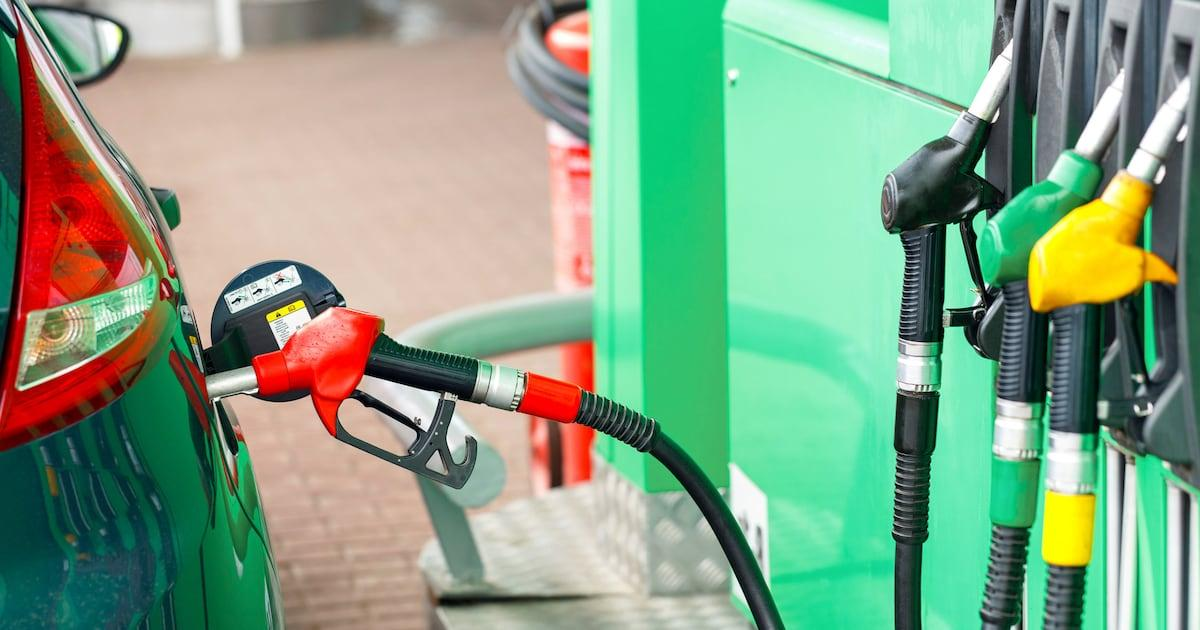
Why Fuel Prices Are Rising in South Africa
At the center of the latest fuel crisis is growing instability in global oil markets, largely linked to escalating tensions in the Middle East and disruptions surrounding the Strait of Hormuz — one of the world’s most critical oil shipping routes.
Oil prices surged above $110 per barrel in late April before retreating slightly below $100 following speculation around a possible ceasefire involving the United States and Iran. However, uncertainty remains high. According to reports, the International Energy Agency warned that the world is currently losing approximately 14 million barrels of oil per day due to the conflict, with any recovery in production expected to be gradual.
South Africa, which imports the majority of its fuel, remains extremely vulnerable to global oil shocks. As international crude prices rise, the local cost of petrol and diesel inevitably follows.
The rand-dollar exchange rate has also contributed to fuel volatility. Although the rand has shown some resilience recently, analysts say it has remained relatively range-bound, limiting the country’s ability to offset international oil price increases.
Consumers Already Feeling the Pain
The impact of soaring fuel prices is being felt across nearly every part of daily life.
Higher transport costs are driving up taxi fares, bus fares, logistics expenses, and food prices. Families already struggling with electricity tariff hikes, water costs, and inflation are now being forced to make even tougher financial decisions.
“Regardless of the global headwinds that are causing oil prices to skyrocket, South Africans are caught between a rock and a hard place, and this spells imminent disaster for households and for the country,” said Debt Rescue CEO Neil Roets.
Roets warned that the country is experiencing a much deeper cost-of-living emergency.
“The reality is that the latest petrol price disaster exposes the extent of a far deeper cost-of-living crisis, driven by the fuel price increases, higher electricity and water tariffs and ongoing food inflation, which has pushed people to the very limits of their financial resources. This is deeply concerning,” he said.
The pressure is already changing consumer behavior dramatically.
New data from Discovery Insure revealed that South African motorists purchased 35% less fuel in April compared to March following earlier price increases. Trips taken dropped by 10%, while total travel distance declined by 9%.
These figures highlight how rapidly consumers are adjusting their lifestyles in response to rising costs.
Agriculture and Food Prices Under Threat
One of the sectors facing the greatest risk is agriculture.
South Africa’s farming industry depends heavily on diesel-powered machinery for planting, irrigation, harvesting, and transportation. As diesel costs rise sharply, production expenses increase across the entire agricultural value chain.
According to Roets, this could have devastating consequences for lower-income consumers.
“The spiralling oil prices have triggered a severe economic impact in South Africa, creating a ‘cost of survival’ crisis for consumers and heavily taxing the agricultural sector. This is because fuel price hikes are raising production costs and driving up food prices,” he explained.
Absa AgriBusiness sector executive for agriculture, Loffie Brandt, also highlighted the risks facing producers during critical farming seasons.
“With petrol and diesel prices respectively climbing by around 15% and 40% per litre month-on-month in April, producers entering planting or harvesting season will face cost pressures as diesel consumption typically peaks during these times. Rising fuel prices also carry wider inflationary effects across the economy and may delay anticipated interest rate cuts,” Brandt said.
This means consumers may soon feel the effects not just at fuel stations, but also in supermarkets as food inflation accelerates.
The Temporary Fuel Levy Relief Explained
Government intervention has provided only limited relief so far.
National Treasury introduced a temporary fuel levy reprieve of R3.00 per litre to help soften the impact of rising fuel prices. However, that support is now being gradually withdrawn.
The levy relief will reportedly be reduced to R1.50 per litre for petrol and R1.96 per litre for diesel in June 2026 before being removed entirely in July.
This rollback is expected to push fuel prices even higher in the coming months.
According to Central Energy Fund (CEF) projections, petrol prices are already showing an under-recovery of between 82 and 84 cents per litre early in May. When combined with the return of fuel taxes, petrol prices could increase by as much as R2.38 per litre in June.
Current projections include:
- Petrol 93: increase of approximately R2.34 per litre
- Petrol 95: increase of approximately R2.38 per litre
- Diesel 0.05%: potential decrease of 51 cents per litre
- Diesel 0.005%: possible increase of 31 cents per litre
While diesel prices may stabilize slightly due to global oil recoveries, motorists are still expected to face substantial costs because of tax adjustments.
Inflation and Interest Rate Concerns
Economists warn that rising fuel prices could complicate South Africa’s inflation outlook and influence monetary policy decisions.
Fuel affects almost every sector of the economy. When transport and logistics costs rise, businesses often pass those expenses on to consumers. This contributes to broader inflation, reducing purchasing power and slowing economic activity.
“The upshot of this is that, as petrol and diesel prices increase, the likelihood of a rise in consumer price inflation and higher interest rates also increase. This does not bode well for already struggling households across the country,” Roets said.
South Africa’s economy has already been struggling with weak growth, high unemployment, and persistent financial inequality. Trade unions fear that sustained fuel increases could worsen social tensions and deepen hardship among working-class households.
Calls for Government Intervention Grow Louder
Trade unions and lobby groups are increasingly demanding stronger government intervention to shield consumers from ongoing fuel shocks.
The Congress of South African Trade Unions (Cosatu) described the latest increases as devastating for workers and commuters.
“This is a painful blow that millions of struggling workers and commuters, and an already stagnant economy stuck at anemic 1% growth simply cannot afford,” Cosatu said.
The union welcomed the temporary fuel levy extension but argued that additional support measures are necessary.
“The most important source of relief for workers, society and the economy, is to maintain the fuel levy relief whilst oil and fuel prices remain high. This is the most impactful and cost-effective solution to this global crisis,” Cosatu stated.
The organization also called for cheaper public transport options to help commuters manage escalating travel expenses.
How South Africans Are Adapting
Many households are already taking steps to cope with the rising cost of fuel.
Consumers are driving less, consolidating trips, using public transportation more frequently, and cutting discretionary spending. Some businesses are also adjusting delivery schedules and operating costs to reduce fuel consumption.
Financial experts are urging consumers to reassess budgets carefully during this period of economic uncertainty.
Neil Roets encouraged financially distressed individuals to seek professional debt counselling if necessary.
“My advice to those who cannot break free from their financial constraints is to seek help from a registered debt counsellor who can assist them to manage their financial predicament,” he said.
What Happens Next?
The outlook for fuel prices remains highly uncertain.
Much will depend on whether geopolitical tensions in the Middle East ease, whether the Strait of Hormuz reopens fully, and how global oil markets respond over the coming weeks.
If crude oil prices stabilize and the rand strengthens, South Africans could eventually see some relief. However, the planned removal of fuel levy relief and broader inflationary pressures mean that fuel costs are likely to remain elevated in the near term.
For millions of South Africans, the fuel crisis is no longer just an economic issue — it has become a daily struggle affecting transport, food security, employment, and overall quality of life.
As the country braces for further increases, the debate over government support, energy policy, and economic resilience is expected to intensify in the months ahead.


