

South Africa’s Dirty Diesel Crisis Deepens as Tourists and Drivers Face Rising Fuel Risks
South Africa is facing growing concern over the spread of adulterated diesel — commonly known as “dirty diesel” — as authorities, economists, and fuel industry experts warn that contaminated fuel is becoming increasingly common across the country. The issue is now affecting not only everyday motorists but also self-drive tourists traveling along some of South Africa’s most famous scenic routes.
The warning comes amid surging fuel prices, geopolitical instability in the Middle East, and mounting evidence that illegal fuel blending operations are expanding nationwide. Experts say criminals and unscrupulous fuel retailers are mixing diesel with cheaper substances such as paraffin, kerosene, industrial solvents, and lubricating oil to maximize profits while exposing motorists to severe mechanical damage.
For travelers exploring destinations such as the Garden Route, Panorama Route, and Kruger National Park, the problem has become more than a financial inconvenience. Industry observers say contaminated fuel now poses a direct threat to road safety, tourism confidence, and vehicle reliability across South Africa.
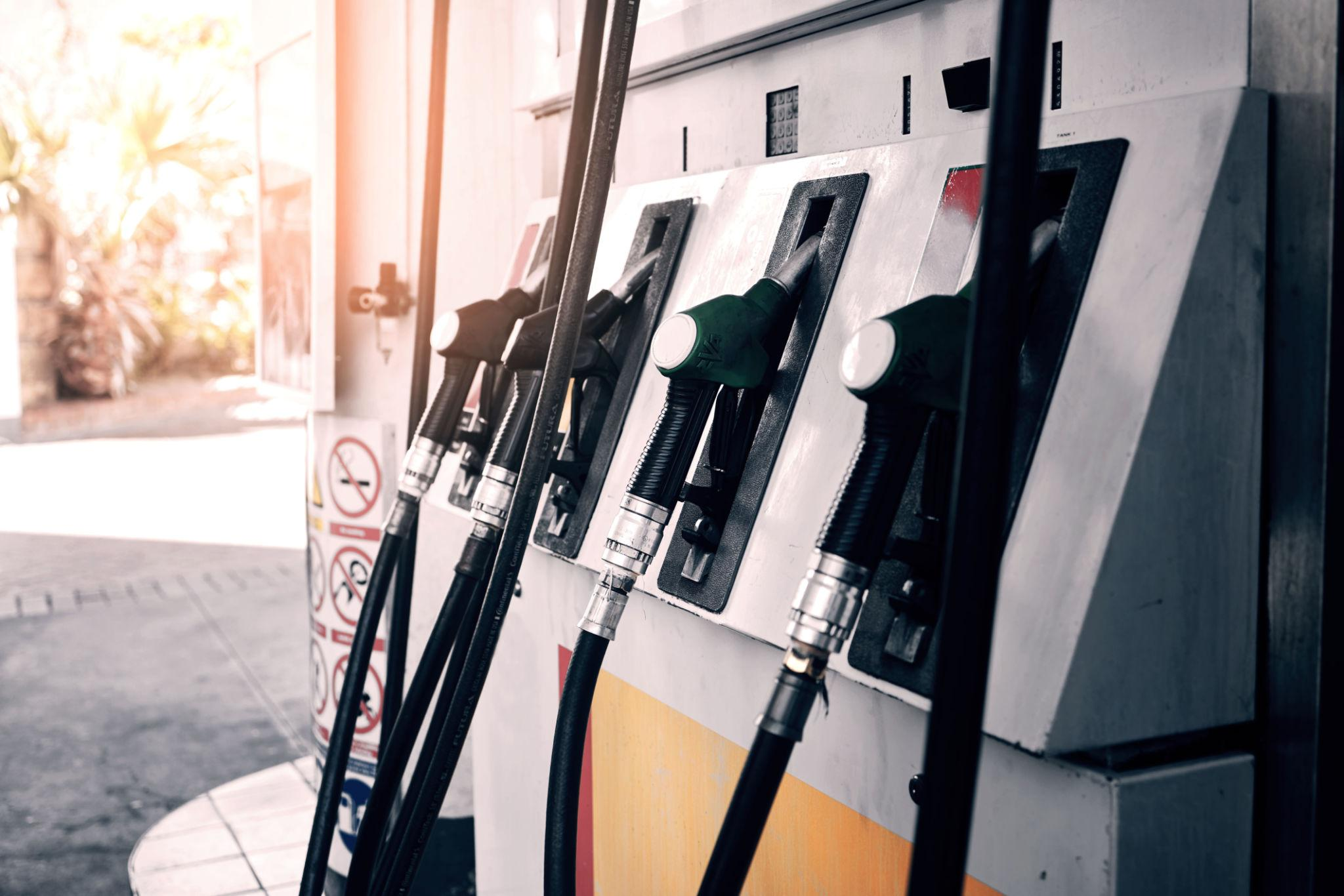
What Is Dirty Diesel?
Dirty diesel refers to diesel fuel that has been illegally diluted with lower-cost hydrocarbons. According to industry experts, the most common additive is paraffin because it is widely available and significantly cheaper than diesel due to South Africa’s fuel tax structure.
Unlike transport fuels, paraffin is not subjected to the same taxes and levies, making it an attractive option for illegal blending operations. Fuel suppliers can dilute diesel while still selling it at near-market prices, pocketing substantial profits in the process.
Economist Sifiso Skenjana from ESG Analytics said rising diesel prices have created powerful incentives for fuel adulteration.
“This is opening the window for illicit trade because people are finding ways to mix the diesel with other fuels to make dirty diesel.”
Skenjana explained that South Africa’s unregulated diesel retail pricing structure has contributed to the spread of illegal blending operations.
Why the Problem Is Getting Worse
Several factors are accelerating the dirty diesel crisis in South Africa.
The first is the continued rise in global oil prices. Tensions and conflict in the Middle East have placed upward pressure on energy markets worldwide, pushing diesel prices higher across South Africa. As fuel becomes more expensive, motorists increasingly seek cheaper alternatives, creating opportunities for illegal sellers to market suspiciously discounted fuel.
At the same time, enforcement agencies are struggling to contain the spread of fuel adulteration networks.
Bidvest Protea Coin Chief Operating Officer Waal de Waal revealed that helicopter surveillance teams identified more than 100 suspected illicit fuel depots across several South African provinces in recent months.
“Mixing and blending have been around for years, but on a very small scale. But these days, it’s just getting out of hand,” De Waal said.
Authorities also face technical challenges. Paraffin sold in South Africa contains an identifying A1 marker intended to help regulators detect illegal fuel blending. However, experts say criminals have developed methods to remove these markers before mixing paraffin with diesel.
De Waal added that enforcement agencies, including SARS and the Department of Mineral Resources and Energy, often lack the equipment necessary to detect altered fuel effectively.
The Hidden Damage Inside Modern Diesel Engines
Modern diesel vehicles are engineered to operate using high-quality, clean-burning fuel. Contaminated diesel disrupts combustion and can severely damage critical engine components.
Automotive specialists warn that dirty diesel may lead to:
- Fuel injector blockages
- Fuel pump failure
- Excessive smoke emissions
- Rough idling
- Poor engine performance
- Difficult engine starting
- Increased maintenance costs
- Catastrophic engine failure
When paraffin or solvents are mixed into diesel, the fuel burns improperly. This incomplete combustion creates higher emissions, increases engine wear, and places additional stress on cylinders and pistons.
Industry experts also warn that engine repairs caused by contaminated fuel can be extremely expensive, particularly for newer diesel vehicles equipped with advanced fuel injection systems.
Tourist Routes Under Growing Scrutiny
The dirty diesel crisis has become especially concerning for South Africa’s tourism industry.
Self-drive tourism remains one of the country’s most popular travel segments, with international visitors frequently renting vehicles to explore coastal highways, wildlife reserves, and mountain routes independently. However, many of these scenic drives pass through remote regions where fuel quality oversight may be weaker.
Authorities and travel safety experts have highlighted several high-risk areas:
The Garden Route
Stretching from Mossel Bay to Storms River, the Garden Route is famous for its coastal scenery and small-town charm. However, travelers may encounter independent or lesser-regulated filling stations along the route where contaminated diesel has reportedly become more common.
The Panorama Route
Known for dramatic mountain passes and the Blyde River Canyon, the Panorama Route demands strong engine performance due to steep climbs and high-altitude driving. Fuel contamination in these conditions can significantly increase the risk of engine strain or breakdowns.
Kruger National Park Surroundings
Tourists traveling to and from Kruger National Park often rely on nearby fuel stations in rural towns. Several reports have flagged these regions as areas where motorists should remain cautious when refueling.
Warning Signs Drivers Should Never Ignore
Experts say motorists should monitor vehicle behavior closely after refueling. Several symptoms may indicate contaminated diesel:
| Symptom | Possible Cause | Potential Risk |
|---|---|---|
| Excessive smoke | Incomplete combustion | Engine wear and emissions damage |
| Reduced power | Clogged injectors | Difficulty on steep roads |
| Rough idling | Fuel inconsistency | Stalling in traffic |
| Difficult starting | Fuel contamination | Vehicle breakdowns |
| Unusual engine noise | Increased friction | Severe engine failure |
Travelers experiencing these warning signs are advised to stop driving and seek assistance immediately to prevent further mechanical damage.
Government and Industry Response
South African authorities have already begun intensifying monitoring and enforcement efforts.
A 2024 investigation conducted by the Department of Mineral Resources and Energy reportedly uncovered several petrol stations selling contaminated diesel across the country.
In addition, SARS enforcement operations in 2025 resulted in arrests and the seizure of approximately two million litres of fuel linked to illicit trading networks.
Industry organizations are now calling for:
- Stronger fuel quality inspections
- Enhanced monitoring systems
- Improved detection technology
- Tougher penalties for offenders
- Expanded surveillance of suspected fuel depots
Fuel industry leaders argue that without stricter enforcement, the dirty diesel market could continue growing as long as fuel price pressures remain elevated.
How Drivers Can Protect Themselves
Experts say motorists can reduce their risk exposure by following several practical precautions:
Use Major Fuel Brands
Drivers are encouraged to refuel at reputable stations such as Sasol, Shell, BP, and Engen, where quality control procedures are typically stricter.
Avoid Fuel That Looks Too Cheap
Prices significantly below market averages may indicate fuel adulteration. Experts warn that short-term savings can quickly lead to major repair bills.
Keep Fuel Receipts
Receipts can become critical evidence if motorists later need to file insurance claims or report contaminated fuel.
Watch Vehicle Performance Carefully
Drivers should pay attention to any unusual engine behavior immediately after refueling.
Ensure Roadside Assistance Coverage
For tourists and long-distance travelers, comprehensive roadside assistance can help minimize disruption if breakdowns occur in remote areas.
A Growing Threat to South Africa’s Road Economy
The dirty diesel problem extends far beyond private motorists.
Logistics companies, tourism operators, rental agencies, and long-haul transport businesses all face rising operational risks as fuel adulteration spreads. Vehicle downtime, repair costs, delayed deliveries, and reputational damage could place additional pressure on sectors already coping with high fuel expenses and economic uncertainty.
At the same time, South Africa remains one of Africa’s premier self-drive tourism destinations. Industry analysts believe that maintaining traveler confidence will require visible enforcement action and stronger fuel quality regulation in the months ahead.
For now, vigilance has become an essential part of road travel in South Africa. As fuel prices continue to climb and illicit fuel networks expand, motorists are being reminded that choosing where to refuel may now be just as important as choosing where to travel.


