Antarctic Sea Ice Collapse: The Warning Signal Reshaping Earth’s Climate Future
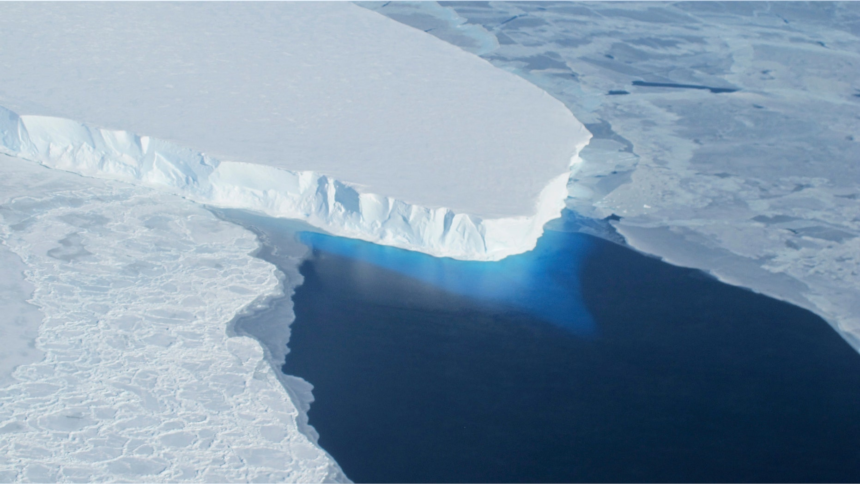
For decades, Antarctica appeared to defy the broader narrative of climate change. While Arctic sea ice steadily declined, the frozen waters surrounding Earth’s southernmost continent remained comparatively stable and even expanded slightly between 1979 and 2015. Scientists believed Antarctica’s sea ice system was unusually resilient.
- The Mystery Behind Antarctica’s Sudden Shift
- The Three-Stage Breakdown of Antarctic Sea Ice
- East Antarctica and West Antarctica Are Melting Differently
- Why Antarctic Sea Ice Matters to the Entire Planet
- The Ecological Collapse Beneath the Ice
- Scientists Fear Antarctica May Have Crossed a Tipping Point
- Tourism and Human Pressure Are Increasing
- A Defining Climate Warning
That confidence has now collapsed alongside the ice itself.
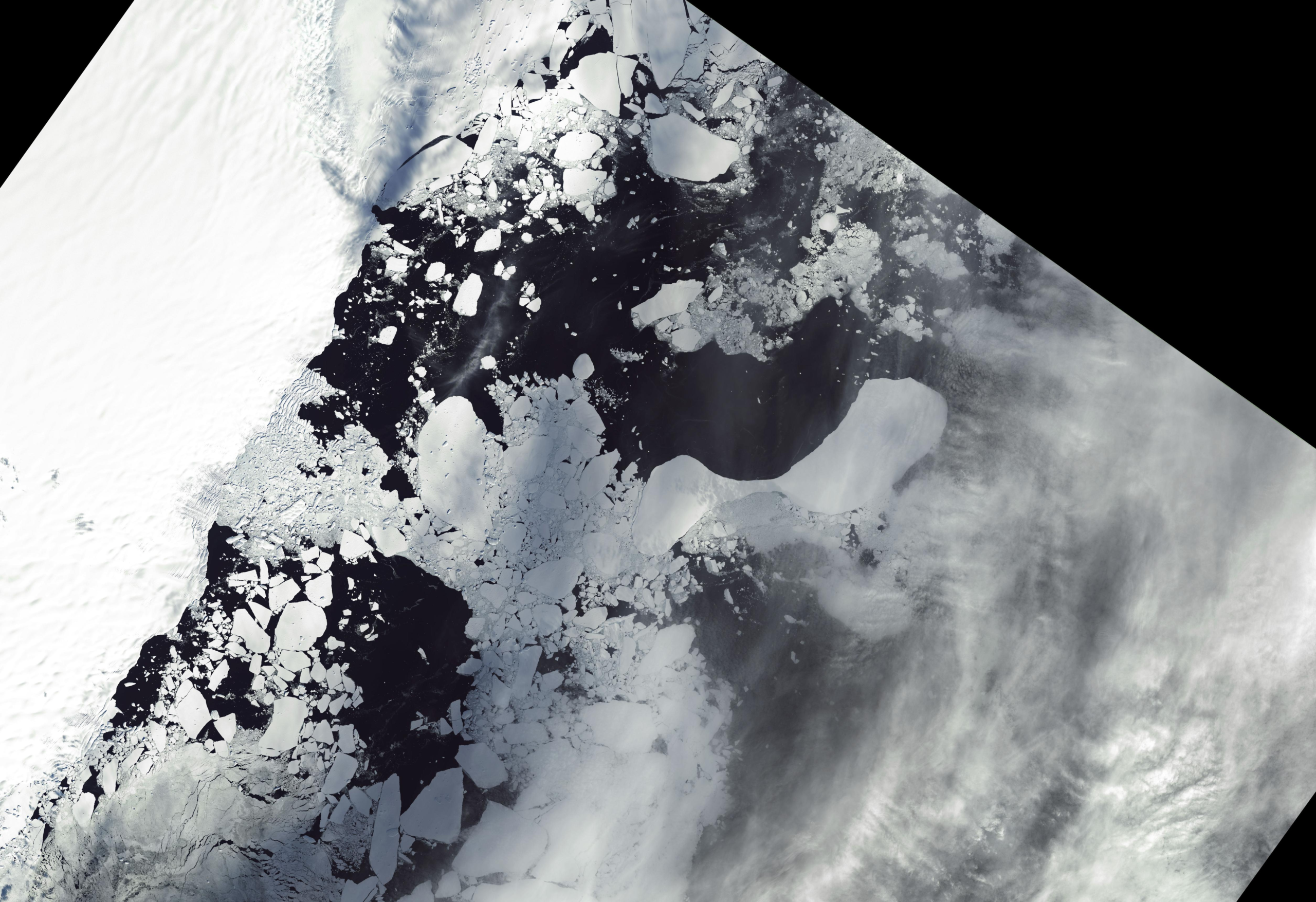
Since 2015, Antarctic sea ice has entered a dramatic and unprecedented decline, culminating in record lows in 2023. Researchers now say they finally understand why. The answer is not a single catastrophic event, but rather a chain reaction involving warming oceans, intensifying winds, atmospheric shifts, and self-reinforcing climate feedback loops that have pushed the Southern Ocean into dangerous new territory.
The findings, published in Science Advances by researchers from the University of Southampton, are reshaping scientific understanding of how quickly Antarctic systems can change — and what those changes could mean for the rest of the planet.


The Mystery Behind Antarctica’s Sudden Shift
For years, Antarctic sea ice followed a pattern scientists thought they understood. Each winter, ice spread outward across the Southern Ocean. During summer, it retreated. Despite global warming, the overall trend remained relatively stable for decades.


Then, around 2015, the system abruptly flipped.
Sea ice stopped recovering. Each year brought deeper losses. By 2023, Antarctic sea ice had fallen to the lowest levels ever recorded. Researchers described the decline as so extreme that the missing ice area was roughly equivalent to the size of Greenland.
According to lead author Dr. Aditya Narayanan, the collapse unfolded through a cascading sequence of interconnected processes rather than a single trigger.
“Antarctic sea ice in the Southern Ocean helps drive the planet’s ocean overturning circulation,” Dr. Narayanan explained. “However, since 2015, the region has undergone a huge transformation, with extreme ice loss around the continent.”


The Three-Stage Breakdown of Antarctic Sea Ice
Stage One: Stronger Winds Begin Pulling Up Hidden Heat
The first phase began decades earlier.
Westerly winds surrounding Antarctica gradually intensified due to greenhouse gas emissions and the lingering effects of the ozone hole. Scientists say these stronger winds acted like giant pumps, dragging warm, salty water from the deep ocean upward toward the surface beneath Antarctic sea ice.
This deep water, known as Circumpolar Deep Water, stores large amounts of heat accumulated over long periods.
Initially, the surface ocean remained cold enough for sea ice to form normally. But underneath, heat was steadily building.
Researchers say this slow accumulation continued largely unnoticed for years.
Stage Two: A Violent Mixing Event Around 2015
The second phase arrived suddenly.
Around 2015, unusually powerful winds caused intense mixing between the deep ocean and surface layers. Warm water that had been trapped below broke through to the upper ocean.
The result was rapid melting.
“What started as a slow build-up of deep-sea heat under the Antarctic sea ice was followed by a violent mixing of water, ending in a vicious cycle where it’s too warm to let ice recover,” Dr. Narayanan said.
This warm water also increased surface salinity, making the ocean denser and easier to mix further. Scientists say the Southern Ocean effectively became destabilized from within.
Stage Three: A Self-Reinforcing Climate Feedback Loop
Since roughly 2018, Antarctica’s sea ice system appears trapped in a feedback cycle.
Normally, melting sea ice releases freshwater into the ocean surface, helping maintain stable layering that limits mixing with warmer deep waters. But as less sea ice formed, less freshwater entered the system.
That left the surface saltier and denser.
Saltier water mixes more easily with the warmer layers below, allowing even more deep heat to rise upward and melt additional ice.
Scientists now warn that this cycle may prevent Antarctic sea ice from recovering for years — or even decades.
East Antarctica and West Antarctica Are Melting Differently
One of the most important findings from the research is that Antarctica’s two major regions are not melting in exactly the same way.
East Antarctica: Ocean Heat From Below
In East Antarctica, the primary driver is rising warm ocean water.
Heat from the deep ocean is eroding sea ice from underneath. As ice disappears, darker ocean water absorbs more solar energy instead of reflecting it back into space.
This process accelerates warming further.
West Antarctica: Heat From the Atmosphere Above
In West Antarctica, atmospheric conditions appear more influential.
Researchers found that warm, moist air masses moving from subtropical regions carried persistent cloud cover into the area during major melt years, including 2016 and 2019.
Clouds trap heat efficiently in polar regions, warming the ocean surface and contributing to ice loss from above rather than below.
The result is a continent experiencing multiple climate stressors simultaneously.
Why Antarctic Sea Ice Matters to the Entire Planet
At first glance, Antarctica can feel remote and disconnected from daily life elsewhere in the world. Scientists stress that this perception is dangerously misleading.
Antarctic sea ice plays a central role in regulating Earth’s climate.
Earth’s Reflective Shield
Sea ice functions like a massive mirror.
Its bright surface reflects up to 80 percent of incoming sunlight back into space, helping cool the planet.
When that ice disappears, darker ocean water absorbs heat instead, intensifying global warming.
“This isn’t just a regional problem,” said study co-author Dr. Alessandro Silvano. “Antarctic sea ice acts as Earth’s mirror, reflecting solar radiation back into space.”
Threats to Ocean Circulation
Scientists are especially concerned about the impact on global ocean circulation systems.
The Southern Ocean helps drive the planet’s “overturning circulation,” a network of currents that distributes heat and carbon around Earth. Massive freshwater input from melting Antarctic ice could disrupt these currents, including systems linked to the Atlantic Meridional Overturning Circulation (AMOC).
A weakened circulation system could alter rainfall patterns, intensify storms, shift temperatures across continents, and raise sea levels along vulnerable coastlines.
Rising Seas and Ice Shelf Instability
Sea ice loss also exposes Antarctica’s ice shelves to warmer ocean water and stronger wave action.
Ice shelves themselves do not directly raise sea levels when they melt because they already float. However, they act as barriers slowing glaciers on land from sliding into the ocean.
If those shelves collapse, inland glaciers can accelerate into the sea, contributing significantly to global sea-level rise.
Scientists estimate that every centimeter of sea-level rise exposes around six million people to increased coastal flooding risks.
The Ecological Collapse Beneath the Ice
The crisis extends beyond climate systems.
Antarctic sea ice supports one of the world’s most fragile and interconnected ecosystems.
Algae grow beneath the ice, forming the base of the Southern Ocean food web. Krill feed on this algae and use sea ice for shelter. Penguins, seals, whales, and numerous marine species depend on krill populations for survival.
As sea ice shrinks, algae growth declines, threatening the entire ecosystem above it.
Researchers have already linked low sea ice conditions to mass drownings of emperor penguin chicks and broader ecological instability across Antarctica.
Scientists Fear Antarctica May Have Crossed a Tipping Point
Perhaps the most alarming aspect of the research is the suggestion that Antarctica may now be operating under a fundamentally different climate regime.
Some researchers fear the continent has crossed a tipping point.
“If the low sea-ice coverage prevails into 2030 and beyond, the ocean may transition from a stabilizer of the world’s climate to a powerful new driver of global warming,” warned Professor Alberto Naveira Garabato from the University of Southampton.
That possibility has intensified concern because many climate models failed to predict how quickly Antarctic sea ice would collapse.
Scientists now believe environmental systems may respond to warming faster and more abruptly than previously expected.
Tourism and Human Pressure Are Increasing
Ironically, Antarctica’s growing instability is attracting more visitors.
The International Association of Antarctica Tour Operators reported approximately 122,000 visitors to Antarctica in 2024, up dramatically from around 44,000 in 2017. Researchers estimate annual tourism could surpass 450,000 visitors by 2033.
Environmental groups warn that expanding tourism increases risks including contamination, invasive species, and disease outbreaks in an ecosystem already under severe stress.
A Defining Climate Warning
The collapse of Antarctic sea ice is no longer viewed as a temporary anomaly.
Instead, scientists increasingly see it as a warning signal of how climate systems can shift rapidly once critical thresholds are crossed.
“It’s concerning because massive loss of sea ice destabilizes the world’s ocean current systems, warming our planet far quicker than expected,” Dr. Narayanan said.
What happens in Antarctica will not stay in Antarctica.
The Southern Ocean helps regulate temperatures, weather systems, sea levels, and ecosystems around the globe. As researchers continue studying the continent’s accelerating transformation, one conclusion is becoming unavoidable: the future of Antarctic sea ice may shape the future stability of Earth’s climate itself.