Met Gala 2026: When Fashion Became Art — Inside the “Costume Art” Revolution
A Night Where Couture Crossed Into Fine Art
On May 4, 2026, the Met Gala once again transformed New York’s Metropolitan Museum of Art into the epicenter of global fashion. But this year, the event was not merely about glamour—it marked a decisive shift in how fashion is understood, presented, and celebrated.
- A Night Where Couture Crossed Into Fine Art
- The Theme Explained: “Costume Art” and the Rise of Fashion as Fine Art
- Anna Wintour and the Cultural Engine Behind the Met Gala
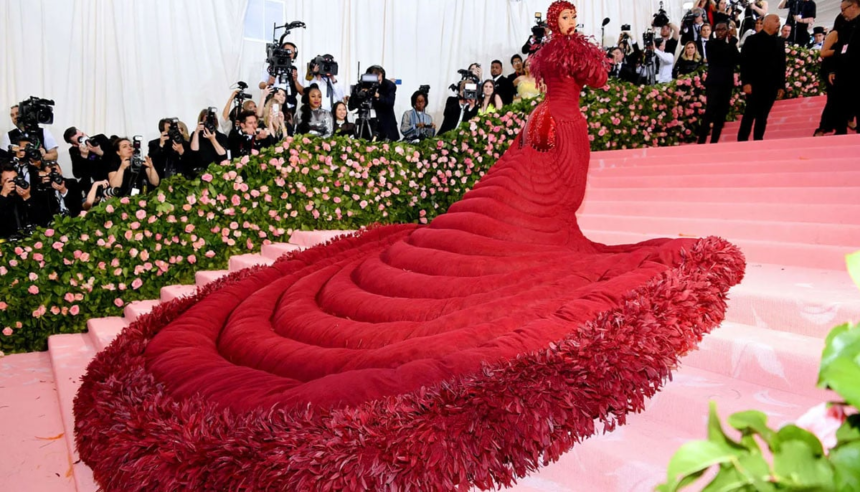
- Red Carpet as Exhibition: The Most Defining Looks
- A Broader Cultural Shift: Why 2026 Matters
- The Met Gala’s Enduring Influence on Fashion and Culture
- Conclusion: When the Red Carpet Became a Gallery
Under the official theme “Costume Art” and dress code “Fashion Is Art,” the 2026 Met Gala invited attendees to blur the line between clothing and artistic expression. The result was one of the most visually ambitious and conceptually rich editions in the event’s history.
From sculptural gowns to performance-based ensembles, the red carpet became less a runway and more a curated exhibition—one that reflected a deeper conversation about identity, the body, and the evolving role of fashion in cultural discourse.


The Theme Explained: “Costume Art” and the Rise of Fashion as Fine Art
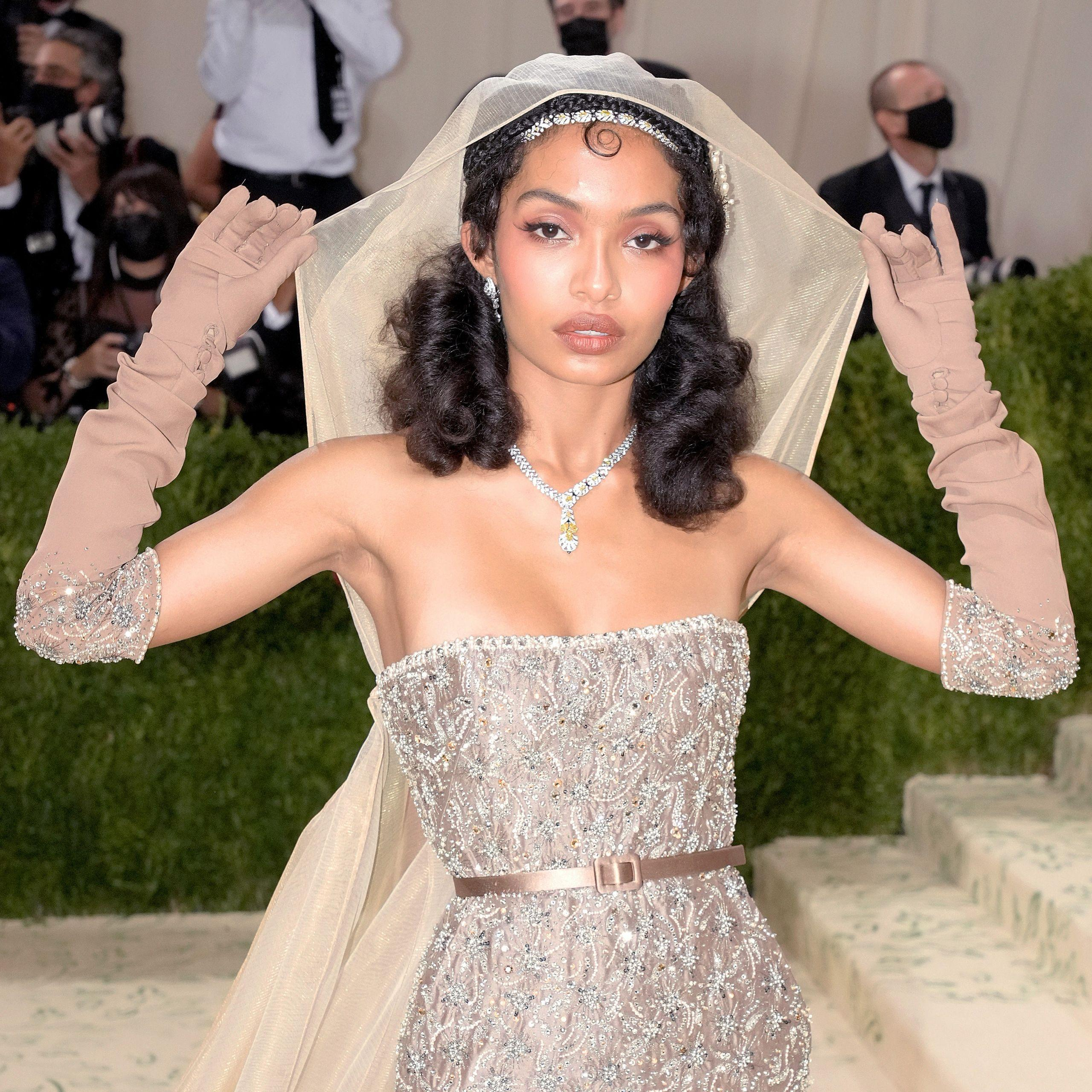
Unlike previous Met Gala themes that focused on specific designers or historical periods, “Costume Art” offered a broad conceptual framework. It explored the human body as both subject and medium across 5,000 years of art history, linking fashion to sculpture, painting, and anatomical studies.
The accompanying exhibition—opening May 10, 2026—features nearly 400 objects and is housed in the newly unveiled 12,000-square-foot Condé M. Nast Galleries, signaling a major institutional investment in fashion as a legitimate artistic discipline.



Curator Andrew Bolton captured the significance of this shift:
“The opening of the new Galleries will mark a pivotal moment for the department, one that acknowledges the critical role that fashion plays not only within art history but also within contemporary culture.”
The dress code, “Fashion Is Art,” pushed attendees beyond literal interpretations. Instead, it encouraged them to treat the body as a canvas—resulting in designs that mimicked marble statues, anatomical diagrams, and even abstract concepts like time and mortality.
Anna Wintour and the Cultural Engine Behind the Met Gala
No discussion of the Met Gala is complete without Anna Wintour, the Global Editorial Director of Vogue and the figure who has overseen the event since 1995.
As co-chair alongside Beyoncé, Nicole Kidman, and Venus Williams, Wintour once again steered the gala’s creative and cultural direction.


The Met Gala remains more than a red carpet spectacle—it is a fundraising cornerstone for the Costume Institute and a powerful platform where fashion, celebrity, and institutional art converge.
Her continued leadership ensures the event’s dual identity: a high-society fundraiser and a global cultural moment that shapes fashion narratives for years to come.
Red Carpet as Exhibition: The Most Defining Looks
Beyoncé’s Return: A Symbolic Centerpiece
The night’s most talked-about moment was Beyoncé’s return after a decade, not only as an attendee but as a co-chair.
Her custom Olivier Rousteing design—featuring a crystal skeleton motif and a sweeping feathered cape—perfectly embodied the theme, merging anatomy with haute couture.
Accompanied by Jay-Z and daughter Blue Ivy, her appearance became both a fashion statement and a cultural moment.
Sculptural Fashion and Living Art
Many attendees embraced the theme by turning themselves into literal works of art:
- Heidi Klum arrived as a marble statue, crafted with foam and latex to mimic carved stone
- Kendall Jenner channeled classical sculpture with a gown inspired by the Winged Victory of Samothrace
- Lisa (Blackpink) wore a Robert Wun creation featuring 3D-printed replicas of her own arms
- Bad Bunny presented an aged version of himself, exploring the concept of time and the “aging body”
These interpretations extended beyond aesthetics—they engaged directly with the exhibition’s themes of identity, mortality, and the human form.
Performance Meets Fashion
For some, the Met Gala became a stage for performance art:
- Madonna arrived with a ship-shaped headpiece and theatrical entourage, turning her entrance into a surreal spectacle
- Sabrina Carpenter wore a Dior gown constructed from actual film strips, transforming cinema into couture
- Sarah Paulson used a dollar-bill blindfold to critique wealth and visibility on the red carpet
These looks underscored a key takeaway: fashion at the 2026 Met Gala was not just worn—it was performed, interpreted, and debated.
A Broader Cultural Shift: Why 2026 Matters
The 2026 Met Gala may be remembered as a turning point in how institutions treat fashion.
Traditionally viewed as decorative or commercial, fashion is now being framed as a critical artistic practice—one that reflects societal values, body politics, and historical narratives.
The exhibition’s structure—organized around themes such as the “Naked Body,” “Aging Body,” and “Mortal Body”—signals a more inclusive and intellectually rigorous approach to fashion curation.
This shift has broader implications:
- Museums may increasingly integrate fashion into core exhibitions
- Designers gain recognition as artists, not just creators of garments
- The body becomes central to artistic storytelling
The Met Gala’s Enduring Influence on Fashion and Culture
Beyond its exclusivity, the Met Gala continues to shape global fashion trends and conversations.
Designers use the platform to experiment with bold ideas, while celebrities transform the red carpet into a stage for identity, commentary, and spectacle.
In 2026, that influence reached new heights. The theme’s open-ended nature resulted in one of the most diverse visual displays in recent memory—ranging from minimalist elegance to avant-garde extremes.
Conclusion: When the Red Carpet Became a Gallery
The Met Gala 2026 was more than a glamorous evening—it was a declaration.
With “Costume Art” as its guiding concept, the event redefined the relationship between fashion and art, positioning clothing as a powerful medium of expression and cultural commentary.
As institutions like The Met continue to invest in fashion’s artistic legitimacy, the ripple effects of this year’s gala are likely to extend far beyond the red carpet—reshaping how we view design, identity, and the very concept of art itself.