

Inside the World of Aircraft “Taxi”: Why Airlines Are Paying Pilots Just to Drive Planes
A Quiet but Critical Phase of Aviation
When most people hear the word “taxi,” they think of cars weaving through city streets. In aviation, however, taxiing refers to something equally essential but far less visible: the controlled movement of aircraft on the ground.
While it may appear routine, taxiing is a complex, high-stakes operation that directly affects airline efficiency, fuel costs, passenger connections, and even pilot workloads. Today, this often-overlooked phase of flight is gaining renewed attention—especially as airlines experiment with new ways to optimize it.
One of the most striking examples comes from British Airways, which is now offering pilots up to $100,000 a year to perform a single task: taxi aircraft between terminals at Chicago O’Hare International Airport.
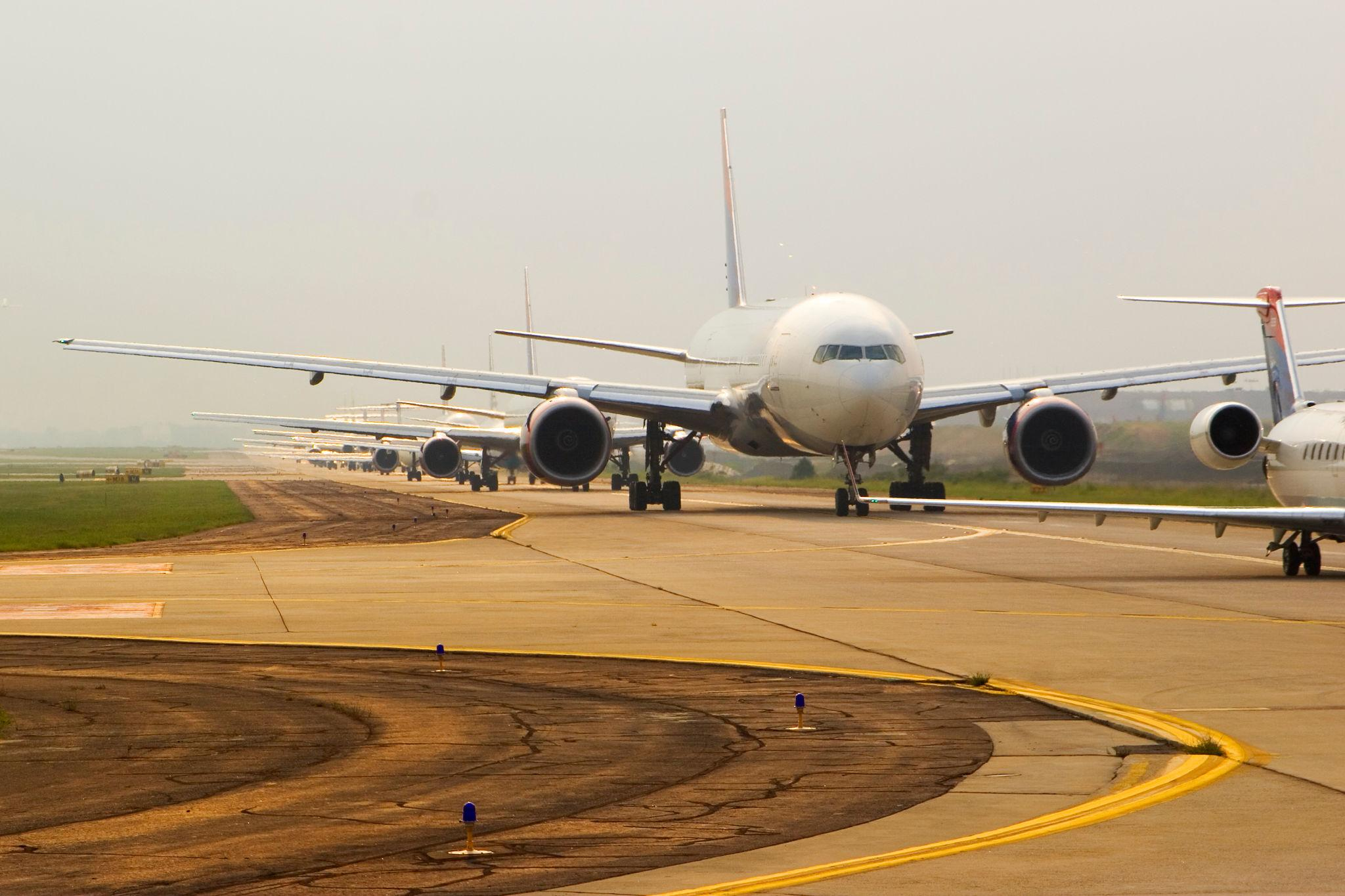
What Does “Taxi” Mean in Aviation?
In aviation, taxiing is the process of moving an aircraft on the ground under its own power—typically between the gate, runway, maintenance areas, or different terminals.
Unlike flight operations, taxiing requires:
- Constant communication with ground control
- Precise navigation through congested taxiways
- Strict adherence to safety protocols
- Careful engine management to minimize fuel burn
Even though the aircraft never leaves the ground, the responsibility remains firmly in the hands of trained pilots.
A Real-World Case: British Airways’ Taxi Crew Strategy
Why Taxiing Became a Strategic Priority
British Airways’ decision to create dedicated “taxi crew” roles highlights how important ground movement has become in modern aviation.
At Chicago O’Hare—one of the busiest airports in the world with over 70 million passengers annually—congestion is a persistent challenge. Aircraft frequently experience delays while navigating taxiways, especially during peak hours or adverse weather conditions.
To address this, the airline is recruiting experienced pilots to handle ground-only operations. These pilots are responsible for moving widebody aircraft such as the Boeing 777 and 787 between gates and runway holding points—but they do not participate in takeoff or landing.
The salary range for this role is between $90,000 and $100,000 annually, depending on experience and qualifications.
The Unique Challenge at Chicago O’Hare
A Two-Terminal Puzzle
What makes O’Hare particularly challenging is its operational layout:
- International arrivals land at Terminal 5, where customs facilities are located
- Departures, however, often occur from Terminal 3, due to partnerships with American Airlines
This means aircraft must be physically repositioned between terminals after passengers disembark.
Instead of moving passengers between terminals—which could lead to missed connections—it is more efficient to move the aircraft itself.
However, towing large aircraft like a Boeing 777 is not always practical. At O’Hare, using the aircraft’s own engines for taxiing is often safer and more efficient.
Why Airlines Are Investing in Taxi Operations
1. Reducing Delays and Improving Punctuality
Taxiing delays can account for a significant portion of total flight disruption time. By introducing specialized taxi crews, airlines can:
- Speed up aircraft repositioning
- Reduce turnaround times
- Improve on-time performance
British Airways explicitly states that taxi crew members will play a “critical role in helping achieve On Time Performance.”
2. Managing Pilot Workloads
Long-haul pilots often operate near their legal duty limits after flights that can exceed 12 hours.
If they are required to continue taxiing after landing—especially in congested conditions—they risk exceeding regulatory limits.
By handing off taxi responsibilities to dedicated crews, airlines can:
- Prevent pilot fatigue
- Avoid costly delays due to crew timeouts
- Improve overall operational efficiency
3. Fuel Efficiency and Cost Savings
Taxiing large aircraft consumes significant fuel—sometimes hundreds of kilograms per hour.
Optimizing taxi operations can:
- Reduce unnecessary engine use
- Lower fuel costs
- Cut carbon emissions
This aligns with broader industry efforts toward sustainability and operational efficiency.
4. Addressing Workforce Dynamics
The aviation industry continues to face a pilot shortage, particularly in North America.
Interestingly, taxi crew roles offer a niche solution:
- Ideal for semi-retired pilots who can no longer fly commercially
- Provides a stable, ground-based alternative
- Retains experienced personnel within the industry
Experts suggest these roles are not aimed at active, career-building pilots but rather those transitioning out of full-time flying.
How Taxiing Fits Into the Bigger Aviation Picture
From Traditional Roles to Specialization
Historically, pilots handled every phase of a flight—from pushback to landing. But increasing airport complexity is changing that model.
The introduction of taxi crews represents a shift toward:
- Operational specialization
- Division of responsibilities
- Increased efficiency in high-traffic environments
The Technology Factor
Advances in aviation technology are also reshaping taxi operations:
- Ground radar systems improve navigation accuracy
- Automation tools help standardize taxi procedures
- Experimental electric towing vehicles aim to reduce emissions
In the future, semi-autonomous taxiing systems could further reduce the need for human intervention—but for now, skilled pilots remain essential.
A Glimpse Into the Future of Taxi Operations
British Airways’ experiment may be just the beginning.
If successful, similar taxi crew models could expand to other major hubs such as:
- New York JFK
- Los Angeles (LAX)
- Other high-congestion international airports
However, industry experts believe this approach will likely remain a complementary function, rather than replacing traditional pilot roles entirely.
Conclusion: Why Taxiing Deserves More Attention
Taxiing may be one of the least visible aspects of aviation, but its impact is enormous.
From reducing delays and fuel consumption to reshaping pilot roles, the humble act of moving an aircraft on the ground is evolving into a strategic priority for airlines.
British Airways’ decision to pay pilots six-figure salaries just to taxi planes underscores a broader truth: in modern aviation, efficiency isn’t just about flying faster—it’s about optimizing every meter of movement, even before takeoff.


