Met Gala Theme 2026: When Fashion Became Living Art
A Cultural Turning Point on the Red Carpet
Each year, the Met Gala theme shapes not only what celebrities wear, but how fashion itself is interpreted. In 2026, the event took a decisive step beyond style and spectacle, embracing a deeper philosophical question: Can fashion truly be considered art?
With the theme “Costume Art” and the dress code “Fashion is Art,” the Met Gala transformed the iconic steps of New York’s Metropolitan Museum of Art into something closer to a curated exhibition than a traditional red carpet.
The result was not just another glamorous evening—it was a cultural statement that reframed how the world sees clothing, creativity, and the human body.
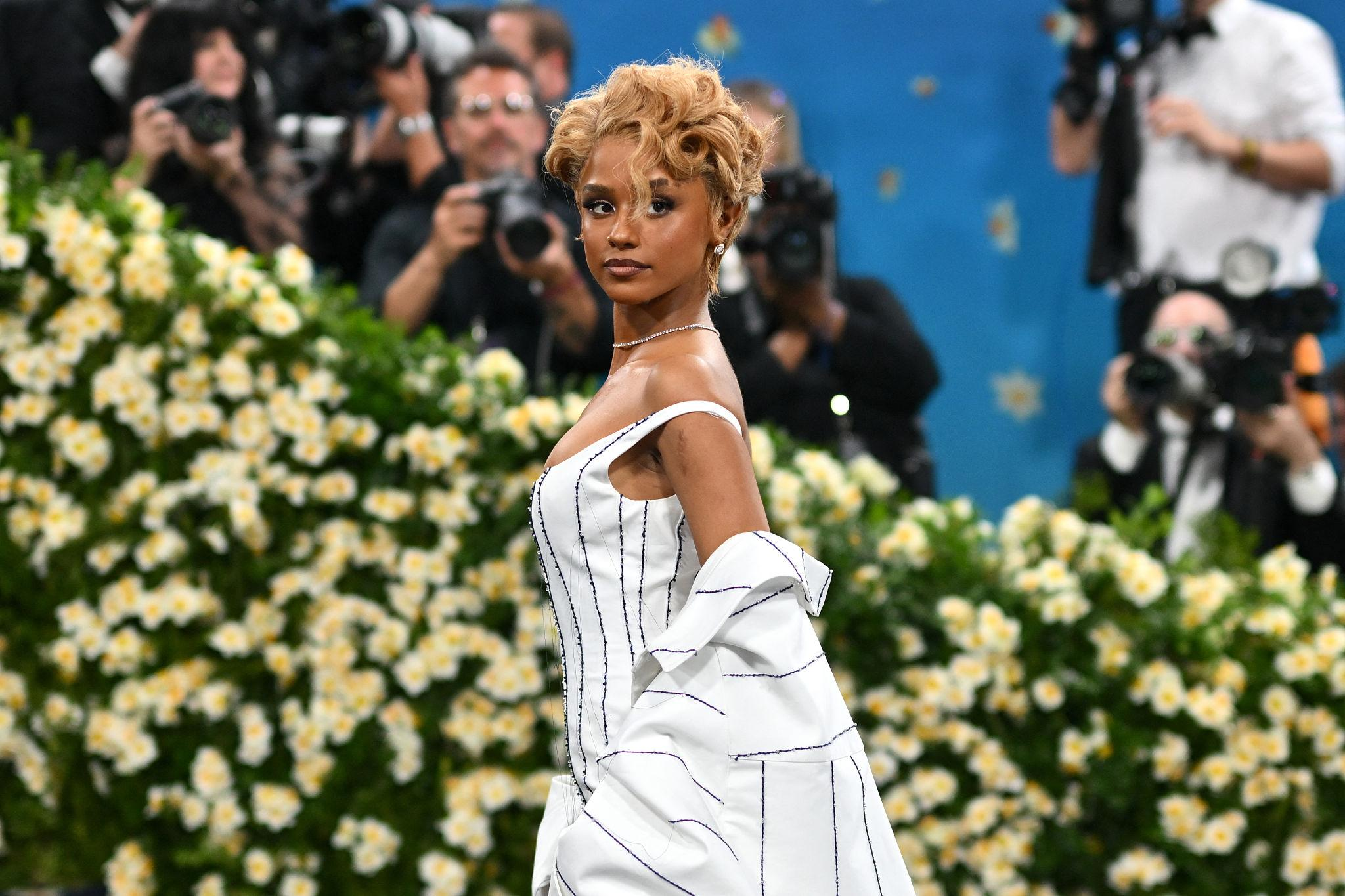
Understanding the Theme: “Costume Art” Explained
At its core, the 2026 Met Gala theme was designed to blur the boundaries between disciplines. The accompanying exhibition at the Costume Institute explores how garments interact with traditional art forms like painting, sculpture, and photography.
Nearly 400 objects are featured, pairing couture with fine art to illustrate a simple but powerful idea: fashion is not separate from art—it is one of its most expressive forms.
The official statement from the museum captures the intent clearly:
“The dress code is intentionally open-ended, inviting guests to express their own relationship to fashion as an embodied art form and celebrate the dressed body as a central artistic subject.”
Unlike more prescriptive themes in previous years, “Fashion is Art” gave attendees creative freedom. The expectation was not uniformity—but interpretation.
The Red Carpet as a Living Gallery
On May 4, 2026, approximately 400 A-list attendees ascended the Met steps, each effectively becoming a walking exhibit.
The visual language of the night leaned heavily into:
- Sculptural silhouettes that treated the body as a canvas
- Bold, museum-inspired color palettes
- Designs referencing historic artworks and artistic movements
Fashion critics anticipated—and received—looks inspired by figures such as Van Gogh and Picasso, alongside contemporary artistic influences.
The red carpet itself became a curated experience, where each outfit functioned as a narrative about art, identity, and craftsmanship.
Celebrity Interpretations: From Sculpture to Cinema
Kim Kardashian: Industrial Art Meets Couture
Kim Kardashian delivered one of the night’s most literal interpretations of the theme. Her sculptural copper “liquid metal” dress—created in collaboration with artist Allen Jones and Whitaker Malem Creative—captured the essence of wearable art.
Her look highlighted the intersection between fashion design and artistic production, reinforcing the idea that garments can exist as both clothing and sculpture.
Hudson Williams: Cinema as Artistic Influence
Not all interpretations leaned on traditional fine art. Actor Hudson Williams took a more conceptual route, drawing inspiration from cinema—specifically the film Black Swan.
His dramatic eye makeup, inspired by Natalie Portman’s transformation in the film, underscored a broader point: art is not limited to galleries. Film, performance, and storytelling all contribute to the artistic ecosystem.
By channeling a psychological drama into fashion, Williams demonstrated how the theme extended beyond visual arts into cultural expression.
The Power Players Behind the Night
The 2026 Met Gala was anchored by a high-profile group of co-chairs:
- Beyoncé, making her return after a decade
- Nicole Kidman
- Venus Williams
- Anna Wintour
Their presence elevated the event’s cultural weight, blending entertainment, sport, and fashion leadership into a single platform.
The gala also achieved a major financial milestone, raising a record $42 million for the Costume Institute—up from $31 million the previous year.
This underscores a key reality: the Met Gala is not just a cultural spectacle, but a critical funding engine for fashion scholarship and exhibitions.
Why This Theme Matters: Fashion’s Long-Awaited Validation
For decades, designers and stylists have argued that fashion deserves recognition alongside traditional art forms. The 2026 theme represents a formal acknowledgment of that claim.
By placing couture pieces in direct dialogue with museum masterpieces, the exhibition—and the gala—asserts that fashion requires:
- Technical mastery
- Creative vision
- Conceptual depth
The dressed body, in this context, becomes more than a vessel—it becomes the artwork itself.
The introduction of nine new mannequin forms representing diverse body types further expands the conversation, challenging long-standing norms about representation in both fashion and art.
A Night of Anticipation and Legacy
The return of Beyoncé after a decade added another layer of anticipation. Known for redefining fashion moments, her presence alone signaled that the evening would produce iconic imagery.
Similarly, figures like Rihanna—famous for her headline-making arrivals—were expected to push the boundaries of interpretation even further.
These moments are not fleeting. They shape fashion narratives, influence designers, and often set the tone for global style trends in the months that follow.
Conclusion: When the Line Between Fashion and Art Disappears
The 2026 Met Gala theme did more than inspire bold outfits—it redefined the conversation around fashion’s place in culture.
By positioning clothing as a legitimate artistic medium, the event challenged audiences to reconsider what art looks like—and where it exists.
On this night, art was not confined to gallery walls. It moved, posed, and evolved on the bodies of those who wore it.
And in doing so, the Met Gala once again proved that fashion, at its highest level, is not just about what we wear—it’s about what we express.