

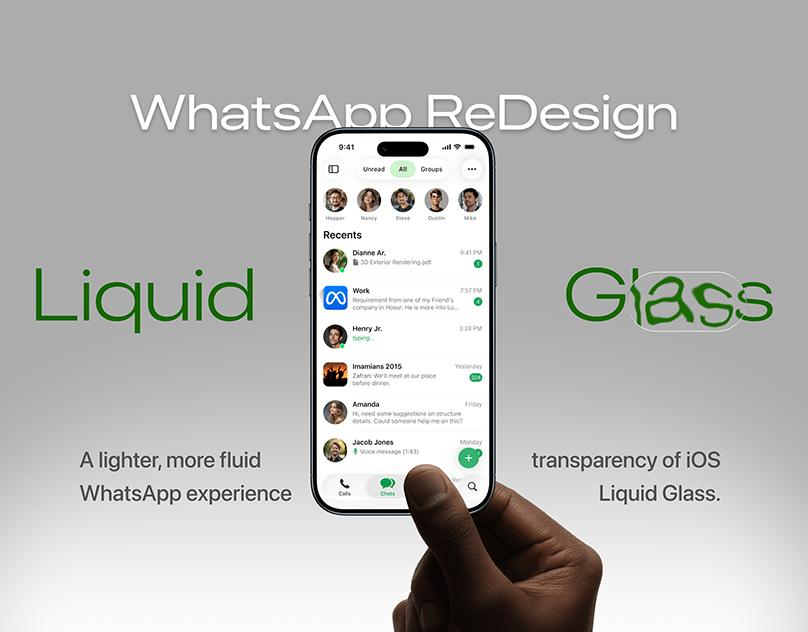
WhatsApp’s New Liquid Glass Design Leaks with Redesigned Chat Interface
A Deep Dive into the Future of Messaging UX
Introduction: A Subtle Leak with Major Implications
WhatsApp, the world’s most widely used messaging platform, appears to be preparing one of its most visually transformative updates yet. Recent leaks suggest that the app is extending its much-discussed “Liquid Glass” design language to the most critical part of the user experience—the chat interface itself.
While previous updates focused on peripheral elements, this redesign targets the screen users interact with most. The implications are significant: WhatsApp is not merely refreshing its aesthetics but potentially redefining how messaging apps feel and behave on modern smartphones.
The Evolution of WhatsApp’s Design Strategy
From Functional Minimalism to Visual Sophistication
For years, WhatsApp has maintained a utilitarian design philosophy—clean, efficient, but largely conservative. However, the rise of visually immersive interfaces, particularly within Apple’s ecosystem, has shifted user expectations.
The introduction of iOS 26’s Liquid Glass design language—characterized by translucency, depth, and dynamic reflections—has influenced multiple platforms. WhatsApp first began experimenting with this style in 2025, applying it to elements like the tab bar and parts of the Chats screen.
Yet, until now, the core messaging interface remained untouched.
What the Leak Reveals: A Redesigned Chat Experience
Floating Chat Bar Takes Center Stage
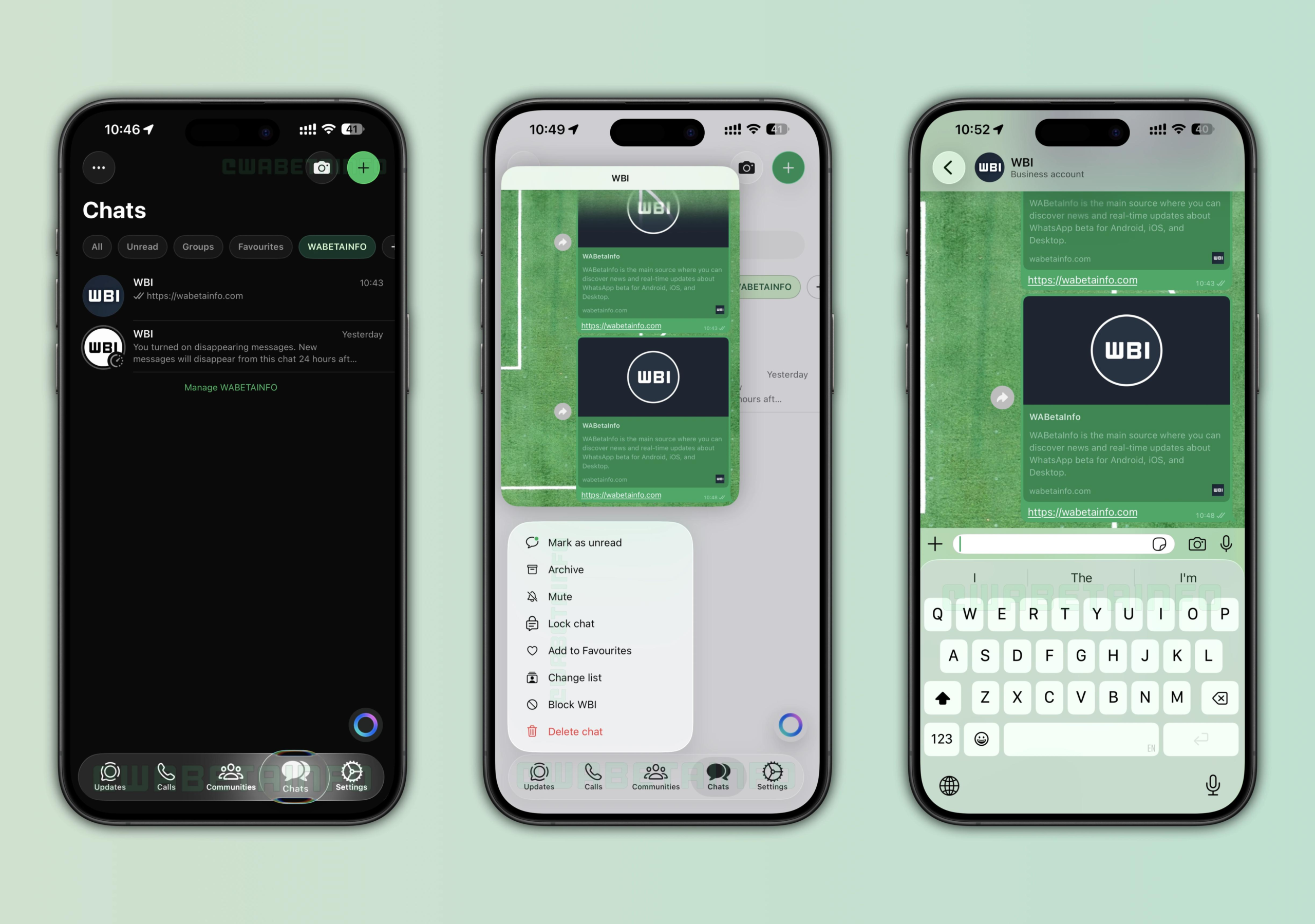
The most striking change lies in the chat bar, traditionally fixed at the bottom of the screen. In the leaked version:
- The chat bar now floats above the interface
- It features a translucent, frosted glass effect
- The background dynamically reflects the content behind it
This design creates a layered visual experience, giving the interface a sense of depth and responsiveness previously absent in WhatsApp.
Even smaller UI elements, such as the button used to jump to the latest message in a thread, are being redesigned to match the Liquid Glass aesthetic.
A Transparent Navigation Bar with Depth
At the top of the chat screen, the navigation bar is also undergoing a transformation:
- Solid backgrounds are replaced with transparent layers
- A soft fade effect allows wallpapers and messages to subtly show through
This approach aligns with broader design trends that prioritize immersion and visual continuity across the interface.
Why Most Users Haven’t Seen It Yet
A Rollout Still Hidden in Code
Despite the excitement surrounding the redesign, most users—even those on iOS 26—have not experienced the Liquid Glass interface.
According to reports:
- The feature has not yet reached beta testers
- It currently exists only within the app’s internal codebase
This suggests that WhatsApp is still in a controlled development phase, carefully refining the experience before public exposure.
A Deliberate Strategy, Not a Delay
WhatsApp’s cautious rollout appears intentional. Instead of releasing partial updates, the company is aiming for visual consistency across the entire app.
Evidence of this strategy includes:
- A frosted redesign of the voice note player earlier this year
- A partial Liquid Glass rollout in WhatsApp Business
These incremental updates indicate a broader plan: ensure that every element aligns with the new design language before launching it widely.
The Bigger Picture: Competing in a Design-Driven Era
UX as a Competitive Advantage
The shift toward Liquid Glass is not merely aesthetic—it reflects a deeper strategic pivot.
Modern users increasingly evaluate apps based on:
- Visual appeal
- Smoothness of interaction
- Integration with operating system design
By adopting a design language closely aligned with iOS 26, WhatsApp strengthens its position within Apple’s ecosystem while maintaining relevance against competitors like iMessage, Telegram, and Signal.
Risks of a Half-Finished Redesign
Interestingly, WhatsApp’s slow rollout may actually be a safeguard.
A partially implemented design could:
- Create visual inconsistencies
- Confuse users
- Undermine the app’s perceived quality
As noted in the leak, “A half-finished Liquid Glass rollout would look worse than none at all.”
What Happens Next?
Testing Phases and Expected Rollout
While no official release date has been announced, the likely rollout path includes:
- Internal testing (currently underway)
- Limited release to TestFlight beta testers
- Gradual expansion to broader user groups
This staged approach mirrors WhatsApp’s typical update cycle, especially for major UI changes.
Conclusion: A Redesign Worth the Wait
The leaked Liquid Glass redesign signals a pivotal moment for WhatsApp. By focusing on the chat interface—the heart of its user experience—the platform is embracing a more immersive, modern design philosophy.
Although the update remains unreleased, its direction is clear: WhatsApp is evolving from a purely functional messaging tool into a visually refined communication platform.
If executed correctly, this redesign could redefine daily interactions for billions of users worldwide—proving that even the most familiar apps can still surprise.


