


Are the TfL Strikes Going Ahead? What Londoners Need to Know This Week
A Question With a Clear Answer: Yes, the Strikes Are Proceeding
For commuters across London, the key question—are the TfL strikes going ahead?—has now been decisively answered. Industrial action on the London Underground is moving forward as planned, with multiple days of disruption expected across the network.
The strikes, led by the National Union of Rail, Maritime and Transport Workers (RMT), are set to impact services over several consecutive days, creating widespread travel challenges for passengers, businesses, and the wider economy.
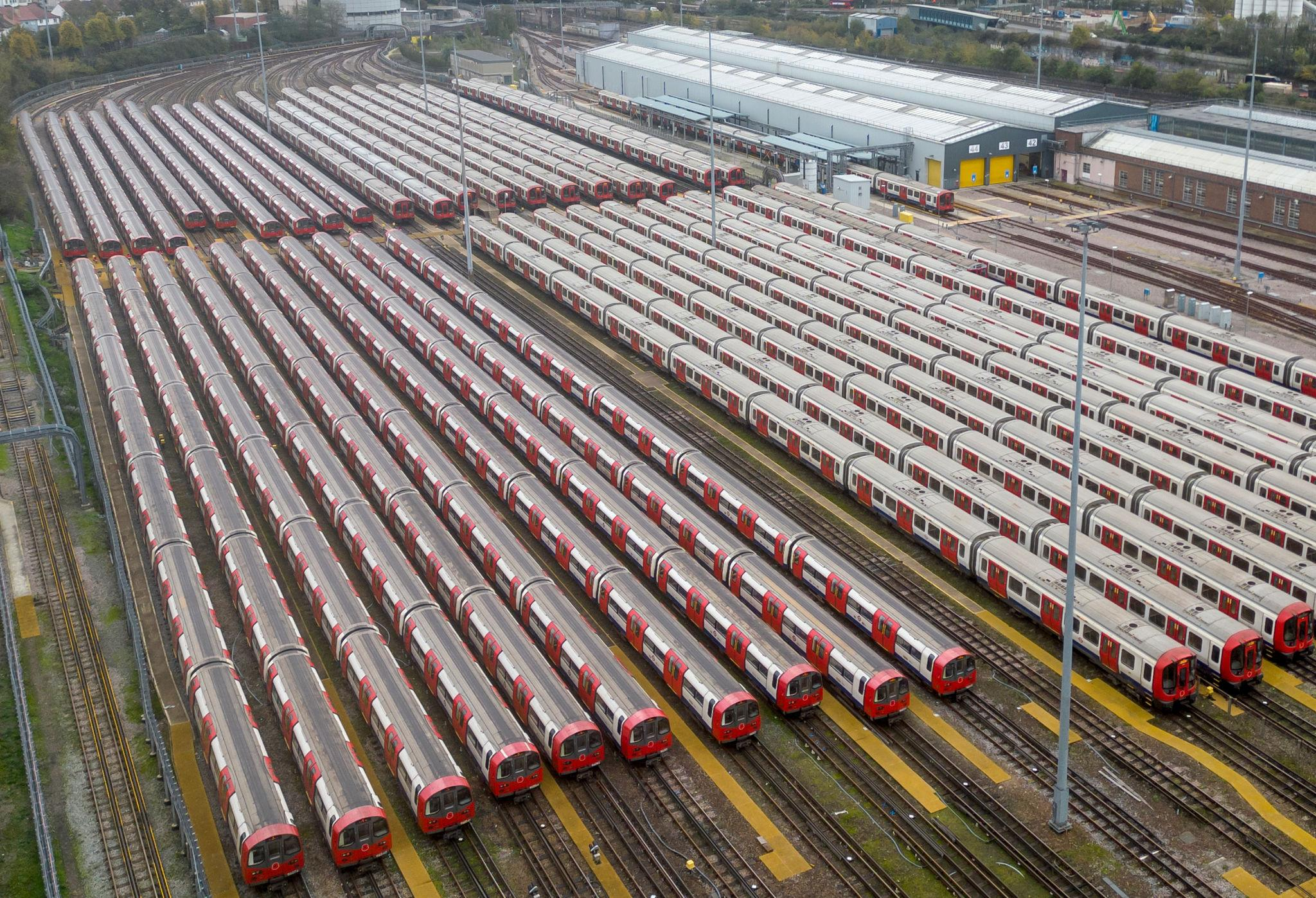
Strike Schedule and Scope of Disruption
The planned walkouts are structured in phases, but their impact extends well beyond the exact strike hours:
- Tuesday (April 21): Strike begins at midday, lasting 24 hours
- Thursday (April 23): Second 24-hour strike begins at midday
Because of the way Underground operations function, disruption is expected to spill over into adjacent days. In practical terms, this translates into at least four days of significant travel disruption.
Transport authorities have already indicated that most lines will operate with reduced service levels, while some will be severely affected or closed entirely.
Lines Expected to Be Hit Hardest
- Piccadilly line: Expected to shut down
- Circle line: Expected to shut down
- Metropolitan line: No service between Baker Street and Aldgate
- Central line: No service between White City and Aldgate
Other lines will run, but with reduced frequency and increased crowding.
Why Are Tube Workers Striking?
At the center of the dispute is a disagreement between the RMT and Transport for London over proposed working arrangements.
Key Issue: The Four-Day Working Week
- The RMT argues that proposed changes to working hours could increase fatigue and compromise safety.
- TfL rejects this claim, stating that:
- The changes are voluntary
- They would offer greater flexibility
- They include an additional day off for drivers
This disagreement has led to a breakdown in negotiations, with the union stating it approached talks “in good faith” but saw no meaningful concessions.
Political and Public Reaction
The strikes have triggered strong reactions across the political spectrum and among the public.
Criticism of the Strike Action
- Critics argue the RMT is holding London “hostage”
- Concerns have been raised about:
- Disruption to daily commuters
- Impact on tourism and retail
- Pressure on alternative transport systems
Some estimates suggest the disruption could cost the capital around £210 million, reflecting the scale of economic consequences.
Calls for Resolution
Sadiq Khan has urged both sides to return to negotiations and resolve the dispute without prolonged disruption.
Meanwhile, business leaders and political figures continue to press for a settlement, emphasizing the broader economic risks.
Divided Opinions
Not all voices oppose the strikes. Some political groups and labor advocates support the drivers’ concerns, emphasizing that working conditions and safety must be addressed through dialogue.
Real-Time Impact: What Passengers Are Already Seeing
Even before the full strike schedule unfolds, the network is showing signs of strain:
- Severe delays reported on parts of the system
- Reduced service reliability
- Increased congestion on operational lines
Passengers are being advised to:
- Check before traveling
- Allow extra time for journeys
- Consider alternative routes or transport modes
Other services—including buses, the Elizabeth line, and London Overground—are expected to be significantly busier than usual.
Wider Implications: Beyond the Commute
The TfL strikes are not just a transport issue—they have broader consequences:
Economic Impact
Retail, hospitality, and tourism sectors—especially in central London and the West End—are likely to experience reduced footfall.
Urban Mobility Pressure
With fewer trains running, pressure shifts to:
- Road networks
- Bus systems
- Cycling infrastructure
Long-Term Debate
The dispute reflects a deeper issue: how major cities balance:
- Workforce demands
- Operational efficiency
- Technological change (including automation)
What Happens Next?
At present, there is no indication that the strikes will be called off. Negotiations remain unresolved, and both sides appear firmly positioned.
The coming days will be critical:
- If talks resume, there is still a possibility of last-minute changes
- If not, London will experience continued disruption throughout the scheduled strike period
Conclusion
The situation is clear: TfL strikes are going ahead, and their impact will be significant. With multiple days of disruption already mapped out and no resolution in sight, commuters and businesses are preparing for a challenging week.
The dispute highlights ongoing tensions within urban transport systems—where operational demands, labor rights, and public expectations increasingly collide. For now, Londoners face a familiar but disruptive reality: navigating the city during a major Tube strike.


