


Spirit Airlines Flights: The Sudden Collapse That Grounded a Budget Travel Giant
A Shockwave Across the Skies
For decades, Spirit Airlines flights were synonymous with ultra-low-cost travel in the United States. Known for its no-frills approach and aggressive pricing, the airline built a loyal customer base among budget-conscious travelers. But in a stunning turn of events, Spirit Airlines abruptly ceased all operations early Saturday, bringing an end to 34 years in business and disrupting travel plans for thousands across the country.
The shutdown, which officially took effect at 3 a.m., left airports eerily quiet where Spirit counters once bustled with activity. Flights were canceled nationwide, customer service systems went dark, and passengers were told not to even come to the airport.
This was not just the cancellation of flights—it was the collapse of an entire airline ecosystem.
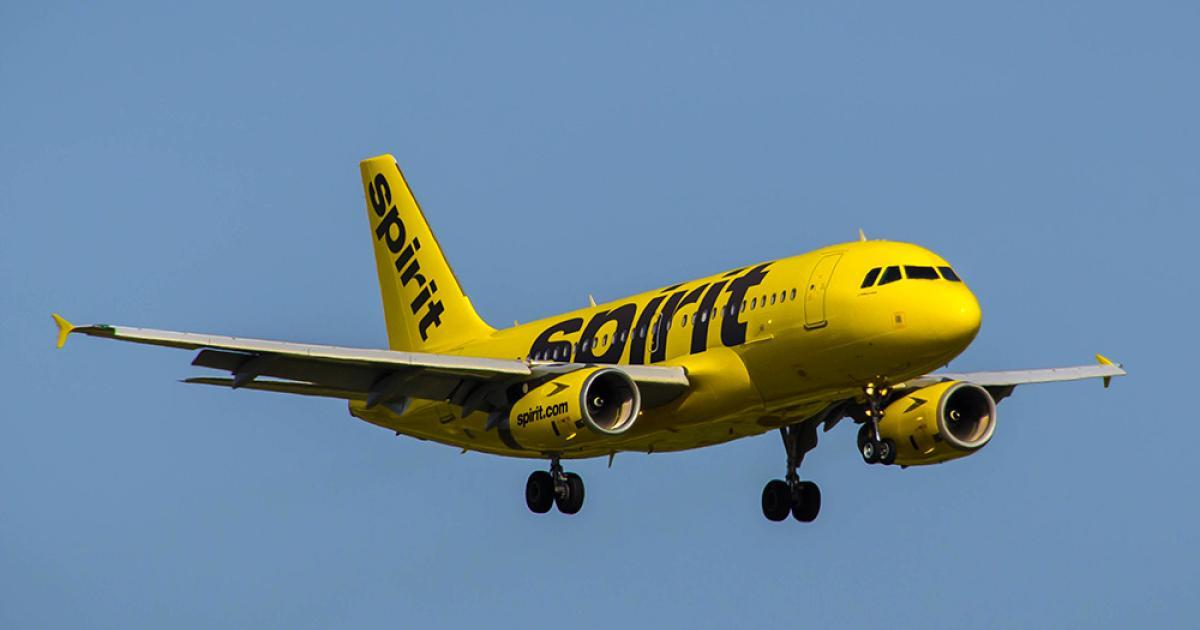
The Final Hours of Spirit Airlines Flights
The end came suddenly and without warning for most employees and passengers. Flight attendants were reportedly notified roughly an hour before the public announcement, leaving little time to prepare for the fallout.
“Almost 20,000 people in the middle of the night lost their jobs,” said Houston-based flight attendant Jazmah Bell.
Employees described a sense of disbelief. Many had been reassured just hours earlier that operations were continuing as normal.
“Until late last night, management and scheduling were telling us operations were fine,” Bell said. “We were ultimately thinking everything was going to go through, continue business as normal — and then, boom.”
At airports across the country—from Houston to Los Angeles to Detroit—passengers discovered the reality in real time: every Spirit Airlines flight was grounded.
Passengers Left Stranded Nationwide
The immediate impact was chaos for travelers. Families on vacation, business travelers, and international passengers found themselves stranded with no clear path home.
At Los Angeles International Airport, one traveler summed up the confusion:
“My reaction was, ‘Oh my God. What am I going to do now? And why didn’t they forewarn us before just completely shutting down?’”
Others faced significant financial losses. One family reported losing more than $8,000 in non-refundable travel expenses after their Spirit flight was canceled.
In Detroit, a family that had planned to fly home instead chose to rent a car and drive across multiple states, turning a disrupted trip into an unexpected road journey.
The airline’s abrupt closure blindsided customers, many of whom had no backup plans.
Employees Caught in the Collapse
The shutdown affected approximately 17,000 employees nationwide, including pilots, flight attendants, ground staff, and corporate workers.
For many, the emotional toll was just as severe as the financial impact.
“I’m numb and don’t know how to process this,” said one flight attendant who had worked for the airline for nearly three decades.
Some employees were stranded mid-trip, forced to rely on other airlines to return home. Others scrambled to download employment records before losing access to company systems entirely.
The airline’s tight-knit workforce—often traveling together and sharing layovers—now faces an uncertain future.
Why Spirit Airlines Flights Came to an End
While the shutdown appeared sudden, underlying financial challenges had been building for years.
Spirit Airlines had struggled to regain profitability following the COVID-19 pandemic. The company filed for bankruptcy twice and faced mounting operational costs, particularly rising fuel prices.
Ultimately, the airline acknowledged it could not sustain operations under these pressures, leading to what it described as an “orderly wind-down.”
Despite its efforts to remain competitive in the ultra-low-cost segment, Spirit’s business model became increasingly difficult to maintain in a volatile aviation market.
What Happens to Travelers Now?
With Spirit Airlines flights no longer operating, affected passengers are left navigating a complex recovery process.
Refunds and Financial Recovery
The airline has stated that it will automatically process refunds for tickets purchased directly using credit or debit cards.
However, travelers who booked through third-party platforms may need to contact those agencies directly—or even pursue chargebacks through their banks.
Consumer advocates warn that refunds are not guaranteed in every case, particularly for bookings made using points, vouchers, or indirect channels.
“Not all Spirit customers should assume a refund will automatically appear,” said a representative from the National Consumers League.
Alternative Flights and “Rescue Fares”
In response to the crisis, several major airlines—including American, United, Delta, Southwest, and JetBlue—have stepped in to offer reduced “rescue fares” for stranded passengers.
These discounted tickets are time-limited and designed to help travelers reach their destinations quickly.
Some airlines have also increased capacity or deployed larger aircraft on routes previously served by Spirit.
The Industry Impact: A Gap in Low-Cost Travel
Spirit Airlines played a crucial role in democratizing air travel by offering some of the lowest fares in the industry.
“Spirit Airlines played an important role in expanding access to affordable travel and bringing more low fares to more people,” said Frontier’s chief commercial officer.
Its absence creates a significant gap in the budget airline market, potentially leading to:
- Higher ticket prices across certain routes
- Reduced competition among low-cost carriers
- Fewer travel options for price-sensitive consumers
The ripple effects may reshape the economics of domestic air travel in the United States.
A Final Flight and Emotional Farewell
One of the airline’s last flights landed in Dallas, marking the symbolic end of Spirit Airlines’ journey.
A pilot addressed passengers with a heartfelt message:
“As we sit here, I don’t remember any of the bad times, just the good ones.”
For many employees and frequent flyers, the airline was more than just a carrier—it was a community and a defining part of their professional and personal lives.
Conclusion: The End of an Era for Spirit Airlines Flights
The collapse of Spirit Airlines represents more than a corporate shutdown—it signals a major shift in the aviation landscape.
From stranded passengers and displaced workers to broader industry implications, the sudden grounding of Spirit Airlines flights has exposed the fragility of low-cost airline economics in a challenging global environment.
As travelers adjust and competitors fill the void, one thing is certain: the era of Spirit Airlines has come to an abrupt and unforgettable end.


