

London Tube Strikes April 2026: What’s Happening, What’s Affected, and What Comes Next
A Week of Disruption Begins Across London’s Transport Network
London’s transport system is entering another period of disruption as TfL Tube strikes in April 2026 take effect, raising urgent questions for commuters: Are the tube strikes going ahead? Is the tube strike still on? How severe will the impact be?
The answer is clear. Industrial action by drivers on the London Underground has been confirmed, with a series of coordinated walkouts set to disrupt services across the capital this week and in the months ahead.
These strikes form part of a broader pattern of train strikes in London, reflecting ongoing tensions between unions and transport authorities over working conditions and operational changes.
Strike Timeline: When the Tube Stops Running
The current round of TfL strikes April 2026 is structured around two 24-hour walkouts:
- Tuesday, April 21 (12:00 pm) → Wednesday, April 22 (11:59 am)
- Thursday, April 23 (12:00 pm) → Friday, April 24 (11:59 am)
This pattern is not isolated. Similar strike action is already scheduled for:
- Week starting May 18, 2026
- Week starting June 15, 2026
While the official strike windows are limited to specific hours, the disruption extends beyond them. Services begin winding down before the strikes and take time to recover afterward, creating multi-day travel instability.
Transport authorities have advised passengers to complete journeys by 8 pm on strike days, with no services running before 7:30 am the following mornings.
What’s Running and What’s Not
Despite the scale of the London Underground strikes, not all services are halted. However, the network operates under severe constraints.
Fully or Largely Suspended Lines
- Piccadilly Line – no service
- Circle Line – no service
Partial Suspensions
- Central Line – no service between White City and Liverpool Street
- Metropolitan Line – no service between Baker Street and Aldgate
Reduced Operations
Most other lines will run limited, overcrowded, and less frequent services, significantly increasing travel times.
Impact on Key Routes and Commuters
The effects of the tube strike this week vary depending on location, but several critical patterns are emerging:
- Watford commuters can still travel toward London, but journeys will not extend fully into central hubs like Aldgate.
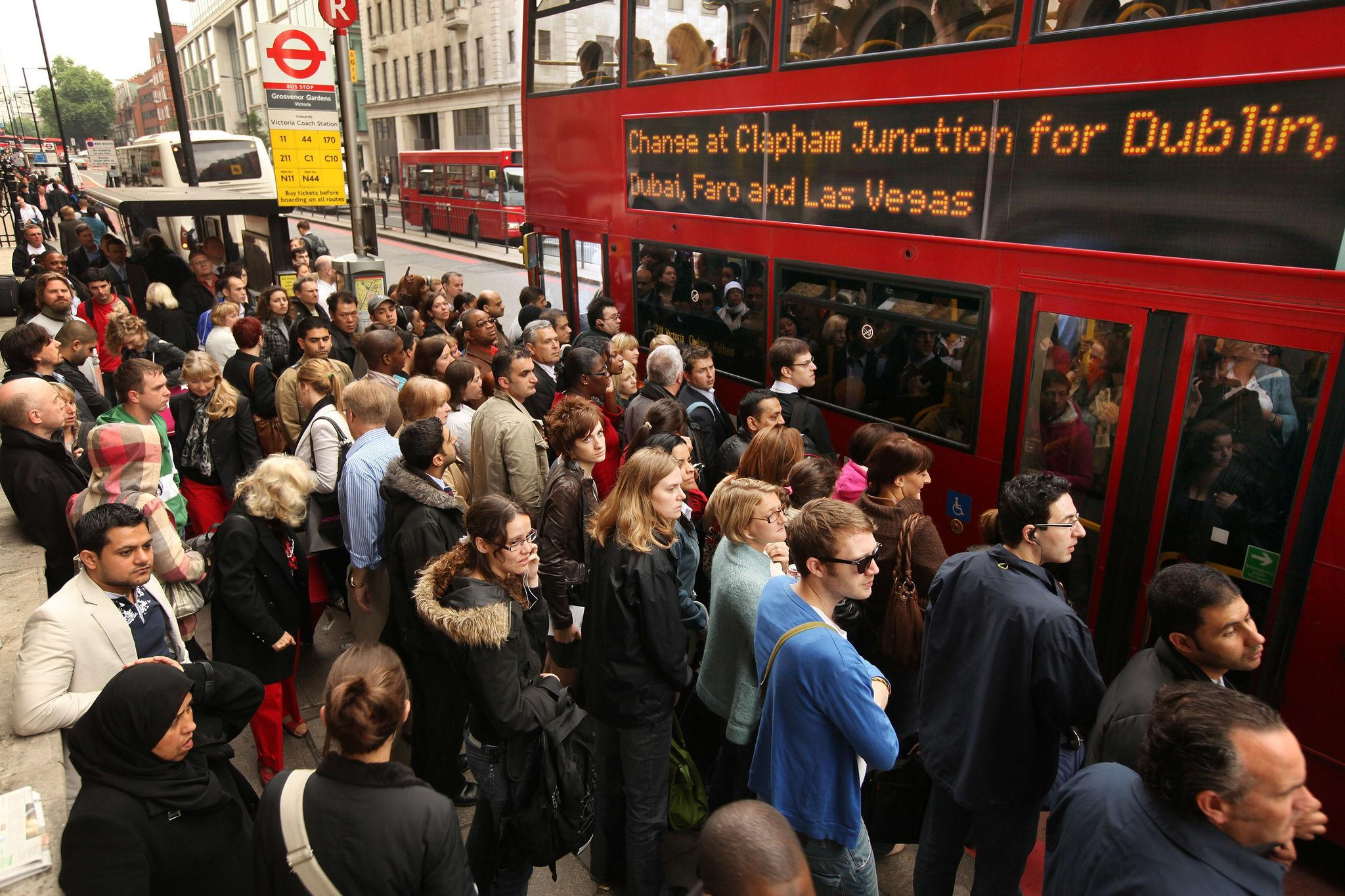
- Alternative routes such as National Rail and London Overground remain operational but are expected to be heavily congested.
- Core interchange zones will experience extreme crowding and delays.
Even services that remain operational will operate under strain, making reliability unpredictable across the network.
What’s Behind the TfL and RMT Dispute?
At the center of the TfL tube strike London 2026 is a dispute between Transport for London and the RMT (National Union of Rail, Maritime and Transport Workers).
Union Position
The RMT argues that proposed changes—particularly a four-day working week with condensed hours—have been imposed without proper agreement. According to the union:
- The proposal contradicts the expressed wishes of most drivers
- It undermines previously agreed negotiation terms
TfL Response
TfL maintains that:
- The four-day week is voluntary
- Workers can continue a five-day schedule if preferred
- No reduction in contractual hours is planned
Chief operating officer Claire Mann stated:
“Those who wish to continue a five-day working week pattern would be able to do so.
We urge the RMT to call off this action, which will disrupt Londoners, and continue to engage with us.”
The disagreement highlights deeper structural tensions around workforce flexibility, scheduling, and operational efficiency.
Wider Context: Workforce Pressures Inside TfL
The strike action is unfolding alongside broader internal challenges within TfL. Recent data shows:
- 418,885 sick days recorded in 2025
- 6.3% overall sickness rate
- Mental health accounting for 30% of long-term absence cases
These figures indicate systemic workforce strain, adding complexity to negotiations over working hours and conditions.
How London Is Coping: Alternatives and Adjustments
Despite the disruption, parts of the network remain functional:
- Elizabeth Line – running normally
- Buses and trams – operating as usual
- National Rail services – unaffected but crowded
However, these alternatives are absorbing displaced demand, creating secondary pressure points across the city.
Commuters are being advised to:
- Check real-time updates before travel
- Avoid peak hours where possible
- Consider remote working arrangements
The Bigger Picture: A Pattern of Rolling Strikes
The April strikes are not an isolated incident. Instead, they form part of a rolling schedule of industrial action extending into summer.
This raises ongoing uncertainty for:
- Businesses relying on commuter flow
- Tourism and events across London
- Daily travel planning for millions
The recurring nature of these strikes suggests that resolution is not imminent.
Conclusion: Disruption Now, Uncertainty Ahead
The London tube strikes April 2026 represent more than a temporary inconvenience. They reflect a deeper conflict over how one of the world’s busiest transport systems evolves under pressure.
For now, the answer to key commuter concerns—are tube strikes going ahead?—is unequivocal: yes, and the disruption is significant.
What remains uncertain is how long the standoff between TfL and the RMT will continue, and whether future strike dates in May and June will escalate or resolve the situation.


