Sony Xperia 1 VIII Review: Sony’s Boldest Xperia Yet

11 Min Read

Sony Xperia 1 VIII Review: Sony Refines Its Flagship Formula for 2026

Sony’s smartphone business has often felt like a niche operation surviving on loyal enthusiasts rather than mainstream momentum. Yet with the launch of the Xperia 1 VIII, Sony is signaling that it has no intention of abandoning its flagship ambitions. Instead of chasing trends, the company is doubling down on the philosophy that has long defined Xperia devices: cinematic design, professional-grade camera tools, expandable storage, and enthusiast-focused hardware features that rivals have steadily abandoned.

The Xperia 1 VIII arrives at an important moment for Sony. Earlier in 2026, the company sparked concern among fans after announcing a joint venture with TCL involving the Bravia television brand. Some feared the move hinted at broader restructuring across Sony’s consumer electronics business, including Xperia smartphones. Sony later reassured users there would be “no change in status” for Xperia phones, and the Xperia 1 VIII now stands as proof that the mobile division remains active and committed.

Rather than reinventing the Xperia line, Sony has chosen to refine it. The Xperia 1 VIII introduces one of the most substantial design overhauls the brand has seen in years while preserving many of the features that have made Xperia phones unique in a market increasingly dominated by similar-looking devices.

Explore the Sony Xperia 1 VIII review, including specs, camera upgrades, design changes, battery life, and flagship performance.

A Familiar Xperia Identity With a Dramatic New Look

At first glance, the Xperia 1 VIII is unmistakably a Sony phone. The device retains the tall and narrow shape Xperia users have come to expect, along with a fully uninterrupted display that avoids punch holes and notches entirely. While Sony previously leaned heavily into ultra-wide 21:9 cinematic displays, the Xperia 1 VIII shifts to a more mainstream 19.5:9 aspect ratio. Even so, the visible top and bottom bezels give the phone a distinctly elongated appearance compared to many 2026 flagships.

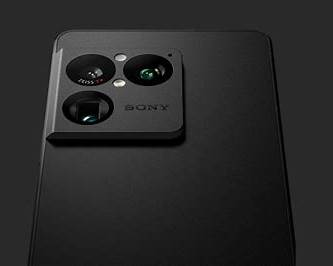
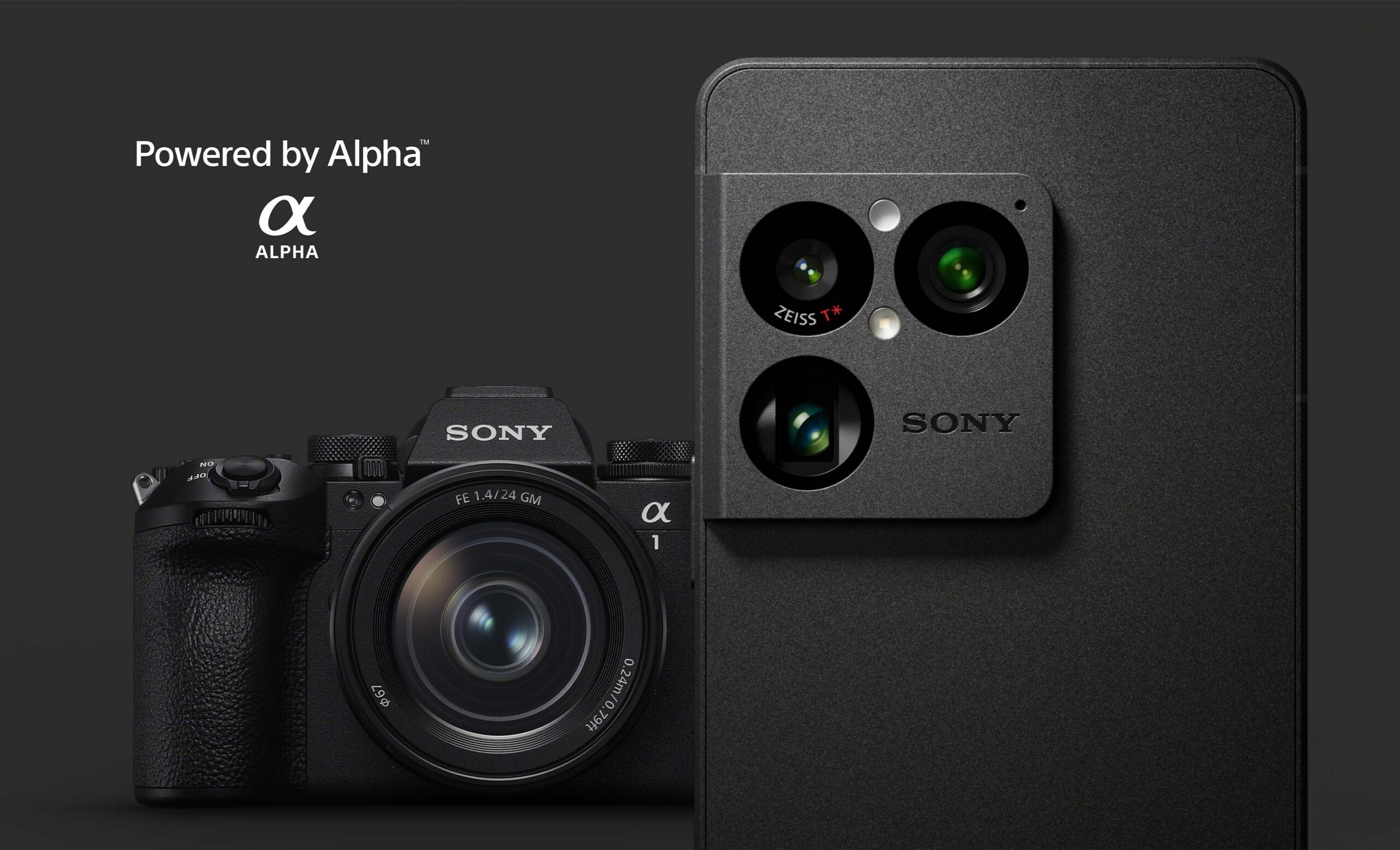
The biggest visual transformation appears on the rear of the phone. Sony has redesigned the camera housing with a sculpted island that slopes into the side frame, creating a more integrated appearance than previous Xperia generations. The new layout has drawn comparisons to devices like Samsung’s Galaxy S21 Ultra and the OnePlus 10 Pro, though Sony’s interpretation feels more industrial and understated.

Another standout feature is the phone’s textured matte finish. Instead of glossy glass or soft-touch coatings, Sony has opted for a rougher, grippier surface that feels almost porous in the hand. The finish gives the Xperia 1 VIII a tactile identity that separates it from competitors relying on polished premium aesthetics. According to reviewers, the texture resembles “a very fine nail file,” though more refined and sophisticated in execution.

The phone measures 162 x 74 x 8.3mm and weighs 200 grams, with Gorilla Glass Victus 2 protecting the front and Gorilla Glass Victus covering the rear. An aluminum frame and IP65/IP68 certification complete the premium construction.

While most flagship smartphones in 2026 have eliminated expandable storage, headphone jacks, and physical camera controls, Sony continues to preserve all three.

The Xperia 1 VIII includes:

  • A 3.5mm headphone jack
  • Expandable microSD storage
  • Stereo speakers
  • A side-mounted fingerprint scanner
  • A dedicated camera shutter button
  • A tool-free SIM tray

These may sound like small features, but together they reinforce Sony’s positioning of the Xperia line as a phone for photography enthusiasts, content creators, and multimedia users rather than trend-driven consumers.

Sony’s minimalist packaging also remains unchanged. The Xperia 1 VIII ships in a plain cardboard box with no USB cable or charging adapter included. The company has followed this eco-conscious approach for several years, though reactions remain mixed among consumers who still expect premium accessories with flagship devices.

Display: Cinematic Philosophy Meets Modern OLED Tech

Sony continues to prioritize display quality as a defining Xperia strength.

The Xperia 1 VIII features a 6.5-inch LTPO OLED panel with:

  • 120Hz refresh rate
  • HDR BT.2020 support
  • 1 billion colors
  • 2340 x 1080 resolution
  • 396ppi pixel density

Although Sony has stepped away from the ultra-tall 21:9 aspect ratio, the display still delivers the cinematic viewing experience Xperia fans appreciate. The absence of camera cutouts also creates a cleaner presentation for movies, gaming, and video playback.

The move to a 1080p panel rather than a higher-resolution 4K display may disappoint some Xperia loyalists, particularly since Sony previously used 4K screens as a flagship differentiator. However, the decision likely improves battery efficiency and thermal performance while keeping costs somewhat controlled.

Camera System: Sony’s Alpha DNA Remains Central

Photography remains at the core of Sony’s flagship strategy.

The Xperia 1 VIII features a triple 48-megapixel rear camera setup:

  • 48MP main sensor
  • 48MP ultrawide camera
  • 48MP telephoto lens

The upgraded telephoto camera uses a larger 1/1.56-inch sensor and supports optical zoom alongside close focusing capabilities. Sony says all three rear cameras benefit from improved low-light performance and enhanced dynamic range.

Sony has also integrated what it calls the “AI Camera Assistant” powered by Xperia Intelligence. According to the company, the system can suggest:

  • Lens choices
  • Color tones
  • Bokeh effects
  • Scene-based adjustments

Unlike some competitors that aggressively automate photography, Sony appears to be aiming for an AI-assisted creative workflow rather than fully automatic image generation.

Native support for Sony Alpha camera tools further strengthens the Xperia ecosystem for photographers already invested in Sony’s broader imaging lineup.

Video Recording Is Still a Major Xperia Strength

Sony continues to emphasize video capture more heavily than many competitors.

The Xperia 1 VIII supports:

  • 4K recording at 24fps, 30fps, 60fps, and 120fps
  • HDR video capture
  • Optical image stabilization
  • 5-axis gyro-EIS stabilization

Even the front-facing 12MP camera supports 4K recording at up to 60fps, which remains uncommon among flagship smartphones.

This focus on advanced video tools aligns with Sony’s strategy of appealing to creators who value manual controls and cinematic workflows rather than purely computational photography.

Performance and Software

Powering the Xperia 1 VIII is Qualcomm’s Snapdragon 8 Elite Gen 5 chipset built on a 3nm process. The processor is paired with:

  • 12GB RAM on standard models
  • 16GB RAM on the 1TB variant
  • UFS storage technology

Storage configurations include:

  • 256GB
  • 512GB
  • 1TB

Sony also continues to support expandable microSD storage through a shared SIM slot — another feature increasingly rare in flagship devices.

The phone launches with Android 16 and promises up to five major Android upgrades, representing one of Sony’s longer software support commitments to date.

Connectivity options include:

  • Wi-Fi 7
  • Bluetooth 6.0
  • NFC
  • 5G
  • eSIM support

Battery Life and Charging

Sony has equipped the Xperia 1 VIII with a 5000mAh battery that the company says can deliver up to two days of battery life depending on usage.

Charging features include:

  • 30W wired charging
  • 15W wireless charging
  • Reverse wireless charging

Sony claims the phone can reach 50% charge in approximately 30 minutes using compatible chargers.

While charging speeds trail some Chinese competitors now pushing beyond 100W fast charging, Sony appears to prioritize long-term battery health and balanced thermal performance over extreme charging benchmarks.

Pricing and Availability

The Xperia 1 VIII enters the premium flagship market at a high price point:

  • 12GB + 256GB: €1,499 / £1,399
  • 16GB + 1TB: €1,999 / £1,849

Sony has confirmed pre-orders began on May 13 in select markets. In participating regions, customers who pre-order the device will receive Sony’s WH-1000XM6 headphones as a bonus.

The phone launches in four colors:

  • Graphite Black
  • Iolite Silver
  • Garnet Red
  • Native Gold

No official pricing or availability has yet been announced for several international markets, including the Philippines.

Sony’s Strategy: Refinement Over Reinvention

The Xperia 1 VIII does not attempt to radically redefine Sony’s smartphone strategy. Instead, it carefully refines a formula that has maintained a dedicated — if comparatively small — audience over the years.

That strategy may limit mainstream appeal, particularly in a market dominated by foldables, AI-centric ecosystems, and aggressively priced Chinese flagships. Yet Sony’s consistency may also be its greatest advantage. Few manufacturers still cater so directly to users who want:

  • Professional-grade camera tools
  • Expandable storage
  • Headphone jacks
  • Minimal software clutter
  • Uninterrupted displays

The Xperia 1 VIII feels less like a phone designed for everyone and more like a device created specifically for a loyal enthusiast audience.

And in 2026, that may be exactly the point.

Final Verdict

The Sony Xperia 1 VIII is a flagship that confidently ignores many of the smartphone industry’s prevailing trends. Instead of chasing gimmicks or radical redesigns, Sony has refined the Xperia identity with upgraded cameras, premium materials, AI-assisted photography features, and one of its boldest hardware redesigns in years.

It remains a niche product, especially at its premium pricing, but it also remains one of the most distinctive Android flagships available.

For photographers, videographers, multimedia enthusiasts, and longtime Xperia fans, the Xperia 1 VIII delivers exactly what they have been asking Sony to preserve: a smartphone that still feels unapologetically Sony.

Share This Article