

Weekly Deals Heat Up as Samsung Discounts the Galaxy S26 Series and Motorola Opens Razr 2026 Pre-Orders
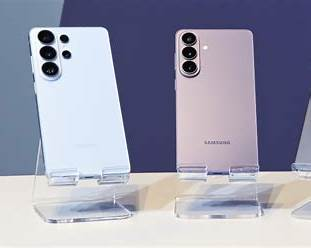
The smartphone market is entering another aggressive promotional cycle, and this week’s biggest developments come from two of Android’s most recognizable brands. Samsung has rolled out sizable discounts across the Galaxy S26 lineup just months after launch, while Motorola has officially opened pre-orders for its Razr 2026 foldable family ahead of the devices shipping on May 21.
The timing is notable. Consumers are increasingly questioning whether yearly smartphone upgrades deliver enough innovation to justify premium prices. The latest discounts and preorder incentives suggest manufacturers and retailers are responding with stronger deals, trade-in programs, and bundled perks to keep momentum alive in an increasingly competitive market.
For buyers, the result is one of the most interesting flagship shopping windows of 2026 so far.
Samsung’s Galaxy S26 Series Already Seeing Major Discounts
Samsung’s newest flagship phones launched less than three months ago, yet some models are already receiving discounts exceeding $200 in the United States. That is unusually aggressive pricing for devices that were marketed as premium next-generation upgrades.
The standout offer this week is the Samsung Galaxy S26+, now selling for $890 for the 256GB version, down more than $200 from launch pricing.
The 512GB model is also discounted to approximately $1,065.
While the Galaxy S26+ delivers improvements such as the Snapdragon 8 Elite Gen 5 processor, slightly faster 20W wireless charging, stronger speakers, and longer battery life, critics and reviewers have pointed out that the device remains relatively iterative compared to the previous generation.
Some premium features buyers increasingly expect from flagship devices are still absent, including:
- A higher-resolution telephoto camera sensor
- 10-bit display color support
- IP69 durability certification
That reality is creating an unusual situation for Samsung: older Galaxy devices remain extremely competitive against the newest models.
The Galaxy S25+ May Be the Better Value
One of the most compelling alternatives this week is not another brand — it is Samsung’s own previous-generation flagship.
The Galaxy S25+ is currently available for around $700, undercutting the S26+ by nearly $190 for comparable storage configurations.
For many users, the differences between the two generations may not justify the price gap.
The S26+ does outperform the older device in several areas:
- Better battery endurance
- Improved chipset performance
- Enhanced speakers
- Minor camera refinements
However, the overall experience remains very similar.
This trend reflects a larger industry shift where annual smartphone upgrades are becoming increasingly incremental. Instead of dramatic hardware leaps, manufacturers are focusing on refinements, efficiency gains, and software-driven experiences.
The Standard Galaxy S26 Faces an Identity Problem
Samsung’s compact flagship strategy continues with the standard Galaxy S26, which now features a larger 6.3-inch display while remaining the smallest option in the S26 lineup.
The issue, however, is pricing.
The gap between the 512GB Galaxy S26 and the larger Galaxy S26+ is reportedly only around $65, making the bigger phone significantly more attractive for many buyers.
That raises an important question for Samsung’s lineup strategy: is the standard Galaxy S model still positioned as a true entry flagship, or simply as a compact premium alternative?
For consumers prioritizing portability, the answer may still be yes. But for value-conscious buyers, the S26+ increasingly appears to offer the stronger proposition.
The Galaxy S26 Ultra Continues to Dominate Samsung’s Premium Tier
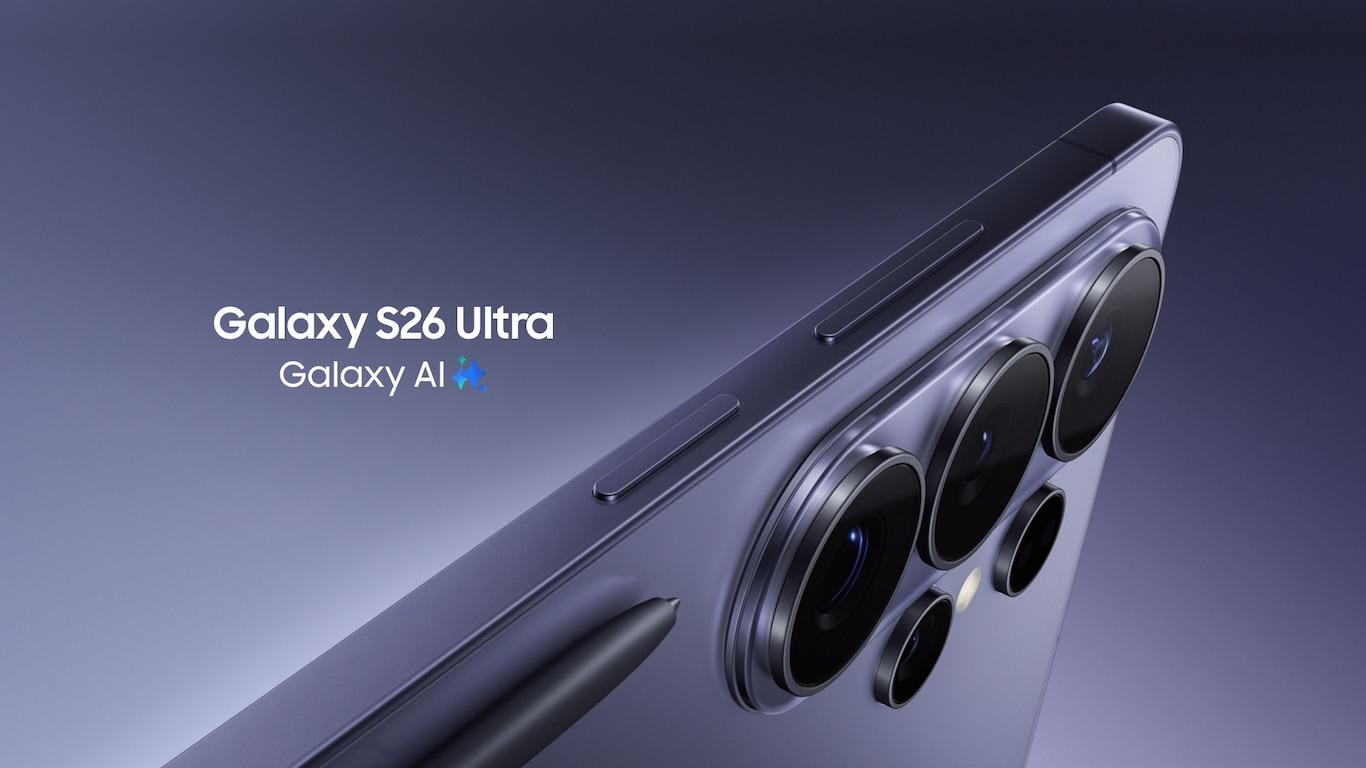
If there is one model in Samsung’s 2026 lineup that clearly received the most attention, it is the Galaxy S26 Ultra.
The Ultra version introduced several headline features, including Samsung’s new Privacy Display technology, while also receiving more substantial upgrades than the rest of the S26 family.
Even with a $200 discount already available, the device remains among the most expensive Android phones in the U.S. market:
- 256GB model: approximately $1,100
- 512GB model: approximately $1,300
The S26 Ultra reinforces a trend Samsung has leaned into for years: concentrating the company’s most ambitious hardware innovations into a single ultra-premium flagship.
For buyers seeking the absolute best Galaxy experience, Samsung clearly wants the Ultra to be the destination device.
Motorola Bets Big on Foldables Again
While Samsung pushes discounts, Motorola is focusing on excitement around foldables.
The company’s entire Razr 2026 lineup is now available for pre-order, with devices scheduled to begin shipping on May 21.
The lineup includes:
- Motorola Razr 2026
- Motorola Razr+ 2026
- Motorola Razr Ultra 2026
- Motorola Razr Fold
Retailers and carriers are already launching aggressive preorder promotions.
According to preorder listings, buyers can secure:
- Up to $700 trade-in credit at Best Buy
- Up to $565 off via Amazon trade-ins
- Free accessories including Moto Buds and Moto Watches through Motorola’s direct store
The promotions highlight how essential incentives have become in the premium foldable market, where devices often exceed $1,000.
Motorola Razr Ultra 2026: Powerful, But Familiar
Motorola’s flagship foldable, the Razr Ultra 2026, arrives with premium hardware but surprisingly modest upgrades.
The phone retains the same Snapdragon 8 Elite processor found in the previous-generation model. The main changes include:
- A larger 5,000mAh battery
- A brighter 5,000-nit display
Beyond those improvements, the device remains remarkably similar to the Razr Ultra 2025.
At a preorder price of approximately $1,500, some analysts and reviewers are questioning whether the upgrade is substantial enough to justify the cost increase.
The Unexpected Star: Razr Ultra 2025
Ironically, one of the strongest recommendations this week may actually be Motorola’s previous flagship.
The Razr Ultra 2025 is currently available for around $700, representing a massive $600 discount.
That creates a striking comparison:
| Device | Price | Processor | RAM/Storage |
|---|---|---|---|
| Razr Ultra 2026 | $1,500 | Snapdragon 8 Elite | 16GB / 512GB |
| Razr Ultra 2025 | $700 | Snapdragon 8 Elite | 16GB / 512GB |
The fact that both devices share the same processor while being separated by an $800 price difference makes the older model especially compelling.
For consumers interested in foldables without paying top-tier launch pricing, the Razr Ultra 2025 may represent one of the strongest smartphone deals currently available.
Motorola Continues to Differentiate Through Design
Despite criticisms about incremental hardware changes, Motorola still maintains several advantages in the Android ecosystem.
Industry comparisons in 2026 increasingly position Motorola as the brand focused on:
- Unique industrial design
- Bold color options
- Strong battery life
- Better value in foldables
Samsung, meanwhile, continues to dominate in:
- Software support longevity
- Ecosystem integration
- Carrier promotions
- Camera consistency
Analysts note that Motorola’s strategy appears centered on making foldables more accessible and visually distinctive, while Samsung continues pursuing ecosystem lock-in and premium refinement.
Foldables Are Becoming More Mainstream
The aggressive pricing and preorder offers also reveal something broader about the smartphone market in 2026: foldables are no longer niche experiments.
Motorola’s Razr lineup now spans multiple pricing tiers, from the base Razr at approximately $799 to ultra-premium foldables approaching $1,500.
That mirrors the evolution of traditional smartphones over the past decade.
Consumers now have foldable options for:
- Budget experimentation
- Mid-range premium use
- Luxury flagship experiences
The competition between Samsung and Motorola is accelerating this transition.
Consumers Are Winning the 2026 Smartphone Battle
The biggest takeaway from this week’s deals may be simple: buyers have more leverage than ever.
Manufacturers are releasing new phones at premium prices, but rapid discounts, strong trade-in offers, and overlapping generational performance mean consumers no longer need to buy immediately after launch.
For many shoppers:
- Last year’s flagship may offer better value
- Foldables are becoming financially accessible
- Trade-ins can dramatically reduce upgrade costs
- Iterative yearly upgrades are easier to skip
That dynamic is changing the way flagship smartphones are marketed and sold.
Instead of convincing users they need entirely new experiences every year, brands increasingly compete through pricing flexibility, ecosystem benefits, and incremental refinement.


