
Prince: The Enduring Legacy of a Musical Revolutionary
A Cultural Icon Revisited in 2026
Few names in modern music carry the same weight and mystique as Prince Rogers Nelson. Even a decade after his passing, Prince continues to dominate cultural conversations, trending in news cycles and retrospectives that revisit his groundbreaking artistry and influence.
On April 16, 2026, renewed attention turned to Prince’s legacy, with discussions highlighting a defining moment in his career—his 1994 single “The Most Beautiful Girl in the World”, which remains his only UK number-one hit. This milestone offers a window into the broader story of an artist who reshaped the global music landscape.
This article examines Prince not simply as a musician, but as a cultural force whose work continues to shape music, identity, and artistic freedom.

The Making of Prince: Early Life and Musical Foundations
Born on June 7, 1958, in Minneapolis, Minnesota, Prince Rogers Nelson was immersed in music from an early age. His parents were both musicians, and by the age of seven, he had already composed his first song.
His upbringing was complex—marked by family separation and instability—but it also fueled his creativity. By his teenage years, Prince had mastered multiple instruments and developed a distinctive musical voice that blended funk, rock, pop, and soul.
He signed his first major recording contract at just 18 years old, gaining rare creative control over his work—an early indication of his uncompromising approach to artistry.
Redefining Music in the 1980s
Prince’s rise in the late 1970s and early 1980s was rapid, but it was 1984 that cemented his global dominance.
The Purple Rain Breakthrough
The release of Purple Rain marked a turning point in music history. The project was more than an album—it was a cultural phenomenon that included a feature film, a chart-topping soundtrack, and a string of hit singles.
Prince achieved a rare trifecta: a number-one film, album, and single simultaneously in the United States.
Songs like “When Doves Cry” and “Let’s Go Crazy” became defining anthems of the era, while the album itself remained at the top of charts for months.
Artistic Independence and the “Love Symbol” Era
By the early 1990s, Prince’s battle for artistic freedom became as notable as his music.
In 1993, amid a contract dispute, he famously changed his name to an unpronounceable symbol—often referred to as the “Love Symbol.”
This move was not merely symbolic; it represented resistance against industry constraints. During this period, he was widely known as “The Artist Formerly Known as Prince.”
Despite the unconventional branding, his music continued to succeed commercially. Notably, “The Most Beautiful Girl in the World” became a global hit and his only UK chart-topper.
Musical Achievements and Global Impact
Prince’s career statistics underscore his influence:
- Over 100 million records sold worldwide
- 39 studio albums released during his lifetime
- Multiple Grammy Awards, an Academy Award, and a Golden Globe
- Induction into the Rock and Roll Hall of Fame and Songwriters Hall of Fame
He was not confined to one genre. Instead, he pioneered what became known as the “Minneapolis sound,” blending funk rhythms with rock guitar and pop sensibilities.
His influence extended beyond his own recordings. As a songwriter, he created hits for other artists, including “Nothing Compares 2 U”, later popularized by Sinéad O’Connor.
A Performer Without Equal
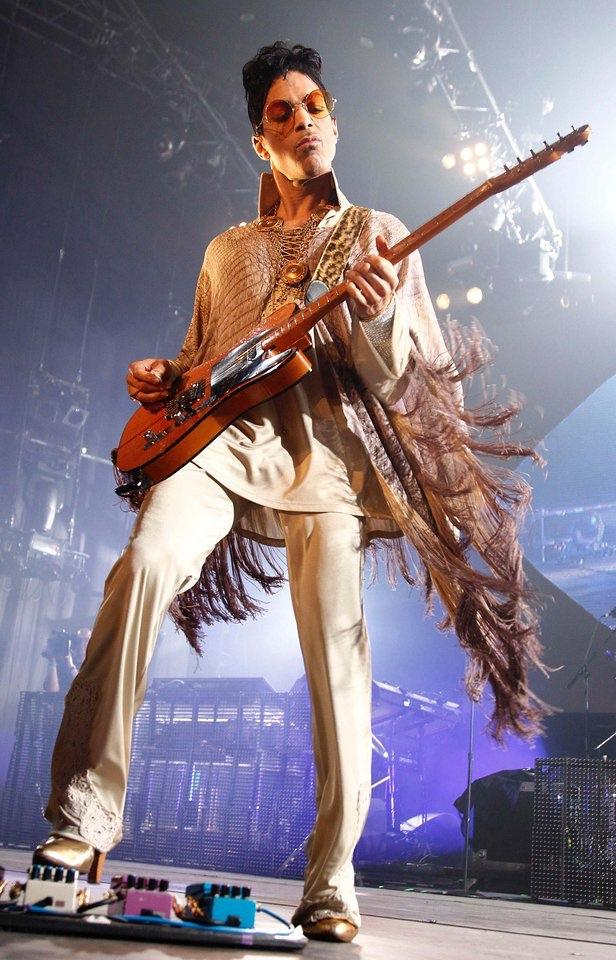
Prince’s live performances were central to his legend. Known for his electrifying stage presence, he combined musicianship, choreography, and theatrical flair.
One of his most iconic moments came during the Super Bowl halftime show in 2007, widely regarded as one of the greatest performances in the event’s history.
He was equally comfortable performing in intimate venues or large arenas, often surprising fans with unannounced shows.
Personal Life and Complexity
Prince maintained a highly private personal life. He was married twice—to Mayte Garcia and Manuela Testolini—and had one child, Amiir, who died shortly after birth.
His spiritual beliefs evolved over time, and he was known for his introspective outlook on fame, identity, and purpose.
Despite his global fame, Prince remained deeply connected to his hometown of Minneapolis, where he built Paisley Park—both a recording studio and creative sanctuary.
Final Years and Untimely Death
Prince remained musically active into his final years, releasing new material and touring extensively.
In April 2016, he died at the age of 57 at his Paisley Park residence following an accidental fentanyl overdose.
His death shocked the music world and prompted a global outpouring of tributes.
The Legacy That Continues to Grow
Prince’s influence has not diminished since his passing. If anything, it has expanded.
Posthumous recognition has included:
- Induction into additional halls of fame
- Renewed chart success for his catalog
- Continued critical reassessment of his work
In 2023, he was ranked among the greatest guitarists of all time, reinforcing his technical and artistic excellence.
Why Prince Still Matters Today
Prince’s legacy extends beyond music. He redefined:
- Artistic ownership — challenging record label control
- Gender and identity norms — through his fashion and persona
- Genre boundaries — merging styles into something entirely new
His work remains relevant in discussions about creativity, independence, and cultural expression.
In an era where artists increasingly seek control over their work, Prince’s battles with the music industry appear prescient rather than radical.
Conclusion
Prince was not just a performer or a songwriter—he was an architect of modern music culture.
From his early beginnings in Minneapolis to global superstardom, from chart-topping hits to bold acts of defiance against industry norms, his journey reflects both extraordinary talent and unwavering conviction.
The continued interest in milestones like his 1994 UK chart success is not nostalgia—it is evidence of enduring relevance.
Prince’s music, message, and influence remain embedded in the fabric of global culture. And as new generations discover his work, his legacy continues to evolve rather than fade.


