
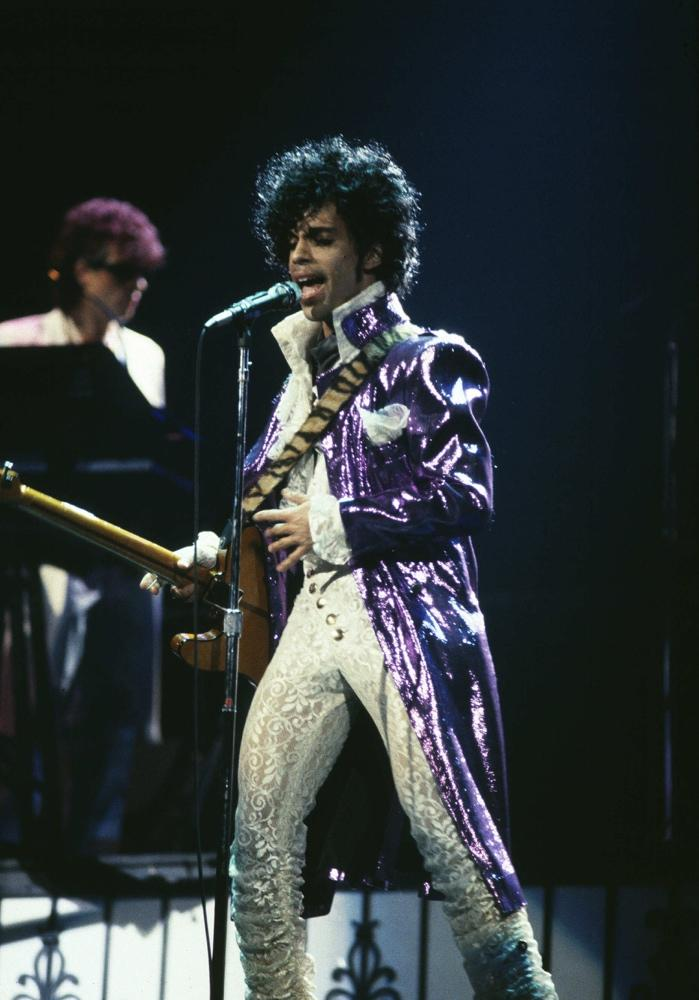
Prince Biography: The Genius Who Redefined Music, Identity, and Art
Few artists in modern history have reshaped music and culture with the precision, audacity, and sheer talent of Prince. A singular force in popular music, Prince was not just a performer but a composer, producer, instrumental virtuoso, and cultural icon whose influence continues to reverberate long after his death in 2016.
From the electrifying sound of Purple Rain to his fearless exploration of identity, sexuality, and artistic independence, Prince built a legacy that transcends genres. His work blurred the lines between funk, rock, pop, R&B, and soul, creating a sonic universe uniquely his own. His life story—marked by creative brilliance, business battles, and personal mystique—remains one of the most compelling narratives in music history.
Prince Quick Facts: Age, Net Worth, Family, and Career Snapshot
| Field | Details |
|---|---|
| Full Name | Prince Rogers Nelson |
| Date of Birth | June 7, 1958 |
| Age (at death) | 57 years |
| Place of Birth | Minneapolis, Minnesota, United States |
| Nationality | American |
| Profession | Singer-songwriter, musician, producer, actor |
| Height | 5 feet 2 inches (157 cm) |
| Current Status | Deceased (April 21, 2016) |
| Net Worth | Estimated $200 million at the time of death (estate value has grown significantly posthumously) |
| Income Sources | Music sales, touring, songwriting, production, publishing rights, Paisley Park operations |
| Relationship Status | Divorced |
| Spouse/Partners | Mayte Garcia (1996–2000), Manuela Testolini (2001–2006) |
| Children | One son (deceased shortly after birth) |
| Major Achievements | Grammy Awards, Academy Award for Best Original Song Score (Purple Rain), Rock and Roll Hall of Fame inductee |
Early Life and Musical Roots: A Prodigy from Minneapolis
Prince Rogers Nelson was born into a musical household in Minneapolis. His father, John L. Nelson, was a jazz pianist, while his mother, Mattie Della Shaw, was a singer. This environment exposed him early to music theory, composition, and performance, laying the foundation for what would become an extraordinary career.
From a young age, Prince demonstrated an unusual aptitude for music. He taught himself to play multiple instruments, including piano, guitar, drums, and bass, often mastering them without formal training. By his teenage years, he was already writing and recording original compositions, displaying a level of musical sophistication far beyond his age.
His upbringing was not without challenges. His parents separated during his childhood, and Prince moved between households. Music became both an escape and a defining identity. By the time he graduated high school, he had already formed bands and secured industry attention—an early indicator of the career that would soon explode onto the global stage.
Breaking Into the Industry: A Career Built on Total Control
Prince’s entry into the music industry was unusual. At just 19, he signed a recording contract that granted him unprecedented creative control—a rare privilege at the time. His debut album, For You (1978), showcased his ability to play nearly every instrument and produce his own work.
His breakthrough came with 1999 (1982), which established him as a major force in pop and R&B. However, it was Purple Rain (1984) that cemented his global status. The album, paired with a semi-autobiographical film, became a cultural phenomenon, producing timeless hits like “When Doves Cry” and “Let’s Go Crazy.”
Prince’s career was defined by constant reinvention. He released music at a prolific rate, often experimenting with new sounds and identities. His infamous name change to an unpronounceable symbol in the 1990s was both a protest against record label control and a statement about artistic freedom. This move redefined conversations around ownership and intellectual property in the music industry.
Musical Genius and Cultural Milestones
Prince’s discography is vast and complex, spanning dozens of albums and countless unreleased recordings. His ability to seamlessly blend genres set him apart from contemporaries. He was equally comfortable delivering blistering guitar solos as he was crafting delicate ballads or funk-driven dance tracks.
His live performances were legendary. Known for his stage presence, precision, and unpredictability, Prince turned concerts into immersive experiences. His 2007 Super Bowl halftime show—performed in pouring rain—remains one of the most celebrated live performances in history.
Beyond commercial success, Prince earned critical acclaim and numerous awards. He won multiple Grammy Awards and an Academy Award for Purple Rain. His induction into the Rock and Roll Hall of Fame further solidified his status as one of the greatest musicians of all time.
Prince Net Worth, Business Ventures, and Lifestyle
At the time of his death in 2016, Prince’s net worth was estimated at approximately $200 million. However, the true value of his estate has grown significantly due to continued music sales, licensing deals, and the management of his extensive vault of unreleased material.
A key asset was Paisley Park, his private studio complex in Minnesota. More than just a recording space, it functioned as a creative hub where Prince wrote, recorded, and produced much of his work. Today, Paisley Park operates as a museum and cultural landmark, attracting fans from around the world.
Prince was known for maintaining tight control over his finances and intellectual property. He famously resisted streaming platforms early on, emphasizing artist rights and fair compensation. His approach to business influenced a generation of musicians navigating the evolving digital landscape.
Personal Life and Relationships: Privacy Amid Fame
Despite global fame, Prince maintained a highly private personal life. He was married twice—first to dancer Mayte Garcia and later to Manuela Testolini. His relationship with Garcia was particularly significant; the couple had a son who tragically passed away shortly after birth, an event that deeply affected him.
Prince’s spirituality also played a central role in his life. He was a devout Jehovah’s Witness in his later years, and this belief system influenced both his personal choices and aspects of his music.
While often surrounded by speculation, Prince rarely addressed rumors publicly. This deliberate separation between public persona and private life contributed to his enduring mystique.
The Final Chapter: Prince’s Death and Cause
Prince died on April 21, 2016, at his Paisley Park estate in Minnesota. He was 57 years old. His death shocked the world, prompting an outpouring of tributes from fans, fellow artists, and global leaders.
The official cause of death was determined to be an accidental overdose of fentanyl, a powerful opioid. The revelation highlighted broader issues surrounding prescription medication and substance misuse, sparking public discussion far beyond the music industry.
His passing marked the end of an era, but also the beginning of renewed interest in his work. Posthumous releases, documentaries, and tributes have continued to introduce his music to new generations.
Enduring Influence and Cultural Legacy
Prince’s impact on music and culture is immeasurable. He challenged conventions not only in sound but in identity, gender expression, and artistic ownership. His refusal to conform reshaped industry standards and inspired countless artists across genres.
From his innovative production techniques to his bold visual aesthetics, Prince’s influence can be seen in contemporary pop, R&B, hip-hop, and rock. Artists frequently cite him as a major inspiration, and his work remains a benchmark for creativity and originality.
More than a musician, Prince was a symbol of artistic independence. His legacy continues to evolve, fueled by ongoing releases and the preservation of his vast musical archive.
Lesser-Known Facts About Prince
Prince wrote and produced hits for other artists, including “Nothing Compares 2 U,” famously performed by Sinéad O’Connor.
He was known to record entire albums in a matter of days, often playing every instrument himself.
His vault at Paisley Park reportedly contains thousands of unreleased songs, many of which are still being cataloged.
He was deeply involved in philanthropy, often donating anonymously to causes related to education and social justice.
Final Reflection: The Artist Who Refused Limits
Prince’s life and career defy easy categorization. He was a virtuoso, an innovator, and a cultural disruptor who reshaped the boundaries of music and identity. His work continues to inspire not because it followed trends, but because it created them.
Even years after his death, the question is not whether Prince remains relevant—it is how deeply his influence continues to shape the sound and direction of modern music.


