
Olivia Rodrigo Dress Era: How Babydoll Fashion Became the Defining Style Trend of 2026
Olivia Rodrigo’s fashion evolution has entered a bold new chapter, and at the center of it is one unmistakable statement piece: the babydoll dress.
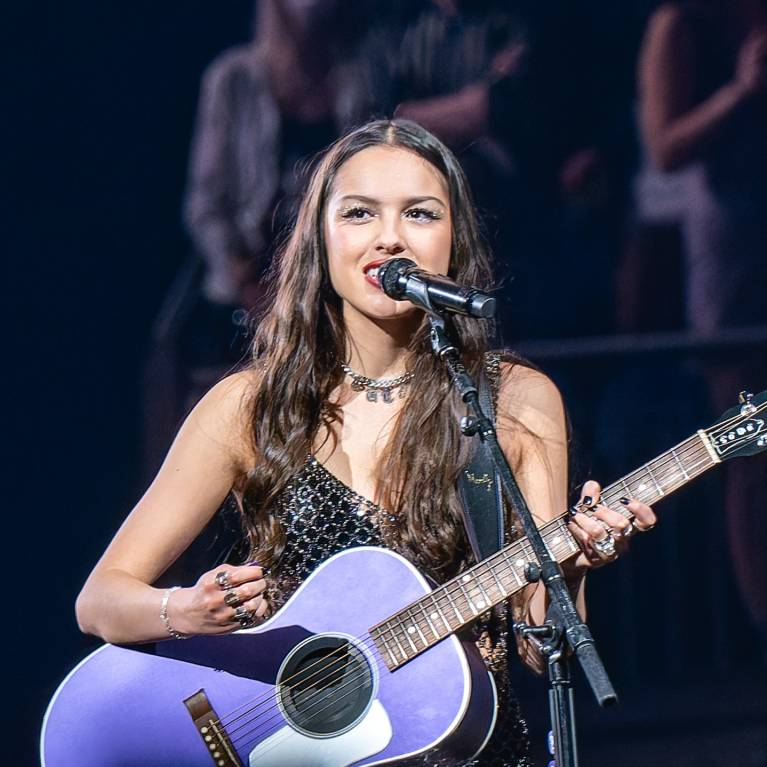
Over the past several weeks, the Grammy-winning singer has transformed the once nostalgic silhouette into the defining aesthetic of her upcoming musical era. Whether performing in Barcelona, appearing on Saturday Night Live, or posing with Spotify plaques backstage, Rodrigo has consistently leaned into ultra-feminine mini dresses paired with rugged boots, creating a look that is simultaneously delicate, rebellious, nostalgic, and divisive.
What started as a celebrity outfit moment has quickly evolved into one of fashion’s most talked-about cultural conversations.
The Dress That Sparked the Internet
The latest wave of discussion began on May 8, when Rodrigo performed at Spotify’s Billions Club Live event in Barcelona. The singer celebrated surpassing billions of streams while debuting her dreamy new single, Drop Dead. But it was her outfit—not just her performance—that dominated online discussion afterward.
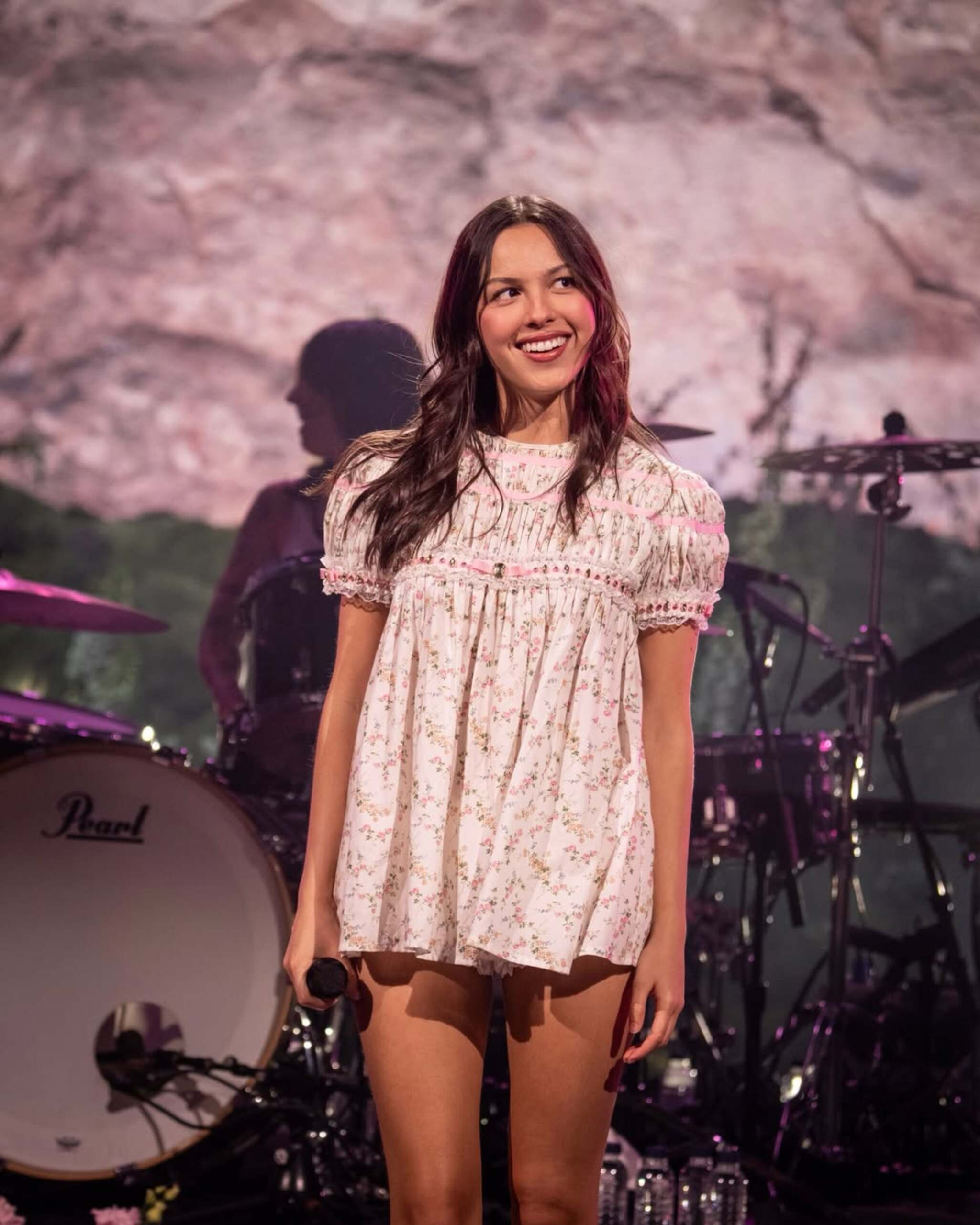
Rodrigo wore a puff-sleeved babydoll-style mini dress from Génération78’s “Crush Loves Drama” collection, styled with chunky Dr. Martens 1B60 Bex knee-high boots and knee-high white socks. The look immediately captured attention because of its dramatic contrast between sweetness and punk-inspired edge.
Fashion observers noted that the styling perfectly aligned with Rodrigo’s evolving aesthetic for her forthcoming third album, You Look Pretty Sad for a Girl So in Love. The singer has repeatedly embraced floral dresses, lingerie-inspired silhouettes, and vintage-inspired babydoll shapes during recent appearances.
Yet the conversation quickly expanded beyond fashion.
Why Olivia Rodrigo’s Dress Became Controversial
Social media reactions exploded after clips from the Barcelona performance circulated online. Some critics accused Rodrigo of embracing “infantilizing” fashion aesthetics, arguing that the babydoll silhouette resembled toddler clothing while being paired with mature stage choreography.
The backlash became especially intense because discussions around celebrity styling, sexuality, and youth aesthetics have become increasingly sensitive in modern pop culture.
One viral criticism argued:
“Why TF is she dressing like a toddler and touching herself in a sexual manner?”
Others compared the discourse surrounding Rodrigo to similar conversations involving Sabrina Carpenter and other young female pop stars accused of leaning into so-called “Lolita” aesthetics.
For critics, the concern was not merely the dress itself but what they interpreted as a broader trend within celebrity culture.
The Fashion History Behind the Babydoll Dress
Supporters of Rodrigo’s style choices quickly pushed back, arguing that the criticism ignored the long history of the babydoll dress within alternative and feminist fashion movements.
Fashion historians note that babydoll dresses first emerged as nightwear during the 1940s before becoming mainstream through 1960s icons like Twiggy. By the 1990s, however, the silhouette had been radically transformed by grunge and riot grrrl musicians such as Courtney Love.
The intention behind the styling was often deliberately confrontational: combining traditionally “innocent” silhouettes with aggressive music, messy makeup, heavy boots, and rebellious performances.
Rodrigo’s styling follows this exact formula.
At the Spotify event, the softness of the floral dress was intentionally disrupted by Dr. Martens combat-inspired footwear. The same tension appeared in another Barcelona outfit, where she wore a white tiered babydoll dress paired with brown Frye Campus Knee High boots.
Her fashion choices suggest a deliberate continuation of the “sweet-but-dangerous” aesthetic that has historically defined female punk and alternative pop stars.
Olivia Rodrigo’s Boots-and-Dress Formula Is Influencing Fashion Trends
While the cultural debate intensified online, fashion editors focused on something else entirely: Rodrigo’s impact on current trends.
Style publications have increasingly highlighted how the singer is reshaping summer dressing by replacing sandals with heavy moto boots.
During another appearance in Barcelona, Rodrigo wore a black drop-waist dress by local label Gimaguas alongside Frye Campus 14L moto boots, Ray-Ban sunglasses, and a Rixo x Dragon Diffusion handbag.
Fashion analysts described the outfit as part of a growing movement among younger consumers who are rejecting traditionally “pretty” summer styling in favor of more rebellious contrasts.
Instead of pairing dresses with delicate sandals, Rodrigo’s generation increasingly favors:
- Knee-high moto boots
- Chunky combat footwear
- Grunge-inspired styling
- Vintage-inspired silhouettes
- Feminine dresses contrasted with rugged accessories
The trend reflects a larger shift away from polished minimalism toward expressive, personality-driven dressing.
A Carefully Crafted Album Aesthetic
Rodrigo’s wardrobe choices are not appearing randomly.
The babydoll dresses have become central to the visual identity of her upcoming album cycle. According to multiple appearances and promotional images, the singer has consistently incorporated vintage-inspired mini dresses into performances, editorial shoots, and public outings.
The aesthetic appears deeply connected to the emotional themes of her new music.
Rodrigo has reportedly described the album as exploring her first “big girl” relationship, signaling a thematic transition from the heartbreak and teenage angst of Sour and Guts toward a more emotionally mature era.
That contradiction—adult emotions paired with youthful silhouettes—may explain why the fashion choices have generated such intense discussion.
The Commercial Impact of the Olivia Rodrigo Dress Trend
As often happens with celebrity fashion moments, Rodrigo’s outfits have already influenced retail trends.
Fashion publications quickly published shopping guides inspired by her looks, featuring:
- Dr. Martens knee-high boots
- Frye moto boots
- Floral babydoll mini dresses
- Puff-sleeve dresses
- Vintage-inspired white tiered dresses
Several of the featured pieces retail between $200 and $500, highlighting the growing luxury-meets-grunge positioning of Rodrigo’s aesthetic.
Among the most discussed items:
- Dr. Martens 1B60 Bex Pisa Leather Knee-High Boots ($240)
- Frye Campus 14L Boots ($498)
- Gimaguas Leila Dress ($265)
Retail analysts increasingly view Rodrigo as one of the most commercially influential celebrity dressers among Gen Z consumers.
Why the Debate Around Olivia Rodrigo’s Dress Matters
The controversy surrounding Rodrigo’s wardrobe reveals something larger than celebrity fashion gossip.
At its core, the debate touches on:
- how women’s clothing is interpreted in public spaces,
- how youth aesthetics are viewed in pop culture,
- and whether fashion can function as commentary rather than simple styling.
Supporters argue that blaming women’s clothing choices for problematic interpretations shifts responsibility away from harmful behavior itself. Critics, meanwhile, argue that celebrity imagery carries cultural influence and therefore deserves scrutiny.
The fact that a single dress sparked widespread discourse demonstrates how fashion remains deeply tied to identity, gender expectations, and generational values.
The Future of Rodrigo’s Fashion Era
One thing appears certain: Olivia Rodrigo is not abandoning the babydoll dress anytime soon.
With her new album arriving June 12 and the upcoming Unraveled Tour on the horizon, the singer’s styling direction is becoming increasingly defined.
The formula is now unmistakable:
- soft vintage-inspired dresses,
- rebellious knee-high boots,
- punk references,
- and emotionally charged storytelling.
Whether audiences see the look as empowering, provocative, nostalgic, or controversial, Rodrigo has undeniably succeeded in making fashion part of the conversation surrounding her music.
And in today’s celebrity culture, that level of visual identity is often just as powerful as the songs themselves.


