

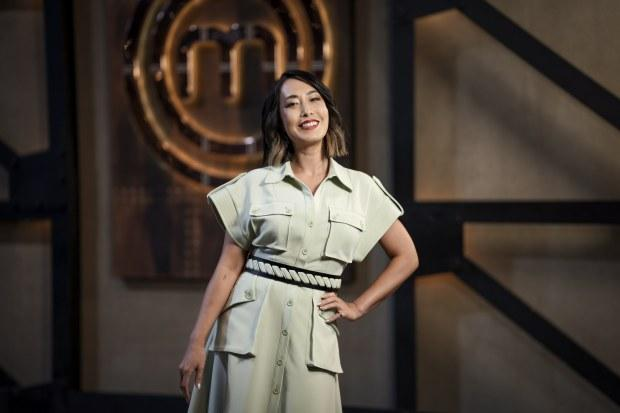
Melissa Leong’s Defining Moment: Why Her “Taste of Art” Statement Resonated Far Beyond Television
Melissa Leong has long been one of Australia’s most recognizable food media personalities — celebrated for her sharp culinary insight, cultural commentary, and groundbreaking role as one of the leading faces of MasterChef Australia. But in May 2026, the conversation surrounding Leong shifted dramatically from food and entertainment to accountability, workplace culture, and the importance of listening to women who speak out.
The former MasterChef Australia judge publicly addressed the controversy surrounding the cooking competition series Taste of Art New Zealand after broadcaster SBS pulled the program from its schedule following allegations of misconduct against co-host Vaughan Mabee. Her response quickly became one of the most discussed moments in Australian entertainment media this year.
At the centre of the reaction was a statement that resonated widely across social media and news platforms:
“We need to listen when women speak up, because it isn’t without fear, trepidation and personal cost when we do so.”
For many observers, the statement transformed the unfolding controversy into something larger than a cancelled television show. It became part of a broader public discussion about workplace conduct, power dynamics in hospitality, and the emotional cost carried by victim-survivors.
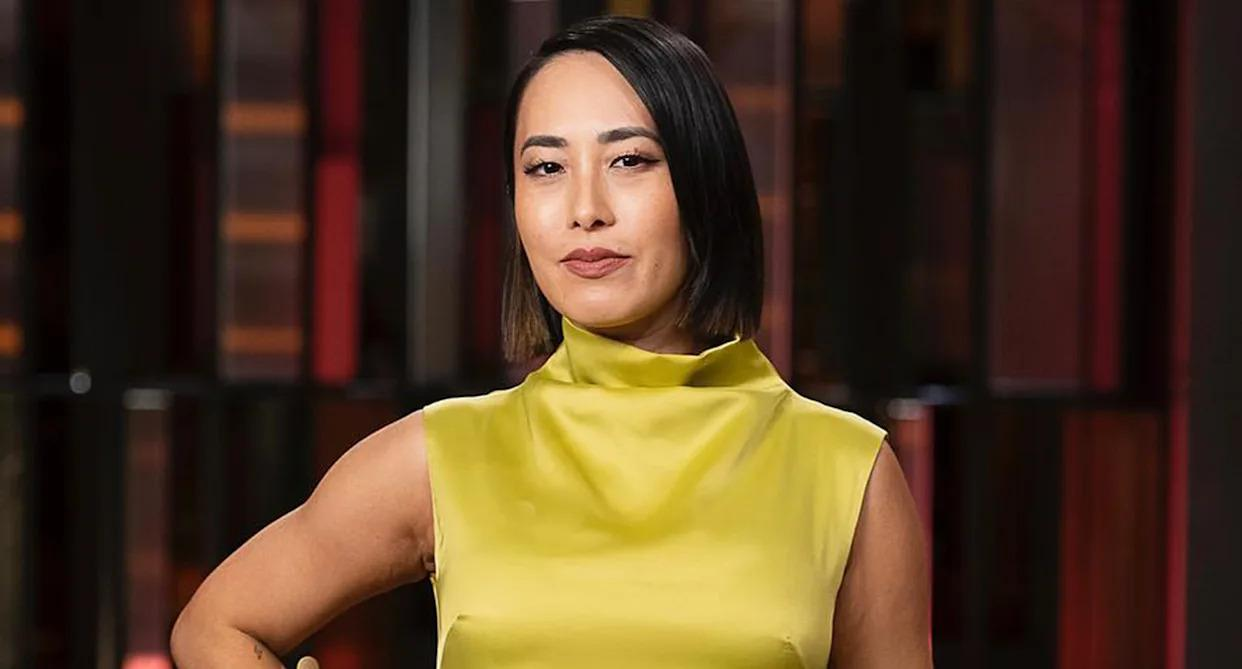
From Culinary Star to Influential Media Voice
Melissa Leong has spent years building a reputation that extends beyond television judging panels. Born in Sydney in 1982, Leong developed a multifaceted career as a food writer, critic, television presenter, radio broadcaster, and cookbook editor.
Her breakthrough into mainstream television came when she joined MasterChef Australia in 2020 alongside Andy Allen and the late Jock Zonfrillo. The appointment was historically significant: Leong became the first female and first Asian Australian judge on the franchise.
Across four seasons, she earned praise for combining culinary expertise with empathy, cultural awareness, and articulate storytelling. Her television presence also expanded into projects including Dessert Masters Australia, fashion events, documentaries, and publishing ventures.
By the time Taste of Art New Zealand was announced, Leong’s career had already evolved far beyond reality television judging. The project represented another ambitious step in her international media profile.
What Was “Taste of Art”?
Taste of Art New Zealand was conceived as a premium culinary competition series blending fine dining with visual creativity. The seven-part production featured ten chefs competing in pairs to produce dishes designed as both gourmet meals and edible works of art.
The series was filmed in Queenstown, New Zealand, at Remarkables Studios in Frankton. Industry observers viewed it as a major regional production because it became one of the first large-scale studio reality shows filmed in Queenstown.
Leong and acclaimed chef Vaughan Mabee served as judges and co-hosts. Mabee, previously executive chef at Amisfield Restaurant in Arrowtown, had developed a high-profile culinary reputation in New Zealand’s fine dining scene.
The program had already aired on TVNZ1 earlier in 2026 and was scheduled to debut on SBS Food in Australia before the broadcaster abruptly pulled it from its lineup.
The Allegations Against Vaughan Mabee
The controversy intensified after reports published in New Zealand media alleged misconduct involving Mabee during his time at Amisfield Restaurant.
According to reports, allegations included:
- creating a toxic workplace culture
- bullying and aggressive conduct
- inappropriate comments directed at staff
- alcohol abuse
- physical aggression
- alleged assault involving a colleague after a work gathering
Amisfield owner John Darby later confirmed Mabee had been removed from the workplace while an independent investigation took place. Following the inquiry, the restaurant accepted his resignation.
Mabee subsequently issued a public apology, stating:
“I let my team, myself and my family down.”
He also said:
“I unreservedly apologise to former colleagues for my inappropriate behaviour to them or any inconsiderate comments made.”
The fallout rapidly affected the television series attached to his name.
SBS Pulls the Series
SBS confirmed that it would not proceed with airing Taste of Art New Zealand “at this time.” The network linked the decision directly to the allegations surrounding Mabee.
The broadcaster stated:
“SBS will not broadcast the acquired series Taste of Art New Zealand at this time. This decision follows allegations of misconduct concerning the program’s co-host Vaughan Mabee.”
The network replaced the series in its schedule with Gary Barlow’s Food and Wine Tour Australia.
TVNZ also reportedly removed the show from its streaming services amid the controversy.
The decision created significant collateral damage for everyone involved in the production — including Leong, who had no involvement in the allegations.
Melissa Leong Breaks Her Silence
In the days following the cancellation, Leong posted a carefully worded statement to Instagram that quickly spread across Australian and New Zealand media outlets.
She explained that she had originally joined the project because it celebrated:
“the highest potential in cuisine artistry” and the “tradition, culture and kai that Aotearoa is renowned for the world over.”
Leong also acknowledged the emotional impact the situation had on the wider production team:
“That disappointment is shared by the rest of the cast, crew, production and partners, all of whom put such love, energy and trust into making a hit.”
But it was her comments about women speaking up that became the defining moment of the statement.
Leong described herself as a “victim-survivor” and explained why remaining silent felt impossible:
“As a victim-survivor, it would feel like a betrayal to me if I did not say something about the situation at hand.”
The statement resonated strongly because it connected a television industry controversy to broader conversations already occurring globally around workplace safety, abuse, and accountability.
Why Her Words Carried Weight
Leong’s comments landed differently from a typical celebrity statement because her public image has increasingly been associated with vulnerability, honesty, and advocacy.
Over recent years, she has openly discussed mental health challenges, anxiety, depression, chronic health conditions, and the pressures of public life.
In 2025, Leong publicly revealed she had experienced sexual violence while working in hospitality in her twenties.
That context gave additional emotional significance to her decision to speak publicly about the Taste of Art controversy.
Observers noted that Leong avoided sensationalism. Rather than escalating the controversy, her statement focused on empathy, accountability, and consideration for those affected.
She also made it clear she would not continue commenting publicly while investigations and discussions remained ongoing:
“As the situation is still unfolding, this is as far as I will speak on this subject.”
The Hospitality Industry Reckoning
The controversy surrounding Mabee and Taste of Art also reignited scrutiny around hospitality industry culture in Australia and New Zealand.
For years, chefs and restaurant workers across multiple countries have spoken about:
- toxic kitchen hierarchies
- alcohol-fuelled workplace cultures
- bullying
- harassment
- normalization of abusive behaviour in elite dining environments
The allegations connected to Mabee emerged within that broader context.
Leong’s intervention amplified conversations many hospitality workers have been having privately for years. Her statement particularly resonated with women in food media and restaurant industries who described fears around career repercussions, professional isolation, and reputational risk when reporting misconduct.
The situation demonstrated how television, celebrity culture, and restaurant prestige increasingly intersect with public expectations around ethical leadership and workplace responsibility.
Melissa Leong’s Career Beyond the Controversy
Despite the setback surrounding Taste of Art, Leong remains one of Australia’s most versatile television and media personalities.
Following her departure from MasterChef Australia in 2023, she expanded her portfolio significantly.
Her projects have included:
- Dessert Masters Australia
- documentary appearances
- fashion collaborations
- UFC-related broadcasting roles
- memoir writing
- children’s media appearances
- reality competition programs including The Amazing Race Australia
Her memoir Guts, published in 2025, further cemented her reputation as a public figure willing to discuss difficult personal experiences candidly.
Industry analysts widely believe her career trajectory remains strong despite the collapse of Taste of Art in Australia.
A Television Story That Became Something Bigger
What began as a television programming decision quickly evolved into a wider social conversation about accountability, credibility, and the risks people face when speaking publicly about misconduct.
Melissa Leong’s response stood out because it balanced professionalism with personal conviction. Rather than centering herself, she shifted attention toward the broader issue of believing and supporting women who come forward.
In doing so, she reinforced why she remains influential beyond cooking television alone.
For audiences, the story was no longer just about an unaired reality series. It became a reflection of changing expectations in media, hospitality, and public life — industries where silence once protected reputations more than people.
And for Leong herself, the moment further defined a career increasingly associated not only with food and culture, but also with candour, resilience, and social awareness.


