

Melissa Leong Breaks Silence as Taste of Art Fallout Deepens
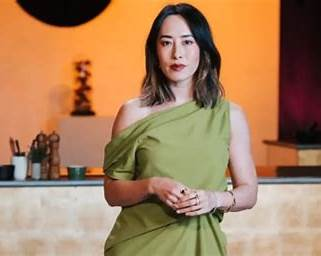
Australian television personality and food writer Melissa Leong has publicly addressed the cancellation of the SBS cooking series Taste of Art after allegations of misconduct emerged against her co-host, acclaimed New Zealand chef Vaughan Mabee. The controversy has quickly become one of the most discussed stories in Australasian food and television media, placing renewed focus on workplace culture within hospitality and the responsibilities broadcasters face when allegations surface.
Leong, best known to audiences as a former judge on MasterChef Australia, issued an emotional statement this week in response to SBS pulling the New Zealand-produced series just days before its scheduled Australian premiere. Her comments have drawn widespread attention not only because of the show’s abrupt cancellation, but also because they connect directly to broader conversations around women speaking out in industries historically marked by power imbalances.
The situation has also reignited scrutiny around Leong’s television career trajectory after her departure from MasterChef Australia in 2023.
A Show Pulled Hours Before Launch
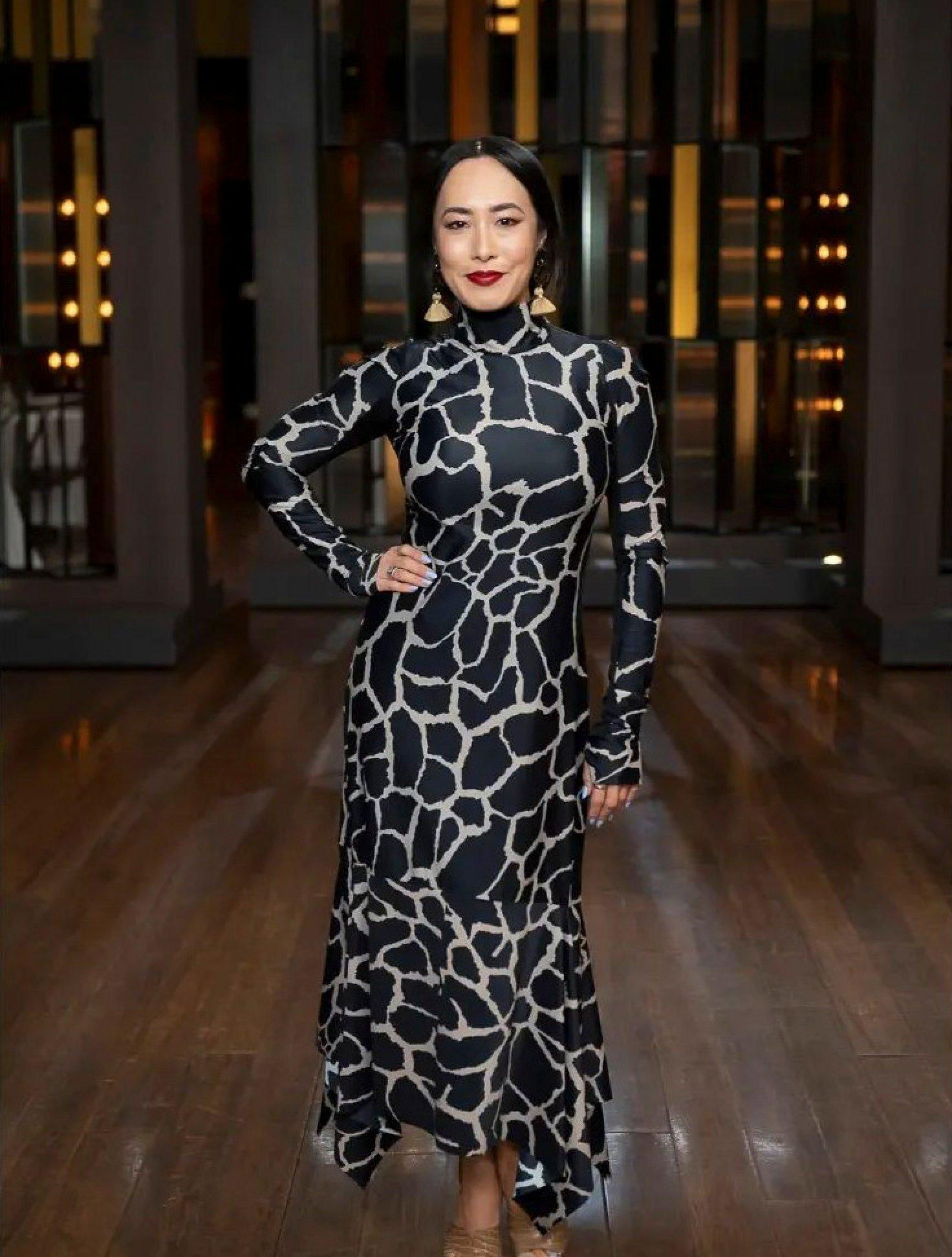
Taste of Art was positioned as a prestige culinary series celebrating creativity, culture, and high-end cuisine across Aotearoa New Zealand. The program featured Melissa Leong alongside Vaughan Mabee, the celebrated former executive chef of Central Otago’s renowned Amisfield restaurant.
However, SBS confirmed it would not air the program “at this time” after allegations of misconduct involving Mabee became public. According to statements released by the broadcaster, the decision followed “allegations of misconduct concerning the program’s co-host Vaughan Mabee,” after which Mabee issued a formal public apology.
The network subsequently replaced the scheduled program slot with Gary Barlow’s Food and Wine Tour Australia.
While SBS has left open the possibility of airing the series at a later date, industry observers increasingly believe the chances are slim given the mounting reputational pressure surrounding the controversy.
Melissa Leong’s Powerful Public Statement
Leong addressed the situation directly through Instagram, expressing both disappointment and solidarity with women who speak publicly about misconduct.
“I signed on to helm Taste of Art last year, excited and honoured to contribute to a show that celebrates the highest potential in cuisine artistry,” Leong wrote.
She added that the series’ “resounding success has been hampered by such unfortunate circumstances these past weeks.”
The most widely shared section of her statement came when she referenced her own experiences as a survivor of sexual assault in the hospitality industry.
“As a victim-survivor, it would feel like a betrayal to me if I did not say something about the situation at hand, and it’s this: We need to listen when women speak up, because it isn’t without fear, trepidation and personal cost when we do so.”
Leong also urged the public to act “with consideration and respect for each other” while the matter continues unfolding.
Her statement resonated strongly online, with many supporters praising her for addressing the issue carefully while acknowledging the emotional complexity surrounding the allegations.
The Allegations Against Vaughan Mabee
The controversy surrounding Taste of Art escalated after reports emerged regarding Mabee’s conduct during his time at Amisfield restaurant.
According to reports cited across Australian and New Zealand media, multiple former staff members raised complaints involving alleged bullying, inappropriate comments, aggressive conduct, and lewd behaviour toward female employees.
RNZ further reported allegations that Mabee groped a colleague following a work gathering.
Mabee has publicly apologised, saying:
“I unreservedly apologise to former colleagues for my inappropriate behaviour to them or any inconsiderate comments made.”
He also stated that he intended to focus on his health and family after stepping away from his role at Amisfield.
The chef has not publicly addressed every allegation individually, and investigations connected to the claims remain part of an ongoing public discussion across New Zealand’s hospitality sector.
Why This Story Carries Extra Weight for Melissa Leong
The controversy surrounding Taste of Art has become especially significant because of Leong’s personal history and recent public advocacy.
In 2025, Leong published her memoir Guts, where she detailed her experience of rape while working in hospitality during her twenties. Speaking previously about her decision to discuss the trauma publicly, she explained:
“This is not my shame to hold on to. It wasn’t my fault.”
That context has shaped public reaction to her latest statement. Many observers see her comments not simply as damage control for a cancelled television project, but as part of a broader effort to support women who report misconduct in professional settings.
Leong’s remarks also highlight how workplace culture issues within hospitality continue extending beyond kitchens and restaurants into television and media production environments connected to celebrity chefs and culinary entertainment.
A Difficult Period for Leong’s Television Career
Industry insiders quoted in Australian media described the cancellation as another setback during an already transitional phase in Leong’s career.
After joining MasterChef Australia in 2020 following the departure of longtime judges George Calombaris, Gary Mehigan and Matt Preston, Leong quickly became one of the franchise’s most recognisable personalities. Her tenure earned praise for bringing warmth, cultural insight, and emotional depth to the program.
However, she exited the flagship series after the 2023 season while remaining attached to Network 10 through Dessert Masters.
According to unnamed sources cited in entertainment reporting, Taste of Art had been viewed internally as an important opportunity for Leong to establish a fresh chapter in her television career.
Instead, the project has become entangled in controversy entirely unrelated to her own conduct.
One source reportedly said:
“She had nothing to do with the allegations, but from a public perception standpoint, this becomes another project associated with disappointment and instability.”
Broader Questions for Broadcasters and the Hospitality Industry
The fallout from Taste of Art reflects a growing trend in media and entertainment: networks moving rapidly to distance themselves from productions connected to misconduct allegations, even before legal outcomes or formal investigations conclude.
For broadcasters, the reputational risks are considerable. Audiences increasingly expect companies to respond decisively to allegations involving workplace culture and abuse.
For the hospitality industry, meanwhile, the story adds to ongoing debates about toxic kitchen environments, power structures, and accountability. High-pressure restaurant culture has long been criticised for enabling bullying, verbal abuse, and inappropriate conduct under the guise of maintaining elite culinary standards.
The visibility of celebrity chefs and food television personalities means such allegations now carry consequences far beyond individual restaurants.
What Happens Next for Taste of Art?
At present, neither SBS nor TVNZ has confirmed whether the series will ever return to screens. TVNZ has already removed the show from its streaming platform, TVNZ+, while SBS has avoided giving a definitive answer about future scheduling.
All seven episodes of the series had reportedly already been filmed before the controversy erupted.
For Melissa Leong, attention will likely shift toward future television opportunities and public appearances. Despite the setback, her response to the controversy has reinforced her reputation as a thoughtful and socially conscious media figure willing to engage with difficult conversations.
Whether Taste of Art ultimately airs or remains shelved indefinitely, the controversy surrounding the show has already become a defining moment in discussions about accountability, workplace culture, and the evolving expectations placed on entertainment and hospitality industries alike.
Conclusion
Melissa Leong’s response to the Taste of Art controversy has transformed what could have remained a standard entertainment industry cancellation into a broader cultural conversation. Her remarks about listening to women who speak out have resonated far beyond the television world, particularly given her own experiences within hospitality.
As broadcasters, audiences, and the food industry continue grappling with questions of accountability and public trust, the fallout from Taste of Art demonstrates how quickly entertainment projects can become flashpoints for much larger social debates.
For now, the future of the series remains uncertain — but the discussion it has sparked is unlikely to fade anytime soon.


