

Kyle Hurt and the Dodgers: A Timely Return Amid Bullpen Uncertainty
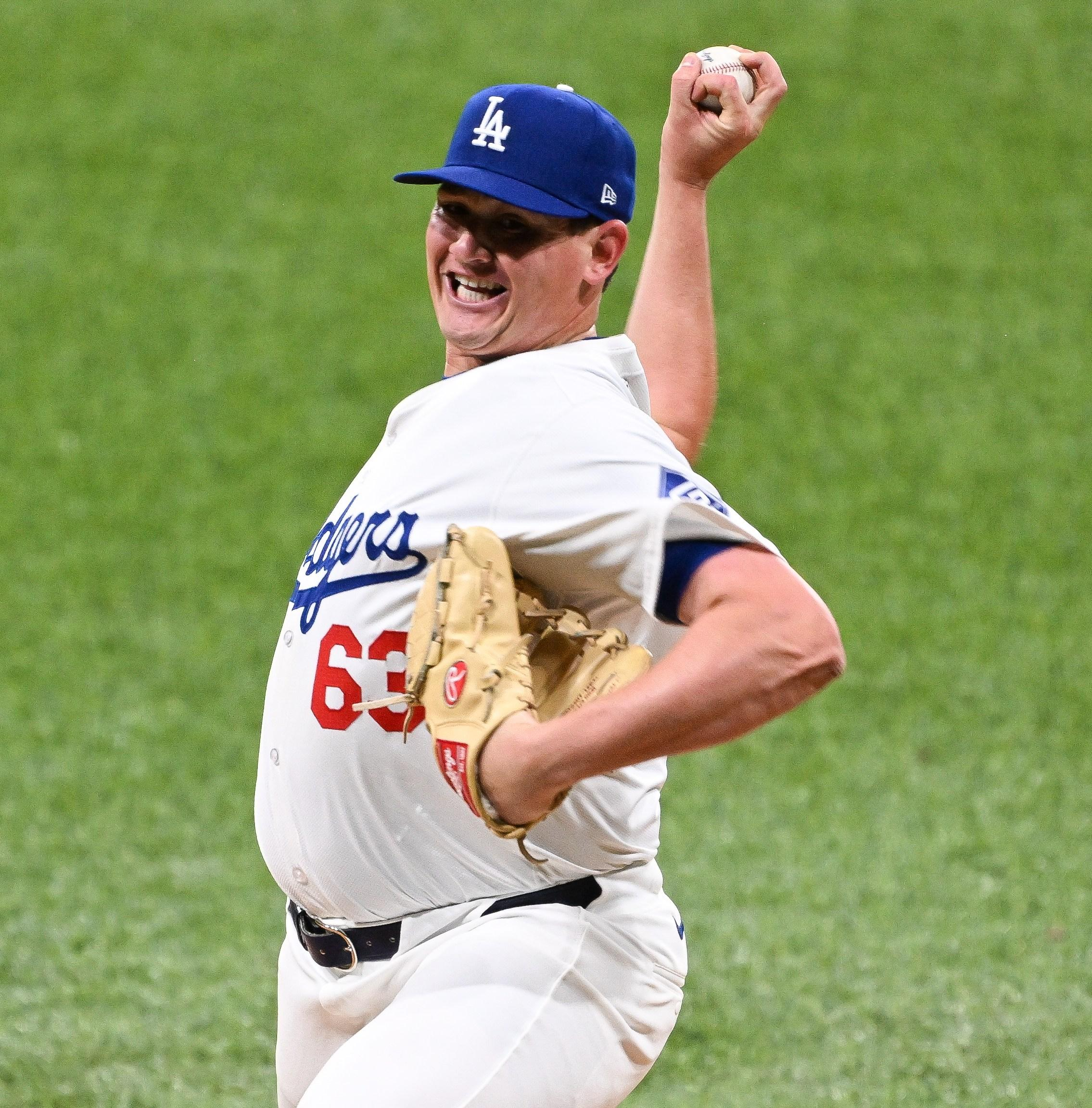
The early stages of the 2026 MLB season have already introduced a familiar storyline for the Los Angeles Dodgers—depth, resilience, and the constant recalibration of a championship-caliber roster. At the center of the latest development is right-handed pitcher Kyle Hurt, whose return to the major league setup comes at a critical moment shaped by injuries, performance fluctuations, and tactical necessity.
Rather than a routine roster move, Hurt’s recall reflects a layered decision influenced by health concerns surrounding key bullpen arms and the organization’s need to stabilize late-game options. It is also a significant milestone in Hurt’s personal trajectory, marking his re-entry into competitive MLB action after a long rehabilitation process.
A Call-Up Driven by Urgency
As the Dodgers prepared for their series against the New York Mets, the addition of Kyle Hurt to the active roster was not incidental—it was strategic. The move coincided with growing uncertainty around All-Star closer Edwin Díaz, whose availability had become a subject of speculation.
Manager Dave Roberts notably declined to confirm Díaz’s readiness for a save situation, signaling internal concern without offering explicit details. In a bullpen ecosystem where defined roles are essential, that ambiguity necessitated immediate reinforcement.
Hurt’s presence provides exactly that: a fresh arm with strikeout capability, recent competitive reps, and familiarity with the Dodgers’ developmental system.
The Long Road Back: Surgery and Rehabilitation
Hurt’s return carries additional weight given the context of his recent absence. The 27-year-old missed the entire 2025 season following Tommy John surgery, a procedure that often defines a pitcher’s career trajectory.
His rehabilitation was methodical:
- Late-season appearances at Triple-A
- Controlled scrimmage participation during October
- Gradual workload increases leading into 2026
This progression was designed not only to rebuild physical strength but also to restore command, velocity consistency, and pitch sequencing—all critical components for a high-leverage reliever.
Spring Training Signals: Encouraging but Incomplete
During Cactus League play, Hurt delivered a strong statistical profile:
- 7.1 innings pitched
- 3 runs allowed
- 6 hits conceded
- 3.68 ERA
- 40% strikeout rate
These numbers suggest more than just recovery—they indicate the potential for impact. A 40-percent strikeout rate, in particular, points to swing-and-miss stuff that can translate into late-inning effectiveness.
However, the transition from controlled spring environments to competitive minor league play revealed inconsistencies.
Triple-A Reality Check
With the Oklahoma City Comets, Hurt’s numbers showed volatility:
- 5.79 ERA in 4.2 innings
- 8 strikeouts
While the strikeout rate remained strong, the elevated ERA reflects challenges with command, sequencing, or situational execution. This contrast highlights a common post-rehabilitation pattern: flashes of dominance paired with uneven performance.
The Dodgers’ decision to recall him despite these metrics underscores a broader evaluation framework—one that prioritizes raw stuff, upside, and immediate bullpen needs over small-sample statistical stability.
Tactical Context: Why Hurt, Why Now?
Several converging factors explain the timing:
1. Bullpen Instability
With Díaz’s status uncertain, the Dodgers require flexibility in late innings. Hurt offers a power arm capable of bridging high-pressure situations.
2. Recent Pitching Workload
A starting pitcher’s inability to pitch deep into games increases bullpen strain. Additional arms become essential to maintain performance consistency across a series.
3. Post-Surgery Readiness Window
After extended recovery, there is a narrow window where pitchers are physically ready but still building rhythm. The Dodgers appear willing to accelerate Hurt’s integration into meaningful games.
First Appearance Snapshot: Mets Game Log
Hurt’s early-season MLB usage provides a limited but informative sample:
- Date: April 15, 2026
- Opponent: New York Mets
- Innings Pitched: 1.0
- Hits Allowed: 2
- Runs / Earned Runs: 1 / 1
- Strikeouts: 3
- Walks: 0
- WHIP: 2.00
- ERA: 9.00
The outing encapsulates both promise and risk. Three strikeouts in a single inning confirm his ability to generate swings and misses, while the hits and run allowed reflect the ongoing process of refining command and execution at the major league level.
Organizational Implications
For the Dodgers, this is not merely about one pitcher—it is about sustaining competitive depth across a long season. The franchise has consistently leveraged internal development to mitigate injuries and maintain performance.
Hurt’s integration fits this pattern:
- Short-term: Provide immediate bullpen coverage
- Mid-term: Evaluate readiness for consistent MLB usage
- Long-term: Determine role within a high-leverage relief structure
If his strikeout profile stabilizes alongside improved command, Hurt could transition from a situational arm into a reliable bullpen contributor.
What Comes Next?
Several trajectories are possible:
- Stabilization Phase: Reduced run allowance with maintained strikeout rate
- Role Expansion: Increased leverage innings if bullpen injuries persist
- Reassignment Scenario: Return to Triple-A if inconsistency continues
The Dodgers’ decision-making will likely remain data-driven, balancing performance metrics with workload management and injury prevention.
Conclusion: A Calculated Gamble with Upside
Kyle Hurt’s return to the Dodgers is neither a ceremonial comeback nor a low-stakes experiment. It is a calculated move shaped by necessity, potential, and timing.
His profile—a high-strikeout pitcher returning from Tommy John surgery—comes with inherent volatility. Yet, in a league where bullpen dominance often determines postseason outcomes, the upside is significant.
For now, Hurt represents both a solution and a question mark. The coming weeks will determine whether he evolves into a dependable asset or remains part of the Dodgers’ ongoing search for bullpen stability.


