

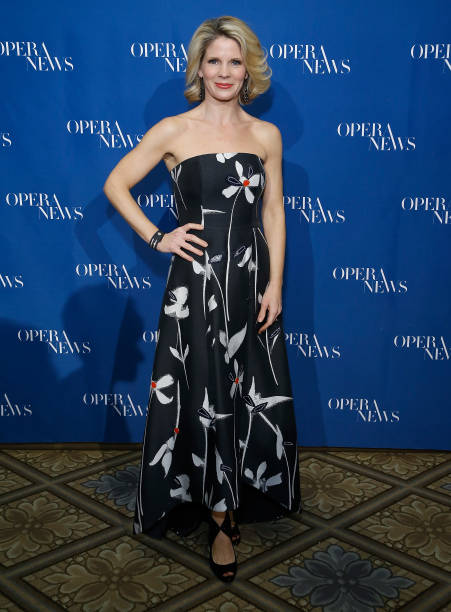
Kelli O’Hara: A Narrative Portrait of Broadway’s Enduring Star
From Classical Roots to Contemporary Relevance
Kelli O’Hara has long occupied a rarefied space in American theater—an artist whose career bridges the elegance of classic musical theater, the rigor of opera, and the evolving demands of modern stage performance. Born on April 16, 1976, O’Hara built her reputation through a disciplined command of voice and character, eventually becoming one of Broadway’s most respected performers.
Her journey is not simply one of steady ascent, but of sustained excellence across decades in an industry known for reinvention. Today, O’Hara stands as both a custodian of theatrical tradition and a dynamic force in contemporary productions.
A Career Defined by Precision and Recognition
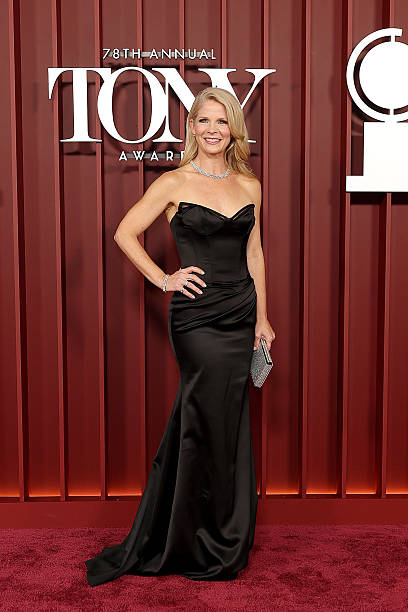
O’Hara’s Broadway résumé reflects both consistency and critical acclaim. An eight-time Tony Award nominee, she has demonstrated remarkable range across productions that span romantic drama, classic revival, and experimental musical storytelling.
Her defining milestone came in 2015, when she won the Tony Award for Best Actress in a Musical for her role as Anna Leonowens in The King and I. That performance solidified her status as one of the leading interpreters of classic repertoire.
Her nominations alone trace a career arc that mirrors Broadway’s evolution:
- The Light in the Piazza (2005)
- The Pajama Game (2006)
- South Pacific (2008)
- Nice Work If You Can Get It (2012)
- The Bridges of Madison County (2014)
- The King and I (2015 – Win)
- Kiss Me, Kate (2019)
- Days of Wine and Roses (2024)
Each role reflects a performer capable of navigating both technical vocal demands and layered emotional storytelling.
The Craft of Performance: Discipline Meets Versatility
O’Hara’s artistry lies in her ability to move seamlessly between mediums. Beyond Broadway, she has established herself in opera and television, reinforcing her reputation as a performer grounded in classical training but unafraid of contemporary experimentation.
Her work is often described in terms of refinement and control—qualities that allow her to handle both lyrical compositions and comedic timing with equal authority. In productions requiring period authenticity, she brings a sense of “born gentility,” embodying characters with natural ease and credibility.
Yet what distinguishes her most is her adaptability. Whether delivering soaring soprano passages or executing physical comedy, O’Hara consistently expands the boundaries of what audiences expect from a Broadway leading lady.
A Return to Comedy: ‘Fallen Angels’ and a New Chapter
In 2026, O’Hara re-emerged in a different theatrical register with the Broadway revival of Noël Coward’s Fallen Angels, staged at the Todd Haimes Theater. The production marked a notable moment in her career, showcasing her comedic instincts alongside her established dramatic strengths.
Starring opposite Rose Byrne, O’Hara plays Julia Sterroll, one half of a pair of upper-class women navigating suppressed desire, social expectations, and chaotic temptation. The narrative unfolds as the characters anticipate the arrival of a former lover, triggering a cascade of emotional and comedic tension.
Critics highlighted O’Hara’s performance as a central pillar of the production’s success. Her portrayal blends restraint with exuberance, moving from poised sophistication to physical comedy—falling over furniture, navigating drunken scenes, and delivering sharp dialogue with precision.
The play itself, first controversial for its candid treatment of female desire, remains strikingly relevant. Its humor, rooted in repression and social tension, provides fertile ground for performers like O’Hara to explore both satire and character depth.
The Dynamics of Collaboration
A defining feature of Fallen Angels is the interplay between O’Hara and her co-star. The production thrives on contrast—Byrne’s bold comedic energy balanced by O’Hara’s nuanced elegance.
This dynamic allows O’Hara to anchor the performance while still embracing the absurdity of Coward’s world. The result is a layered portrayal that moves fluidly between biting wit and theatrical exaggeration.
The production itself—directed by Scott Ellis and supported by an experienced ensemble—demonstrates how classic texts can be revitalized through contemporary interpretation. It also underscores O’Hara’s ability to elevate material often considered secondary within a playwright’s canon.
Cultural Impact and Industry Significance
O’Hara’s career reflects broader trends within the performing arts. At a time when Broadway increasingly blends traditional storytelling with modern sensibilities, her work exemplifies how classical technique can remain relevant.
Her participation in Fallen Angels also highlights the enduring appeal of early 20th-century works. Despite originating in the 1920s, the play’s themes—marital dissatisfaction, suppressed desire, and social performance—continue to resonate with modern audiences.
This continuity reinforces O’Hara’s role not just as a performer, but as a cultural bridge between eras of theater.
Looking Ahead: Longevity in a Demanding Industry
Few performers maintain both critical acclaim and audience appeal over such an extended period. O’Hara’s continued presence on Broadway suggests a career built on adaptability rather than reinvention alone.
Her ability to move between musical theater, opera, and straight plays positions her for continued relevance in an industry that increasingly values versatility. As productions evolve and new forms of storytelling emerge, performers with her breadth of skill are likely to remain in high demand.
Conclusion: A Legacy Still in Motion
Kelli O’Hara’s career is best understood not as a series of isolated achievements, but as an ongoing narrative of artistic refinement. From her Tony-winning performances to her comedic turn in Fallen Angels, she exemplifies the discipline and creativity required to sustain a top-tier career in theater.
Her work continues to shape audience expectations, demonstrating that technical mastery and emotional authenticity are not mutually exclusive. As Broadway evolves, O’Hara remains a defining presence—both a guardian of tradition and a participant in its transformation.


