Met Gala 2026 Theme Explained: How “Costume Art” Redefined Fashion as Living Expression
A Night Where Fashion Became Art
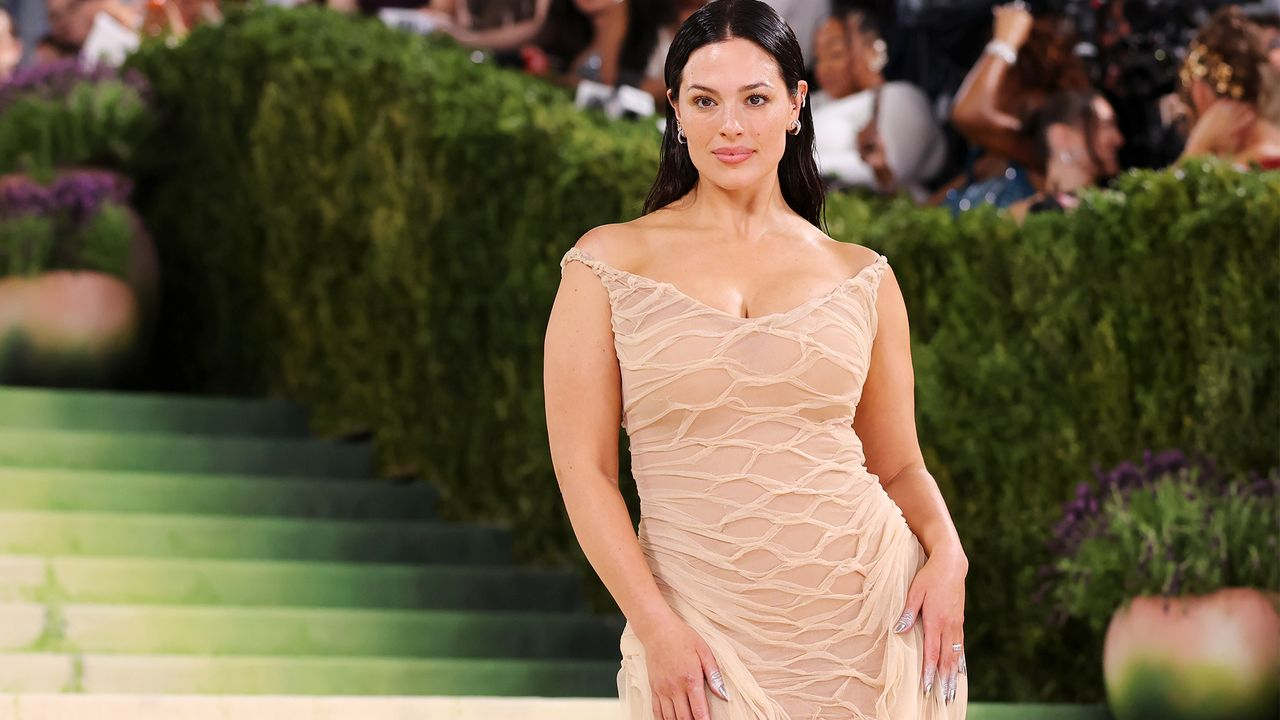
The 2026 Met Gala did more than showcase celebrity style—it reframed the very definition of fashion. Held on May 4, 2026, at New York’s Metropolitan Museum of Art, the event revolved around a striking and intellectually ambitious theme: “Costume Art.”
Paired with the dress code “Fashion Is Art,” the theme encouraged attendees to treat clothing not merely as attire, but as a form of artistic expression—one rooted in history, identity, and the human body itself.
In a year already filled with cultural shifts and high-profile moments, the Met Gala once again proved why it remains the most influential night in global fashion.
The Meaning Behind “Costume Art”
Fashion Meets Fine Art
The 2026 theme, “Costume Art,” is directly tied to the Costume Institute’s spring exhibition of the same name.
According to curatorial insight, the exhibition explores “the centrality of the dressed body in the museum’s vast collection.”
This is not just a fashion showcase—it is a multidisciplinary exploration. The exhibition:
- Pairs garments with historical art objects
- Spans approximately 5,000 years of cultural history
- Draws from multiple departments within the Met
- Examines how clothing has been represented across eras
The result is a conceptual shift: fashion is no longer separate from art—it is positioned as art itself.
The “Fashion Is Art” Dress Code
Interpreting the Human Body as Canvas
The official dress code, “Fashion Is Art,” challenged attendees to go beyond aesthetics and embrace deeper meaning.
Guests were encouraged to:
- Express their personal relationship with fashion
- Treat the body as a living canvas
- Explore identity, transformation, and storytelling through clothing
The exhibition further divided its themes into “body types,” including:
- The “Naked Body”
- The “Classical Body”
- The “Pregnant Body”
- The “Aging Body”
This framework expanded the conversation beyond glamour—introducing inclusivity, diversity, and representation as central themes.
A Cultural Moment on the Red Carpet
Celebrity Interpretations That Defined the Night
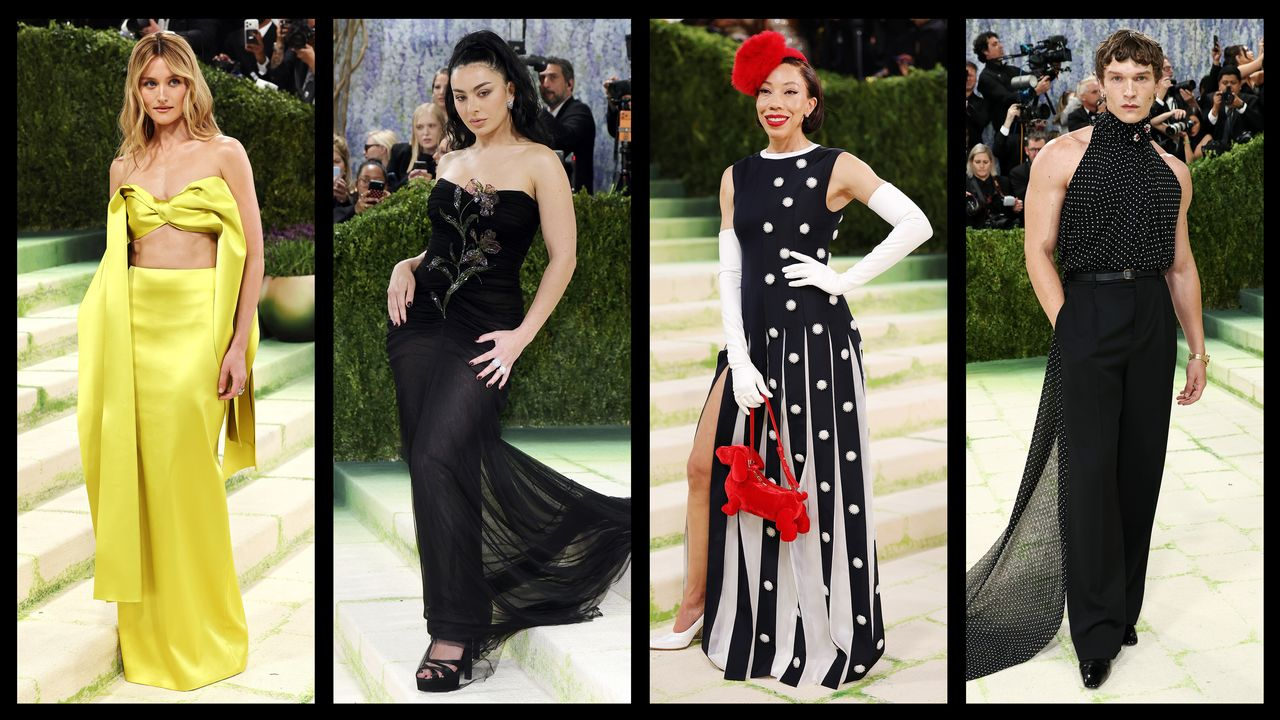
The 2026 Met Gala delivered a series of headline-making appearances that embodied the theme in strikingly different ways.
Cardi B’s surreal transformation stood out as one of the most talked-about looks. Wearing a custom Marc Jacobs gown inspired by artist Hans Bellmer, she transformed her body into a sculptural form. Her candid admission—
“You wanna know a secret? I’m actually sick and I have a fever.”
—added a human layer to an otherwise theatrical presentation, reinforcing the idea that fashion is both performance and personal experience.
Meanwhile, Blake Lively’s appearance delivered a different kind of narrative. Arriving in an archival Versace gown with pastel tones and an elaborate train, she commanded attention not only for her style but for the timing—just hours after a major legal settlement. Her poised moment on the Met steps became symbolic of confidence and control, reflecting how fashion can communicate resilience and identity.
The Broader Evolution of Met Gala Themes
From Designers to Concepts
The Met Gala has long evolved its themes—from designer tributes to conceptual explorations.
Recent years illustrate this shift:
- 2025: “Superfine: Tailoring Black Style”
- 2024: “Sleeping Beauties: Reawakening Fashion”
- 2023: “Karl Lagerfeld: A Line of Beauty”
With “Costume Art,” the Gala moves even further into intellectual territory—bridging fashion with philosophy, art history, and social commentary.
The Scale and Significance of the Event
More Than a Red Carpet
The Met Gala is not just a fashion spectacle—it is a major cultural and financial institution.
- It serves as a fundraiser for the Costume Institute
- The 2025 event raised approximately $31 million, a record in its 77-year history
- The 2026 exhibition occupies 12,000 square feet of gallery space
The event also brought together high-profile figures, with co-chairs including:
- Anna Wintour
- Beyoncé
- Nicole Kidman
- Venus Williams
This blend of fashion, celebrity, and institutional influence underscores the Gala’s global reach.
Why the 2026 Theme Matters
A Shift Toward Identity and Representation
“Costume Art” signals a broader cultural shift in fashion:
- Fashion as Narrative
Clothing becomes a storytelling medium reflecting personal and societal identity. - Inclusion of Diverse Bodies
By highlighting different body types, the theme challenges traditional beauty standards. - Integration of Art and Fashion
The boundaries between disciplines continue to blur, elevating fashion’s cultural status. - Audience Engagement
With live streams across platforms like YouTube and TikTok, the Gala reaches a global audience in real time.
The Future of Met Gala Themes
Where Does Fashion Go From Here?
If 2026 is any indication, future Met Gala themes will likely continue to:
- Explore interdisciplinary ideas
- Emphasize cultural and historical depth
- Encourage bold, conceptual interpretations
The success of “Costume Art” suggests that audiences are ready for fashion that challenges, provokes, and inspires—not just dazzles.
Conclusion: When Style Becomes Statement
The 2026 Met Gala theme “Costume Art” marks a pivotal moment in fashion history. By merging art, identity, and design, it transforms the red carpet into a living gallery—where every look tells a story and every garment becomes a statement.
From Cardi B’s surreal artistry to Blake Lively’s symbolic confidence, the night demonstrated that fashion is no longer just about what we wear—it’s about what we express.
And in 2026, that expression reached a new level of depth.