


The Federal Communications Commission: Power, Politics, and the Battle Over America’s Airwaves
A Regulator at the Center of a National Debate
The Federal Communications Commission (FCC) has long served as the gatekeeper of the United States’ broadcast landscape—overseeing television, radio, and telecommunications to ensure they operate in the “public interest.” Yet in 2026, the agency finds itself at the heart of an unusually intense political and legal storm, raising fundamental questions about media regulation, free speech, and government authority.
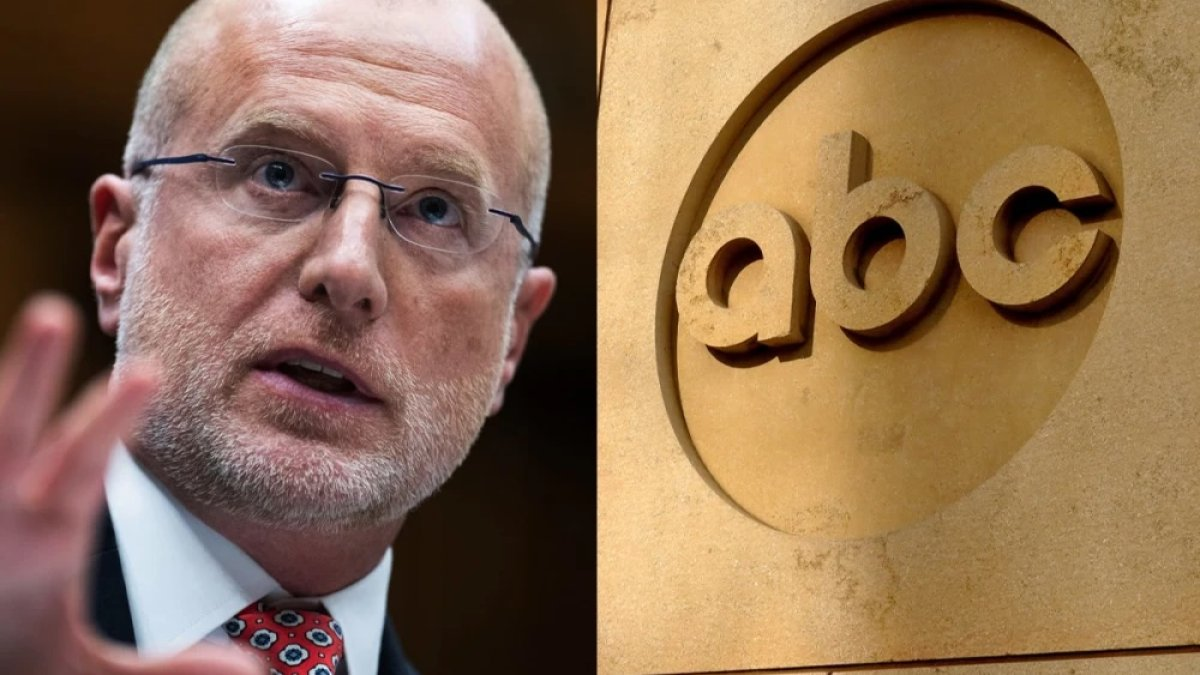
Recent actions involving The Walt Disney Company’s ABC television stations have thrust the FCC into the spotlight, highlighting both its regulatory power and the controversies that can arise when media, politics, and public policy collide.
What the FCC Does—and Why It Matters
At its core, the FCC regulates interstate and international communications by radio, television, wire, satellite, and cable. One of its most consequential responsibilities is issuing and renewing broadcast licenses—permissions that allow television and radio stations to operate legally.
These licenses are not permanent. Broadcasters must periodically renew them, demonstrating compliance with federal rules and proving they serve the public interest. In rare cases, the FCC can revoke or deny renewal of a license, effectively silencing a station.
“It has been 40 years since the FCC revoked a broadcast television license,” former FCC Chairman Tom Wheeler noted, underscoring just how unusual such actions are.
The Disney Case: An Unprecedented Intervention
In April 2026, the FCC took a striking step: it ordered eight Disney-owned local television stations—including major markets like New York, Chicago, San Francisco, Philadelphia, and Houston—to file for early license renewals years ahead of schedule.
Ordinarily, these licenses would not be up for renewal until at least 2028. But the FCC argued that accelerating the process was “essential within the meaning of agency regulations” under the Communications Act’s public interest standard.
If the renewals are denied, the stations could lose their ability to broadcast entirely—a scenario with major implications for millions of viewers and the broader media ecosystem.
The Controversy Behind the Decision
The FCC’s move is tied to a broader, yearlong investigation into Disney’s diversity, equity, and inclusion (DEI) practices. However, the timing of the decision has drawn scrutiny.
Sources indicate the process was fast-tracked following remarks by ABC late-night host Jimmy Kimmel, who made a controversial joke about first lady Melania Trump during a White House Correspondents’ Dinner parody.
Kimmel defended his comments, stating:
“I agree that hateful and violent rhetoric is something we should reject,” adding that his remarks were intended as a light roast.
The reaction from political figures was swift. Melania Trump criticized the remarks as “hateful and violent rhetoric,” while President Donald Trump called for Kimmel’s dismissal, intensifying pressure on ABC and its parent company, Disney.
Free Speech Concerns and Legal Pushback
The FCC’s actions have triggered a wave of criticism from free speech advocates, media organizations, and even within the agency itself.
“The FCC is neither the journalism police nor the humor police,” said Seth Stern of the Freedom of the Press Foundation, describing the move as an attempt to intimidate a broadcaster.
Others have gone further, framing the situation as a constitutional issue. Critics argue that using regulatory authority in response to controversial speech risks violating First Amendment protections.
Anna M. Gomez, the FCC’s lone Democratic commissioner, called the action “the most egregious action this FCC has taken in violation of the First Amendment to date,” warning that it represents “an unprecedented and politically motivated attempt to interfere with how broadcasters operate.”
The Broader Regulatory Landscape
The Disney case is not happening in isolation. It reflects a broader shift in how the FCC is approaching its authority over broadcast content.
Recent disputes have centered on the agency’s “news distortion” policy—a controversial framework that allows the FCC to investigate whether broadcasters are presenting biased or misleading information. Critics argue that this policy can be used to “chill” free speech by threatening stations with license revocation.
A coalition of former FCC officials and media organizations has even taken legal action, asking a federal appeals court to force the agency to clarify or repeal the policy. They warn that uncertainty around enforcement could undermine journalistic independence and weaken the role of the press as a watchdog.
Disney’s Response and the Stakes for Broadcasters
Disney has pushed back firmly against the FCC’s actions. In a statement, the company emphasized its compliance record:
“We are confident that record demonstrates our continued qualifications as licensees under the Communications Act and the First Amendment and are prepared to show that through the appropriate legal channels.”
The outcome of this dispute could set a powerful precedent. If the FCC successfully enforces early renewals—or denies them—it could reshape how broadcasters approach editorial decisions, corporate policies, and political content.
For local stations, the stakes are existential. Losing a license means going off the air entirely.
A Defining Moment for Media Regulation
The FCC’s handling of the Disney case highlights a critical tension in modern media governance: balancing regulatory oversight with the constitutional protections of free expression.
On one hand, the FCC is tasked with ensuring broadcasters serve the public interest. On the other, critics argue that aggressive enforcement—especially when tied to political controversies—risks turning regulation into a tool of influence.
The debate is no longer theoretical. It is playing out in real time, involving some of the largest media companies in the world and reaching the highest levels of government.
What Comes Next?
As the FCC review process unfolds, several key questions remain:
- Will Disney’s stations successfully renew their licenses?
- Will courts intervene to limit or clarify the FCC’s authority?
- Could this case redefine the relationship between government regulators and media organizations?
Whatever the outcome, the implications will extend far beyond a single company or controversy. They will shape how information is produced, distributed, and regulated in one of the world’s most influential media markets.
Conclusion: The FCC’s Expanding Role in a Divided Media Era
The Federal Communications Commission has always played a critical role in managing the airwaves. But in today’s polarized environment, its decisions carry heightened significance.
The ongoing dispute involving Disney, ABC, and the Kimmel controversy underscores just how powerful—and contentious—the FCC’s authority can be. As legal battles loom and political tensions persist, the agency’s actions may ultimately redefine the boundaries between regulation, free speech, and media independence.


