Why a Late-Night Joke Sparked a National Debate
A single joke delivered on late-night television has escalated into a high-stakes confrontation involving the White House, the Federal Communications Commission (FCC), and one of America’s largest media companies. At the center of the controversy is comedian Jimmy Kimmel, whose remarks about former First Lady Melania Trump ignited backlash from President Donald Trump and triggered a broader debate over free speech, political power, and media regulation.
What began as a satirical monologue has now evolved into a complex dispute touching on censorship concerns, regulatory authority, and even questions about age—both as a comedic subject and a political flashpoint.
The Joke That Started It All
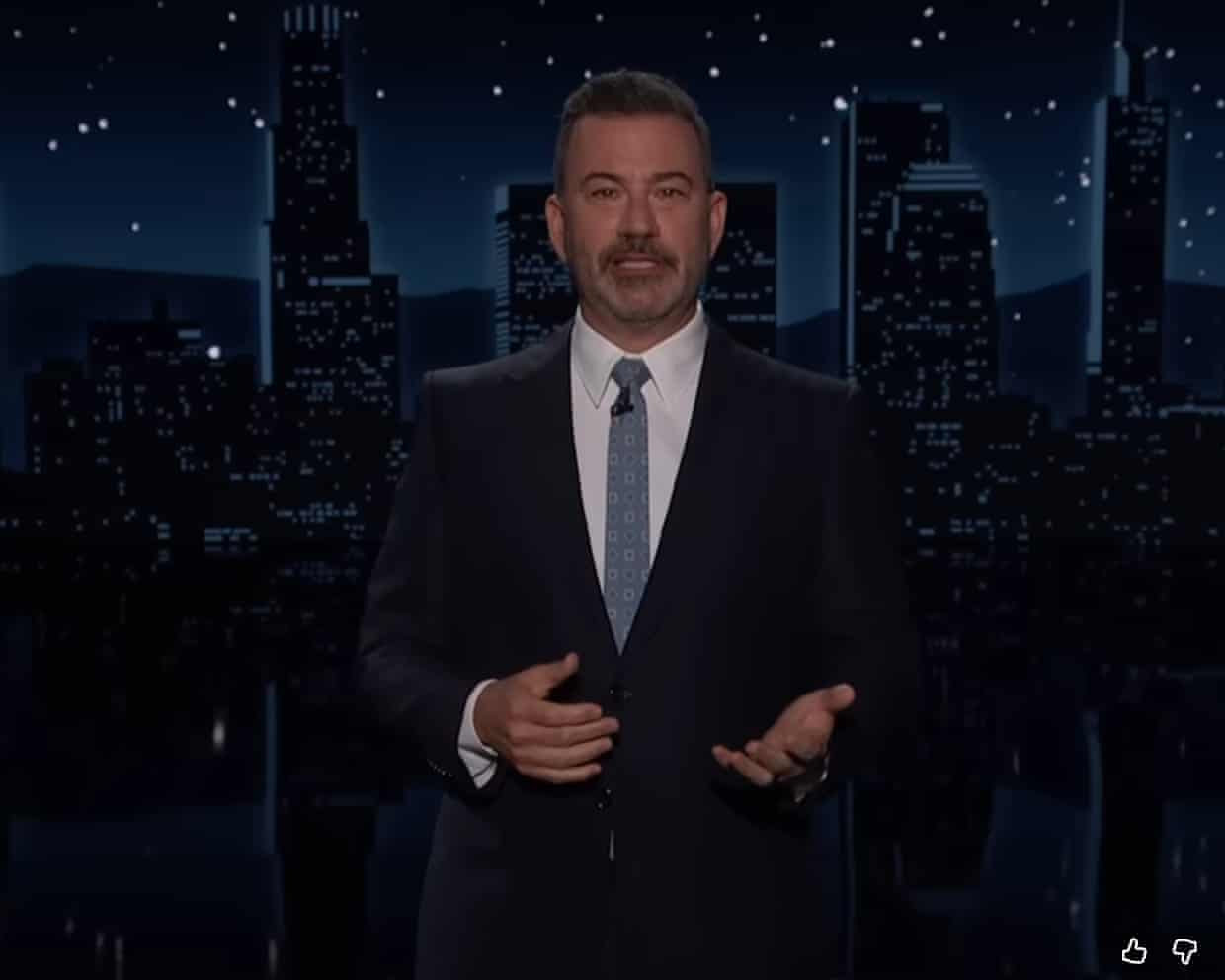
The controversy stems from a segment aired on “Jimmy Kimmel Live!” ahead of the White House Correspondents’ Dinner. During the show, Kimmel joked that Melania Trump had a “glow like an expectant widow,” a remark that quickly drew sharp criticism from both the former First Lady and President Trump.
Trump labeled the joke inappropriate and called for Kimmel to be fired. The backlash intensified following a security incident at the Correspondents’ Dinner, where a suspect allegedly attempted to enter the venue armed, raising tensions around rhetoric and public safety.
Kimmel, however, stood by his remarks, insisting they were misinterpreted.
“It was not, by any stretch of the definition, a call to assassination,” he said, emphasizing that the joke was intended as satire.
He clarified that the humor was rooted in the age difference between Donald and Melania Trump—not violence.
Age Becomes the Central Theme
The debate quickly shifted toward the subject of age, which became both the basis of Kimmel’s defense and a point of irony in the broader exchange.
Donald Trump is 79 years old, while Melania Trump is 56, a nearly 24-year age gap that Kimmel cited as the foundation of his joke.
Kimmel leaned into this argument, describing the joke as:
“a very light roast joke about the fact that he’s almost 80 and she’s younger than I am.”
He later pointed out what he viewed as hypocrisy when Trump himself made a humorous remark about his own age during a White House event:
“Only Donald Trump would demand I be fired for making a joke about his old age and then a day later go out and make a joke about his own old age.”
This exchange transformed a comedic dispute into a broader commentary on political sensitivity and selective outrage.
FCC Enters the Picture
The situation escalated dramatically when the FCC intervened—not directly against Kimmel, but against ABC, the network that airs his show.
The commission ordered Disney, ABC’s parent company, to seek early renewal of broadcast licenses for eight television stations—years ahead of schedule.
FCC Chair Brendan Carr framed the move as part of the agency’s responsibility to ensure broadcasters operate in the “public interest,” suggesting that licenses can be reviewed if concerns arise.
However, the timing raised eyebrows. The order came shortly after Trump publicly criticized Kimmel and ABC, leading many analysts to interpret the action as politically motivated.
Experts and critics argue that the move represents an escalation in the administration’s long-standing tension with media organizations.
Free Speech vs Government Oversight
The FCC’s involvement has triggered a wave of criticism from lawmakers, legal experts, and media advocates.
Democratic officials and First Amendment defenders warn that using regulatory tools in response to content risks undermining press freedom.
One critic described the action as:
“the most egregious action this FCC has taken in violation of the First Amendment to date.”
Media lawyers and analysts have also characterized the process as a form of pressure, noting that license reviews can take years and create significant financial and legal burdens for broadcasters.
Even some conservatives have expressed concern. Senator Ted Cruz, for instance, emphasized that the government should not act as a “speech police.”
Political Reactions: A Divided Response
The controversy has drawn responses across the political spectrum.
Republican Congressman James Comer defended Kimmel’s right to perform comedy, despite criticizing the tone of the joke:
“At the end of the day, he has a right to do that… If they don’t like it, they can turn the channel.”
Meanwhile, Trump allies have continued to accuse Kimmel of crossing a line, particularly given the timing of the attempted attack at the Correspondents’ Dinner.
On the other side, civil liberties advocates argue the FCC’s actions could set a dangerous precedent, potentially enabling political leaders to pressure media organizations through regulatory means.
Disney and ABC Push Back
Disney has responded firmly, stating that it operates “in full compliance with FCC rules” and is prepared to defend its position through legal channels.
Analysts widely expect the company to challenge any attempt to revoke or limit its broadcast licenses, citing strong First Amendment protections.
The legal battle, if it proceeds, could take years and may ultimately define the boundaries of government authority over media content in the United States.
Jimmy Kimmel’s Position: “The Show Goes On”
Despite the political and regulatory pressure, Kimmel has remained defiant.
Rather than directly addressing the FCC’s actions in detail, he continued his usual satirical commentary, signaling that he does not intend to change course.
His stance reflects a broader tradition of late-night television as a platform for political satire—often pushing boundaries and provoking strong reactions.
The Bigger Picture: Media, Power, and Public Discourse
This controversy is about more than a single joke. It highlights deeper tensions between political leadership and media institutions in an era of heightened polarization.
At its core, the dispute raises critical questions:
- Where is the line between satire and offense?
- Should government agencies respond to media content?
- How far can regulatory power extend without infringing on free speech?
The answers to these questions will likely shape the future relationship between politics and media in the United States.
Conclusion: A Defining Moment for Free Expression
The clash between Jimmy Kimmel and Donald Trump has evolved into a defining moment in the ongoing debate over free expression and government influence.
What started as a joke about age has triggered a cascade of political reactions, regulatory actions, and legal scrutiny. As the FCC’s review unfolds and public debate intensifies, the outcome could have lasting implications for broadcasters, comedians, and the broader media landscape.
For now, one thing remains clear: in the intersection of comedy and politics, even a single line can carry far-reaching consequences.


