


Trump Age: Why the President’s Years Are Back at the Center of Political Debate
Introduction: Age as a Political Flashpoint
At 79 years old, President Donald Trump’s age has once again become a focal point of national conversation—this time not through policy discussions or campaign scrutiny, but through a collision of late-night comedy, political rhetoric, and a real-world security scare.
What might have been a routine comedic jab about the age difference between Trump and First Lady Melania Trump quickly escalated into a broader cultural and political controversy. The debate now stretches far beyond humor, touching on issues of free speech, political tone, and the increasingly sensitive intersection between public figures’ personal characteristics and national discourse.
The Numbers Behind the Debate: Trump’s Age and Family Dynamics
Donald Trump, currently 79 years old, is significantly older than his wife Melania Trump, who is 56—a 24-year age gap that has frequently been referenced in both political commentary and popular culture.
The couple met in 1998 and married in 2005, and their age difference has occasionally surfaced in public remarks—even from Trump himself.
During a recent event with King Charles III, Trump joked about the longevity of his parents’ marriage:
“That’s a record we won’t be able to match, darling… We’ll do well, but we’re not gonna do that well.”
The comment, delivered in a lighthearted tone, underscored a recurring theme: Trump’s age is not just a political statistic—it is part of his public persona.
The Kimmel Controversy: When Humor Meets Politics
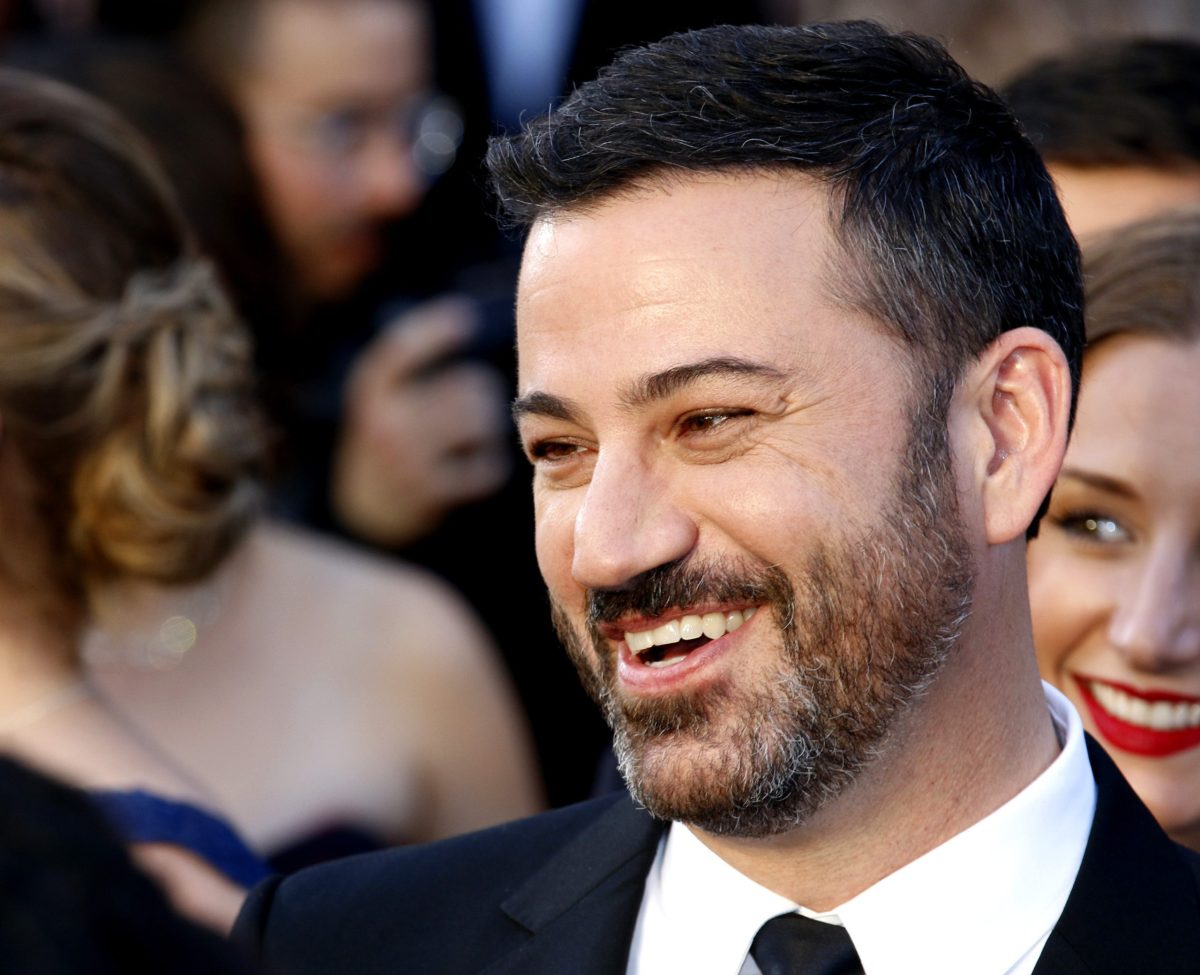
The latest controversy erupted after late-night host Jimmy Kimmel delivered a joke during a mock White House Correspondents’ Dinner monologue. In the segment, he quipped that Melania Trump had “a glow like an expectant widow.”
The remark was interpreted by critics—particularly Trump and his allies—as crossing a line.
President Trump responded forcefully, calling the joke a “despicable call to violence” and demanding that Kimmel be fired.
Melania Trump echoed the criticism, stating:
“His monologue about my family isn’t comedy — his words are corrosive and deepens the political sickness within America.”
However, Kimmel firmly rejected the accusation, clarifying the intent behind the joke:
“It was a very light roast joke about the fact that he’s almost 80 and she’s younger than I am.”
He added:
“It was not, by any stretch of the definition, a call to assassination.”
A Dangerous Backdrop: The Assassination Attempt
The situation intensified dramatically following a real-world incident at the White House Correspondents’ Dinner.
A 31-year-old suspect, Cole Tomas Allen, allegedly attempted to breach security with weapons, prompting an evacuation of the president and attendees. He was later charged with attempting to assassinate the president.
This event transformed what might have remained a media dispute into a high-stakes national conversation. Critics argued that inflammatory rhetoric—whether comedic or political—could contribute to an environment where violence becomes more likely.
White House press secretary Karoline Leavitt described Kimmel’s remarks as “completely deranged,” warning that such language can have real-world consequences.
Age, Power, and Perception in American Politics
Trump’s age is not merely a personal detail—it is a factor with broader implications in governance and public perception.
1. Leadership Longevity
At nearly 80, Trump is among the oldest individuals to hold the presidency. This raises questions about stamina, decision-making, and long-term leadership capacity—topics that are increasingly relevant in modern politics.
2. Generational Contrast
The 24-year age gap between Trump and Melania amplifies public fascination, often serving as a shorthand for discussions about generational differences in values, lifestyle, and public image.
3. Cultural Symbolism
In media and entertainment, age has become a symbolic tool—used to critique, satirize, or humanize political figures. The Kimmel incident illustrates how quickly such symbolism can become politically charged.
The Free Speech Debate
Beyond age itself, the controversy has reignited a fundamental American debate: where is the line between free expression and harmful rhetoric?
Kimmel defended his right to make the joke, emphasizing constitutional protections:
“Under the First Amendment, we have… a right to free speech.”
At the same time, he acknowledged the seriousness of the attempted attack:
“Just because no one got killed doesn’t mean it wasn’t traumatic and scary.”
This duality reflects the broader tension in American discourse—balancing openness with responsibility.
When Trump Turns the Joke on Himself
Interestingly, Trump himself has not shied away from referencing his age.
In recent remarks, he joked about his own mortality in relation to his marriage, drawing laughter from audiences and highlighting a more self-aware side of his public persona.
This complicates the narrative: while Trump criticizes others for age-related jokes, he occasionally engages in similar humor himself.
Conclusion: More Than Just a Number
The renewed focus on “Trump age” reveals how a simple fact—being 79 years old—can evolve into a multifaceted issue spanning politics, media, and culture.
What began as a comedic observation has grown into a national conversation about:
- the limits of satire
- the impact of rhetoric
- the realities of aging leadership
- and the fragile balance between humor and harm
As the political climate remains tense, Trump’s age will likely continue to be both a talking point and a symbol—used by supporters and critics alike to frame broader debates about leadership, legacy, and the future of American politics.


