

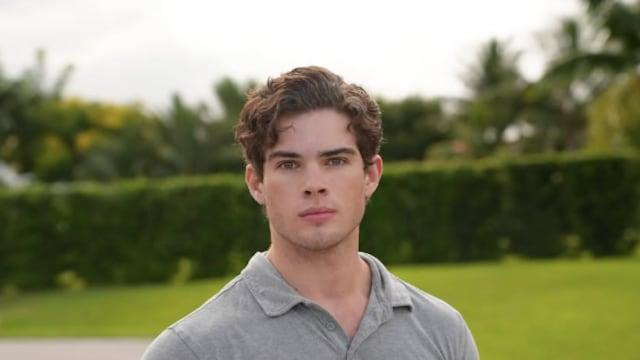
Clavicular: The Rise, Collapse, and Consequences of a Viral Persona
A Story of Influence in the Age of Extremes
In the rapidly evolving ecosystem of livestreaming and social media, few figures encapsulate the volatility of modern internet fame as sharply as Braden “Clavicular” Peters. At just 20 years old, the controversial streamer has become a lightning rod for debates around masculinity, mental health, and the limits of online influence.
His rise was fueled by a provocative ideology known as “looksmaxxing”—a concept that pushes physical self-optimization to extreme and often dangerous limits. But his recent hospitalization following a suspected overdose during a livestream has shifted the conversation. What once appeared to be shock-driven entertainment now raises urgent questions about exploitation, vulnerability, and the consequences of digital notoriety.
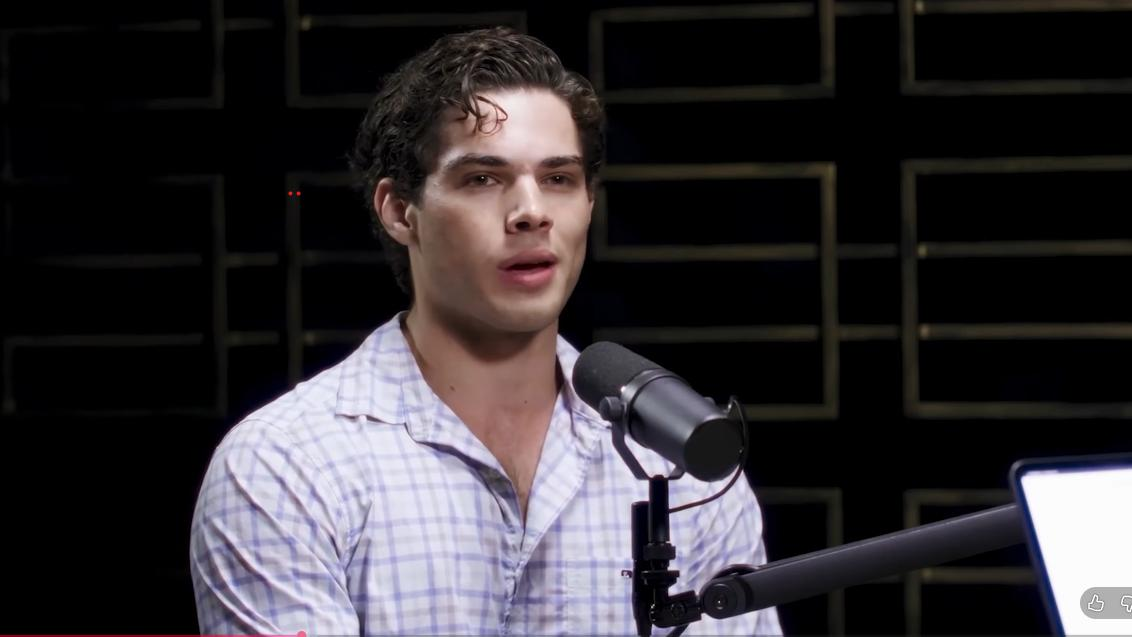
The Architecture of “Looksmaxxing”
At the core of Clavicular’s influence is a belief system that prioritizes physical attractiveness as the defining factor in success, relationships, and social value.
“Looksmaxxing,” as promoted in his content, goes far beyond grooming or fitness. It includes extreme practices such as:
- Bone modification (“bone smashing”) to alter facial structure
- Use of pharmaceuticals, including steroids
- Reports of microdosing meth to enhance performance and appearance
Clavicular has been notably transparent about these practices, often broadcasting himself while under the influence of substances. This transparency, while controversial, contributed to his rapid growth among young audiences navigating insecurities in a hyper-visual digital culture.
He frames attractiveness not as an advantage, but as a necessity—arguing that physical appearance dictates how personality, intelligence, and character are perceived. This idea, tied to the psychological concept of the “Halo Effect,” resonates strongly with audiences already struggling with self-image.
A Defining Moment: The 60 Minutes Australia Interview
Clavicular’s growing influence reached mainstream attention during a tense interview with Adam Hegarty on 60 Minutes Australia.
The exchange exposed the fundamental divide between Clavicular’s worldview and broader societal values.
When asked why he resonates with young men, Clavicular responded:
“If you’re not physically attractive, then you won’t really be able to have lasting relationships… you’re treated differently right off the bat because of something called ‘The Halo Effect.’”
Hegarty challenged this perspective directly, arguing:
“Character, personality, maturity, [and] intelligence are far more important than appearance.”
The tension escalated as the interview progressed, culminating in Clavicular removing his microphone and walking out—an outcome that many interpreted as symbolic of the fragility underlying his ideology.
The interview became widely discussed online, not only for its confrontation but for what it revealed: a young influencer whose philosophy, while loudly asserted, struggled under sustained scrutiny.
The Livestream That Changed Everything
The turning point came shortly after.
While streaming live from Miami, Clavicular appeared visibly impaired. Viewers watched as he began to doze off mid-stream, initially dismissed by those around him as intoxication. Concern quickly escalated as his condition worsened.
The livestream abruptly ended.
Shortly afterward, reports emerged that:
- An ambulance was called to the scene
- He was transported to a hospital for emergency treatment
- The incident was widely described as a suspected overdose
Later updates indicated that he was in stable condition, but the incident reverberated across social media.
For many viewers—particularly younger audiences accustomed to consuming unfiltered livestream content—the event blurred the line between entertainment and real-world crisis. What unfolded was not scripted drama, but a public medical emergency broadcast in real time.
The Broader Context: Fame, Risk, and Digital Incentives
Clavicular’s trajectory is not an isolated case. It reflects a broader structural dynamic within modern content platforms.
1. The Economics of Attention
Livestreaming rewards escalation. The more extreme the content, the higher the engagement. This creates a feedback loop where creators feel compelled to push boundaries—sometimes at the expense of their safety.
2. The Role of Clip Culture
Even without massive live audiences, creators like Clavicular achieve visibility through “clip farming,” where short, viral segments circulate widely across platforms. This amplifies influence beyond the original broadcast.
3. Vulnerable Audiences
Clavicular’s content primarily targets young men navigating identity, self-worth, and relationships. His message—framed as harsh truth—can reinforce insecurities rather than resolve them.
He himself acknowledged this risk during the interview:
“It could send people into spirals, give them severe body dysmorphia… but it’s just a reality pill that needs to be out there.”
Controversies Beyond the Screen
Clavicular’s public profile extends beyond ideology and streaming antics.
Recent developments include:
- An arrest in Florida on misdemeanor battery charges
- Allegations of provoking and exploiting altercations for content
- Investigation by wildlife authorities related to a video involving an alligator
- Associations with controversial online figures such as Andrew Tate
These incidents reinforce a pattern: the blending of spectacle, provocation, and real-world consequences.
From Subculture to Mainstream Debate
What began as a niche online movement has now entered mainstream discourse.
The visibility of Clavicular—and the reaction to his actions—has sparked wider conversations around:
- The normalization of body modification among young men
- The commercialization of insecurity
- The ethical responsibility of platforms hosting extreme content
- The psychological impact of algorithm-driven validation systems
In previous generations, body dysmorphia often remained private. Today, it is monetized, broadcast, and in some cases, celebrated.
What Comes Next?
Clavicular’s future remains uncertain. His hospitalization may mark a turning point—or simply another chapter in a career built on escalation.
However, the broader implications are already clear.
The digital environment that enabled his rise continues to reward similar behavior. New creators will likely adopt, adapt, and amplify these tactics unless structural changes occur within platforms and audience expectations.
At the same time, increased scrutiny from media, regulators, and the public suggests that tolerance for such content may be shifting.
Conclusion: A Case Study in Modern Internet Culture
Clavicular represents more than a controversial influencer. He is a case study in how digital systems shape identity, reward extremity, and expose vulnerability at scale.
His story illustrates a critical tension at the heart of modern media:
- The demand for authenticity versus the pressure to perform
- The pursuit of visibility versus the cost of exposure
- The promise of influence versus the risk of self-destruction
As audiences continue to engage with content that blurs these lines, the question is no longer just about Clavicular—but about the ecosystem that made him possible.


