


Bloemendaal Under the Spotlight: Affluence, Controversy, and Community Pressures
A Municipality Balancing Prestige and Pressure
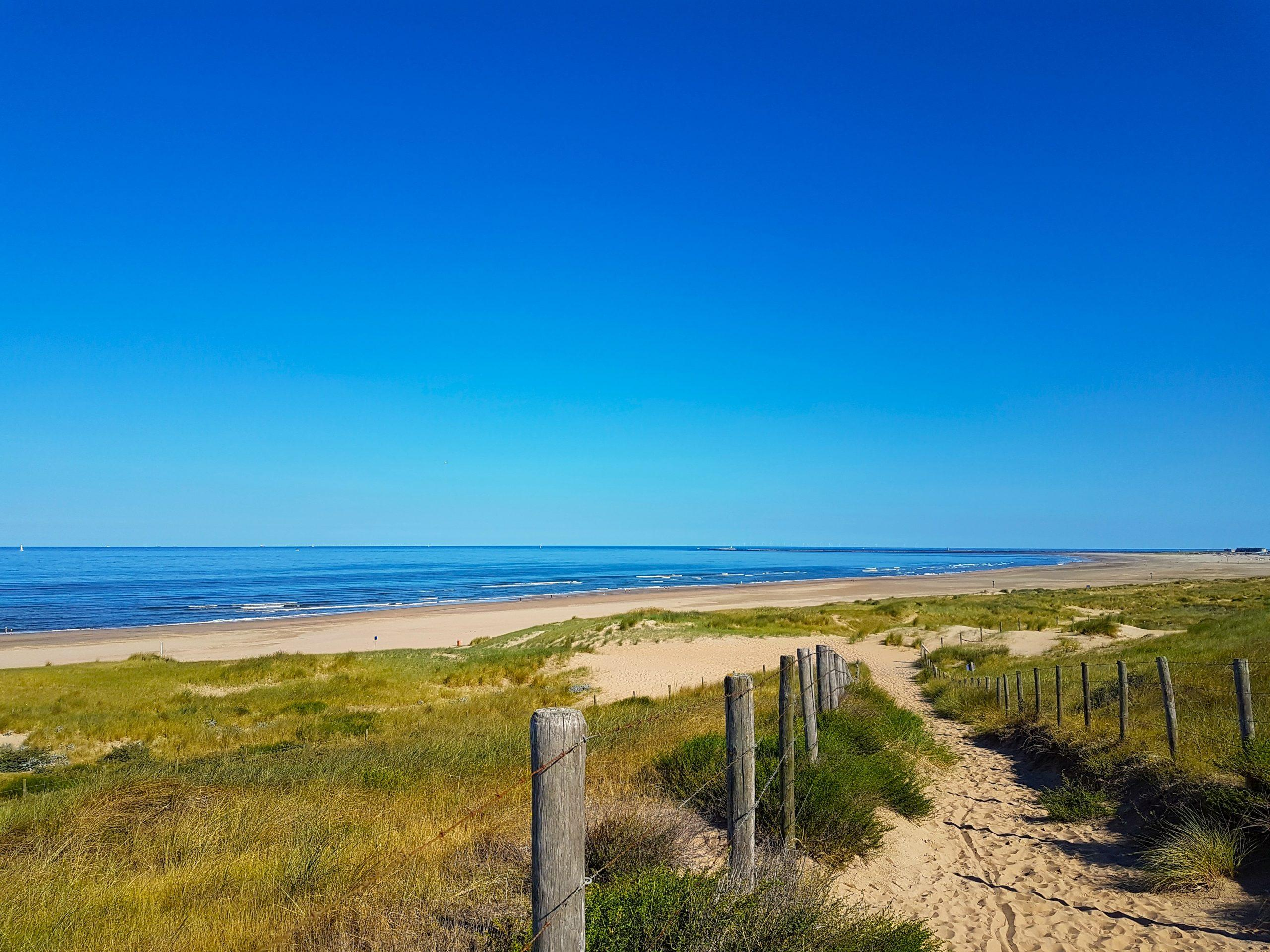
The Dutch municipality of Bloemendaal has long been associated with affluence, scenic coastal landscapes, and a reputation as one of the most desirable residential areas in the Netherlands. Nestled near Haarlem and stretching toward the North Sea coast, it blends historic village charm with high-end living, attracting prominent residents and maintaining a relatively small, tightly knit population.
Yet recent developments reveal a more complex picture. From political controversy to rising burglary rates and sporting disappointments, Bloemendaal is experiencing a period of heightened scrutiny that challenges its traditionally tranquil image.
Political Turmoil: Allegations Shake Local Governance
A Respected Figure Under Fire
One of the most significant recent developments centers on local politics. Long-serving council member Gerard Metselaar has come under intense public scrutiny following accusations of alcohol abuse made by former party leader Marielys Roos.
The allegations triggered what observers describe as “great commotion” within the municipality. Metselaar, now in his seventies, has reportedly withdrawn to his home, deeply affected by the situation. The emotional toll has been compounded by the public nature of the accusations.
Claims of “Character Assassination”
In a notable show of solidarity, council members from nearly all other political parties in Bloemendaal have rallied behind Metselaar. Their response has been unusually unified, with several labeling the accusations as “character assassination.”
This reaction underscores the broader implications of the case. Beyond individual accountability, the controversy raises questions about political conduct, internal party dynamics, and the boundaries between personal allegations and public responsibility.
Rising Security Concerns: Burglaries Defy National Trends
A Local Increase Amid National Decline
While the Netherlands has seen a steady decline in home burglaries over the past thirteen years, Bloemendaal stands out as an exception. According to comparative data, the municipality recorded a 7 percent increase in burglaries.
This divergence from the national trend has attracted attention, particularly given Bloemendaal’s status as a wealthy municipality—a factor often linked to higher burglary risks.
Statistical Snapshot
- 7.7 out of every 1,000 households in Bloemendaal experienced a burglary last year
- The previous year recorded 7.2 per 1,000 homes, indicating a noticeable rise
- Only 3.7 percent of cases were solved, highlighting enforcement challenges
Nationwide, the situation is similarly concerning in terms of resolution rates. Just over four percent of burglary cases lead to arrests, and in nearly six out of ten municipalities, no cases are solved at all.
Behavioral Factors Amplifying Risk
Research suggests that homeowner behavior plays a critical role in vulnerability. A significant portion of residents across the Netherlands fail to implement basic security measures:
- Four out of ten people take no anti-burglary precautions
- One in eighteen do not lock their doors when leaving
- One in eleven leave doors unlocked at night
- One in six still hide keys under doormats or flowerpots
These habits increase exposure to opportunistic crimes, even in affluent areas like Bloemendaal.
Insurance Implications
Security lapses also carry financial consequences. As noted by industry expert Marco Schuurman, insurers may deny claims if there are no signs of forced entry. In practical terms, homeowners who neglect basic precautions risk bearing the full cost of burglary-related damage.
Sporting Setbacks: Bloemendaal’s Hockey Struggles
A Season Falling Short of Expectations
Bloemendaal is also known for its strong presence in Dutch field hockey, particularly through its elite club competing in the top league. However, recent performances have raised concerns about the team’s trajectory.
In a decisive match, Bloemendaal suffered a 4–1 defeat against league leaders Oranje-Rood. The loss has significant implications for their playoff ambitions.
League Position and Challenges Ahead
- Bloemendaal currently sits sixth in the league
- Only the top four teams qualify for the playoffs
- The team has recorded six defeats in eighteen matches
- Key upcoming fixtures include difficult away games against top rivals
Despite entering the season as one of the favorites, the team now faces an uphill battle to secure a playoff spot. Notably, Bloemendaal had not finished outside the top four in a decade, making this season’s performance particularly striking.
A Community at a Crossroads
Contrasts Within a Prestigious Municipality
The convergence of political controversy, rising crime concerns, and sporting struggles paints a nuanced picture of Bloemendaal. While its wealth and location continue to define its identity, these recent developments highlight underlying tensions that challenge the perception of stability.
The municipality remains a place of high living standards, but it is also navigating issues that resonate far beyond its borders—governance accountability, public safety, and competitive performance in national sports.
What Comes Next for Bloemendaal?
Looking ahead, several factors will shape Bloemendaal’s trajectory:
- Political resolution: Whether the allegations surrounding Gerard Metselaar lead to formal consequences or reconciliation
- Security improvements: Increased awareness and preventive measures could help reverse burglary trends
- Sporting recovery: The hockey team’s ability to regain form will influence local morale and national perception
Bloemendaal’s experience reflects a broader reality: even the most prosperous communities are not immune to disruption. How it responds to these challenges will determine whether it reinforces its reputation—or redefines it.
Conclusion
Bloemendaal stands at an inflection point. Known for its elegance and exclusivity, it now faces a series of developments that test its resilience. From political disputes to public safety concerns and sporting setbacks, the municipality is confronting issues that require coordinated responses from leadership, residents, and institutions alike.
The coming months will be critical in shaping not only Bloemendaal’s internal dynamics but also its image within the Netherlands.


