


Belgium’s Fuel Price Pressure: Why Petrol Costs Are Rising and What It Means
A New Wave of Concern Over Petrol Prices in Belgium
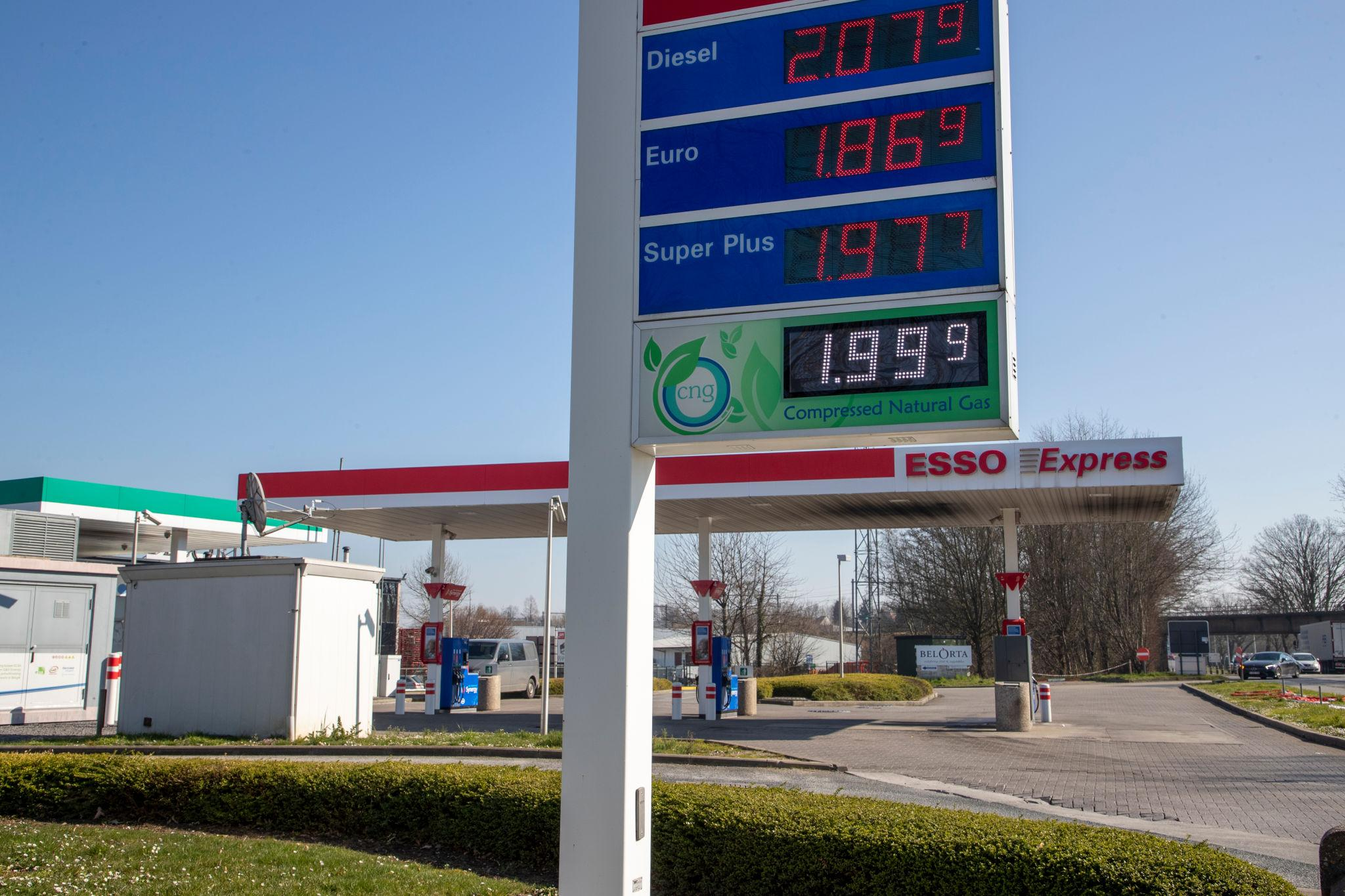
Fuel costs in Belgium have once again become a central economic concern, with renewed attention on the maximum petrol price (maximumprijs benzineprijs) and its upward trajectory. For households and businesses alike, the price at the pump is more than just a daily expense—it reflects broader shifts in energy markets, regulatory frameworks, and economic stability.
In Belgium, petrol prices are not entirely left to market forces. Instead, they are regulated through a maximum pricing system, a mechanism designed to protect consumers from extreme volatility. However, even within this framework, upward adjustments can still occur, triggering widespread attention and debate when they do.
Understanding the Maximum Price System
How the “Maximumprijs” Works
Belgium operates a structured pricing model where authorities set a maximum allowed price for fuel. Retailers can charge less, but not more than this ceiling. This system aims to ensure transparency and prevent excessive pricing during periods of market instability.
The maximum price is influenced by several key variables:
- International crude oil prices
- Refining and distribution costs
- Currency exchange rates
- Taxes and government levies
Because these inputs fluctuate, the maximum price is regularly updated. When global conditions shift upward, Belgian consumers typically feel the impact almost immediately.
Why Prices Still Rise Despite Regulation
Even with regulation, the system does not freeze prices. Instead, it mirrors real-world cost changes. When international oil markets tighten or logistical costs increase, the maximum price is adjusted upward to reflect those realities.
This explains why, despite consumer protections, petrol prices can still climb significantly.
Economic Context: External Pressures Driving Increases
Global Energy Market Dynamics
Fuel pricing in Belgium is tightly linked to global energy markets. Changes in crude oil supply, geopolitical tensions, or shifts in demand can rapidly influence costs.
For example:
- Supply disruptions can push oil prices higher
- Increased global demand—especially from large economies—can tighten availability
- Currency fluctuations can make imports more expensive
Belgium, as a net importer of energy, is particularly exposed to these external pressures.
Structural Challenges in Europe
Across Europe, rising energy costs have been a persistent issue. Belgium is not alone in facing upward pressure on petrol prices. Broader European challenges include:
- Transition to cleaner energy systems
- Infrastructure and distribution costs
- Regulatory adjustments tied to environmental policies
These factors contribute to a gradual upward trend in fuel costs over time.
Impact on Consumers and Businesses
Household Budgets Under Strain
For everyday consumers, rising petrol prices translate directly into higher living costs. Commuters, especially those reliant on private vehicles, are among the most affected.
Higher fuel costs also indirectly influence:
- Food prices (due to transport costs)
- Utility expenses
- General inflation
The cumulative effect is a noticeable squeeze on disposable income.
Business and Transport Sector Implications
Businesses—particularly in logistics, transportation, and delivery—face increased operational costs when fuel prices rise. These costs are often passed on to consumers, reinforcing inflationary pressures.
Small and medium-sized enterprises (SMEs) are especially vulnerable, as they typically have less capacity to absorb sustained cost increases.
Policy and Regulatory Considerations
Balancing Protection and Market Reality
Belgian policymakers face a complex challenge: maintaining consumer protection while allowing prices to reflect real costs. The maximum price system is designed to strike this balance, but it cannot fully shield consumers from global market trends.
Authorities must continuously adjust:
- Tax policies
- Price ceilings
- Energy transition strategies
to ensure both economic stability and long-term sustainability.
Broader National Policy Pressures
Belgium’s approach to energy pricing intersects with wider policy debates, including healthcare system pressures and infrastructure constraints. For instance, structural challenges in sectors like healthcare highlight how broader system limitations can affect policy implementation and capacity planning .
While unrelated to fuel directly, such systemic constraints illustrate the complexity of managing national resources across sectors.
What Comes Next: Future Outlook for Petrol Prices
Short-Term Expectations
In the near term, petrol prices in Belgium are likely to remain sensitive to global developments. Any fluctuation in oil markets or geopolitical conditions can trigger further adjustments in the maximum price.
Consumers should expect:
- Continued price variability
- Periodic increases tied to international trends
- Limited short-term relief without external market stabilization
Long-Term Trends
Over the longer term, structural shifts may redefine the role of petrol altogether. These include:
- Increased adoption of electric vehicles
- Investment in renewable energy
- Policy incentives to reduce fossil fuel dependence
While these changes may reduce reliance on petrol, the transition period could still involve volatility in fuel pricing.
Conclusion: A Regulated System Under Pressure
Belgium’s petrol pricing system offers a degree of consumer protection through its maximum price mechanism, but it remains closely tied to global economic forces. As a result, rising petrol prices are not solely a domestic issue—they reflect broader shifts in energy markets and policy landscapes.
For consumers, the key takeaway is clear: while regulation can moderate extremes, it cannot fully insulate against upward trends. For policymakers, the challenge lies in balancing affordability, sustainability, and economic resilience in an increasingly complex energy environment.


