

Spirit Airlines Pledge: Inside the Emergency Response After a Sudden Collapse
A Crisis Unfolds Overnight
The abrupt shutdown of Spirit Airlines has triggered one of the most significant disruptions in recent U.S. aviation history, leaving passengers stranded and thousands of employees uncertain about their future. Federal officials have responded with an urgent pledge to stabilize the situation—mobilizing airlines, enforcing protections, and coordinating relief efforts.
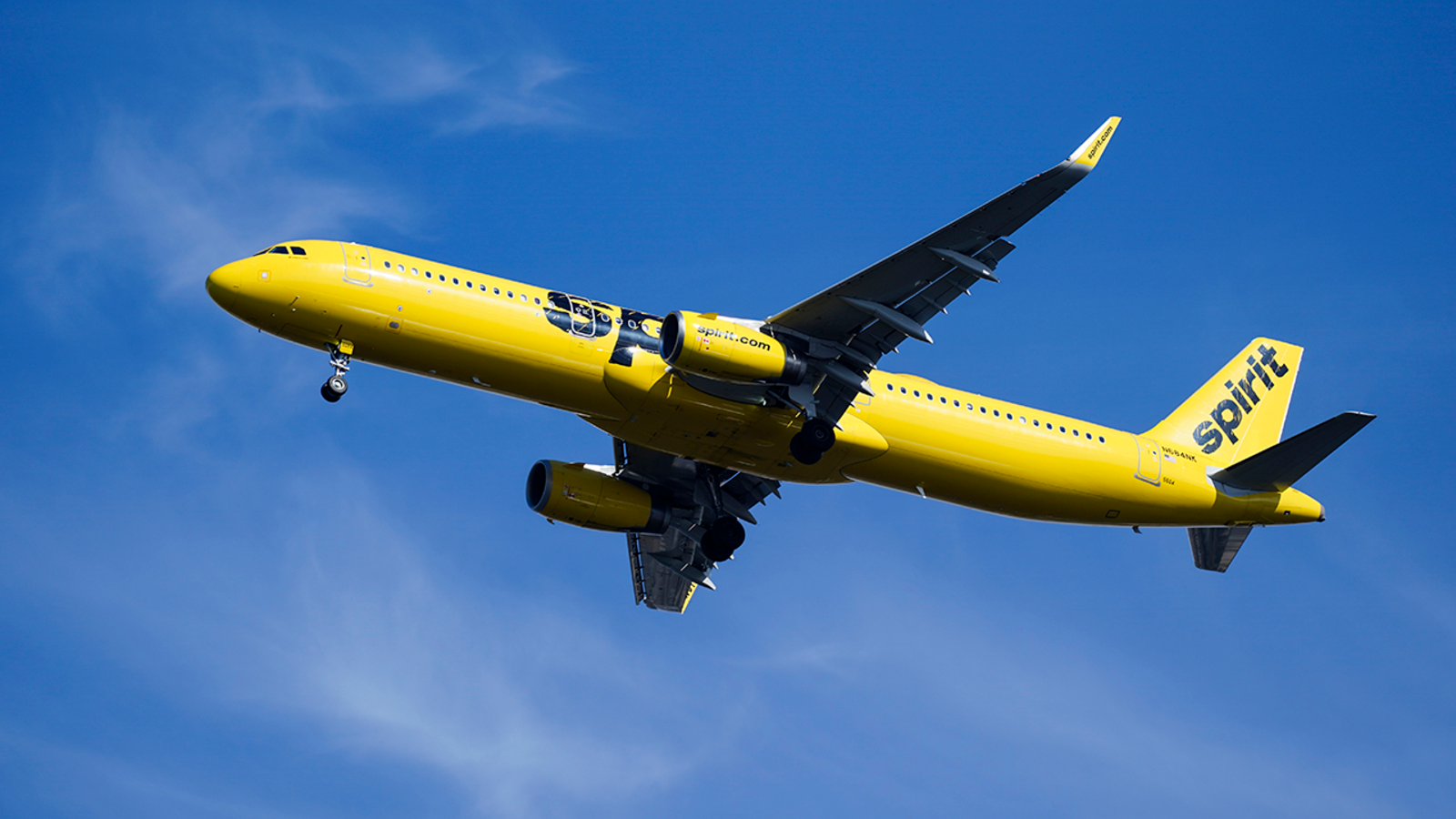
Spirit Airlines, once a dominant ultra-low-cost carrier known for its bright yellow aircraft and budget-friendly fares, confirmed it had “started an orderly wind-down of our operations, effective immediately.”
The decision effectively ended a 34-year run and halted hundreds of daily flights, affecting approximately 17,000 employees and millions of travelers.
The Federal Pledge: Preventing Chaos in the Skies
Within hours of the shutdown, the U.S. Department of Transportation stepped in with a coordinated industry-wide response. Transportation Secretary Sean Duffy outlined a multi-pronged strategy designed to minimize disruption and protect both passengers and workers.
“In a matter of hours, we’ve activated our airline partners to ensure passengers are not stranded, communities maintain routine access, fares do not skyrocket, and Spirit’s workforce is connected to new job opportunities,” Duffy said.
This pledge represents an unusual level of federal coordination in the airline sector—effectively acting as a temporary safety net for a collapsing carrier.
Rescue Measures for Passengers
1. Fare Caps and Emergency Rebooking
Nine airlines have agreed to assist displaced travelers through capped fares and reduced ticket pricing. Major carriers including United, Delta, JetBlue, and Southwest introduced temporary limits on ticket prices for Spirit customers attempting to rebook.
However, these measures come with strict timeframes:
- JetBlue: 72 hours
- Southwest: 72 hours (in-person only)
- Delta: 5 days
- United: up to 2 weeks online
Other airlines such as American Airlines and Frontier have also introduced discounted “rescue fares,” with Frontier offering 50% off base fares through May 10.
This rapid response is intended to prevent price spikes and ensure stranded passengers can continue their journeys without excessive financial burden.
2. Expanded Capacity and Alternative Travel Options
Airlines are also increasing capacity on overlapping routes by deploying larger aircraft and adding additional flights.
Meanwhile, alternative transport providers have stepped in. Rental company Hertz is offering one-way rentals and discounts, recognizing that “the road might be the fastest way home in scenarios like this one.”
Refunds and Financial Recovery: What Travelers Must Know
Although Spirit Airlines promised refunds, the process is not guaranteed to be straightforward.
Key recovery options include:
- Requesting a chargeback through credit card providers under the Fair Credit Billing Act
- Filing claims with travel insurance providers covering “insolvency” or “service cessation”
- Submitting a bankruptcy claim, which may result in only partial reimbursement
Consumer advocates warn that passengers must act quickly and retain documentation such as receipts and booking confirmations.
“Not all Spirit customers should assume a refund will automatically appear,” said John Breyault of the National Consumers League.
Support for Employees: A Workforce in Transition
The federal pledge extends beyond passengers to the airline’s workforce, many of whom were left stranded mid-assignment.
Airlines across the industry have committed to:
- Providing travel privileges, including jump seats, to help employees return home
- Offering “preferential employment interviews” to accelerate hiring processes
- Organizing recruitment events for displaced workers
These measures aim to soften the economic impact of the shutdown while preserving skilled labor within the aviation sector.
The Road to Collapse: Financial Struggles and Failed Rescue
Spirit Airlines’ shutdown did not occur in isolation. The airline had been battling financial instability for years, exacerbated by rising fuel costs and declining demand.
Key indicators of distress included:
- Over $2.5 billion in losses since 2020
- $8.1 billion in debt reported in 2025
- A 51.6% reduction in flight capacity year-over-year
Government intervention had been under consideration until the final days. President Donald Trump confirmed that a “final proposal” was offered but emphasized that any bailout would proceed only “if it’s a good deal.”
Despite negotiations, Spirit ultimately failed to secure sufficient funding, leading to its collapse.
Industry Implications: End of an Ultra-Low-Cost Era?
Spirit Airlines played a pivotal role in reshaping the airline industry by driving down ticket prices and expanding access to air travel.
Its collapse raises several critical concerns:
- Reduced competition may lead to higher fares
- Budget-conscious travelers may face fewer options
- Airline consolidation could accelerate
Industry leaders have already acknowledged the broader impact. Frontier Airlines noted that Spirit “played an important role in expanding access to affordable travel and bringing more low fares to more people.”
What Comes Next?
The federal pledge provides immediate relief, but long-term outcomes remain uncertain.
Key questions moving forward include:
- Will other low-cost carriers fill the market gap?
- How will regulators address competition concerns?
- Could future airline failures trigger similar intervention models?
For now, the coordinated response appears to have prevented widespread disruption—but the disappearance of Spirit Airlines marks a turning point for the aviation industry.
Conclusion: A Temporary Safety Net in a Structural Shift
The Spirit Airlines pledge represents a rapid, coordinated effort to stabilize a crisis that could have spiraled into widespread disruption. By mobilizing airlines, protecting consumers, and supporting workers, federal authorities have created a temporary safety net.
Yet the broader implications extend beyond immediate relief. The collapse underscores vulnerabilities in the ultra-low-cost airline model and signals a potential shift in how governments respond to major corporate failures in critical industries.
For passengers and employees alike, the pledge offers short-term solutions—but the long-term landscape of affordable air travel may be permanently changed.


