

Spirit Airlines Shutdown: What Really Brought the Budget Giant Down?
A Sudden End to a 34-Year Journey
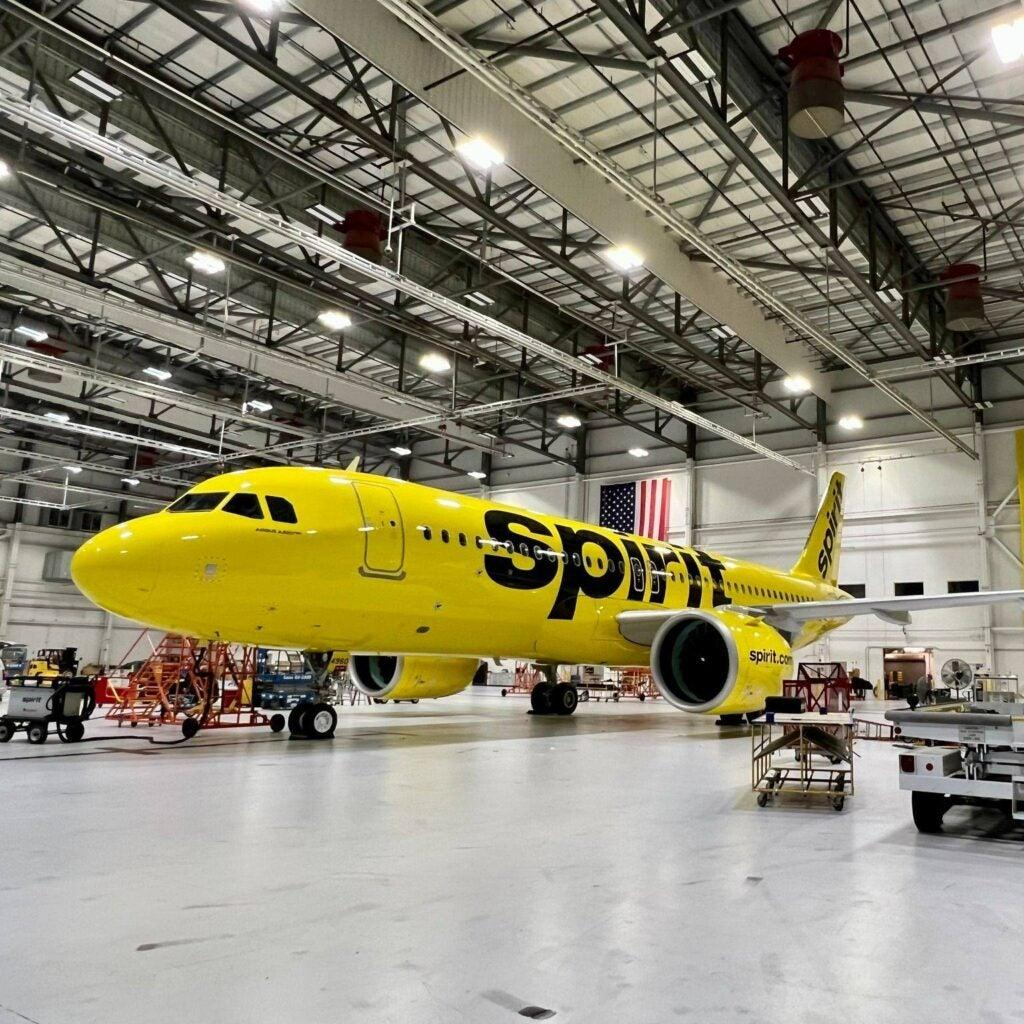
After more than three decades in the skies, Spirit Airlines—once synonymous with ultra-low-cost travel—has abruptly ceased operations. The shutdown, announced in early May 2026, marks the end of a 34-year run that reshaped budget aviation in the United States.
The airline’s final flights landed quietly, including one last arrival in Los Angeles, closing a chapter that had connected millions of travelers through affordable fares.
But behind the sudden halt lies a complex story of financial strain, market pressures, and strategic missteps that ultimately grounded one of America’s most recognizable low-cost carriers.
The Immediate Cause: Financial Collapse and Rising Costs
At the heart of Spirit Airlines’ shutdown is a familiar but devastating combination: rising operating costs and persistent financial instability.
The airline had already filed for bankruptcy twice in its history, signaling long-standing vulnerabilities in its business model. However, the final blow came from a surge in jet fuel prices—one of the most significant expenses in aviation.
According to reports, these soaring fuel costs pushed the airline into an unsustainable position, making continued operations financially impossible.
In an industry where margins are notoriously thin, even small increases in fuel prices can have outsized effects. For a budget airline like Spirit—built on offering the lowest possible fares—the ability to absorb such cost increases was limited.
Strategic Setbacks: The Failed Merger
Another major factor in Spirit’s downfall was its failed merger attempt in 2024.
The airline had sought consolidation as a way to strengthen its financial position and compete more effectively in a crowded market. However, the merger was ultimately blocked, removing what could have been a critical lifeline.
U.S. Transportation Secretary Sean Duffy pointed to this decision as a turning point, stating:
“I think this was a bad decision by the Biden administration by not allowing the merger with JetBlue.”
Without the merger, Spirit remained exposed to market volatility, rising costs, and intensifying competition from both low-cost and legacy carriers.
The Final Shutdown: Immediate and Disruptive
Unlike some airline closures that unfold gradually, Spirit’s shutdown was immediate and sweeping.
Officials confirmed:
“Spirit does not have airplanes in the air flying as of this morning… their call centers are closed, and they don’t have staff at ticket counters.”
Passengers were advised not to even go to the airport, as operations had fully ceased.
The abruptness left thousands stranded across the country and beyond, scrambling to find alternative flights—often at significantly higher prices.
Human Impact: Employees and Travelers Left in Limbo
Thousands of Jobs Lost
The shutdown has had a profound human cost. Approximately 17,000 employees are now unemployed, facing sudden uncertainty after years of service.
For many, the news came without warning.
“I was holding back tears,” one employee said, describing how she learned she had lost her job.
Travelers Stranded Worldwide
Passengers also felt the immediate effects. From cheer teams stuck in Florida to families trying to return home, the disruption was widespread.
One traveler described waking up to the news mid-trip:
“I saw a headline come through… and it said Spirit Airlines is out of business.”
Others reported paying hundreds of dollars more for replacement flights, with some spending up to $800 to return home.
While airlines like Southwest stepped in with discounted fares, availability remained limited, leaving many with difficult—and costly—choices.
Refunds and Rebooking: What Happens Next?
Spirit Airlines has stated that it will process refunds automatically for affected passengers. However, the process may not be straightforward for everyone.
- Travelers who booked through third-party agencies must request refunds through those providers
- Customers using vouchers, points, or credits may need to navigate the airline’s bankruptcy proceedings
- Many passengers report delays in receiving refunds
In the meantime, government officials have encouraged travelers to act quickly when rebooking, as discounted rescue fares are time-sensitive.
Why Spirit Airlines Couldn’t Survive
Looking at the broader picture, Spirit’s shutdown was not caused by a single issue—but rather a convergence of structural weaknesses:
1. High Fuel Costs
A sharp rise in jet fuel prices dramatically increased operating expenses.
2. Weak Financial Position
Multiple bankruptcy filings highlighted long-term instability.
3. Failed Strategic Moves
The blocked merger eliminated a potential path to recovery.
4. Competitive Pressure
The airline faced increasing competition from both ultra-low-cost rivals and full-service carriers offering competitive pricing.
5. Fragile Business Model
Reliance on ultra-low fares left little room to absorb economic shocks.
Industry Implications: What This Means for Air Travel
The collapse of Spirit Airlines is likely to have ripple effects across the aviation sector.
Fewer Budget Options
Travelers may face fewer ultra-low-cost flight choices, particularly on routes where Spirit was dominant.
Potential Fare Increases
Reduced competition could lead to higher ticket prices, especially on high-demand routes.
Market Reshaping
Other airlines may expand into Spirit’s former markets, potentially reshaping route networks and pricing strategies.
Despite the disruption, officials suggest that the long-term outcome could be a “stronger competitive market,” though that remains uncertain.
A Defining Moment for Low-Cost Aviation
Spirit Airlines helped democratize air travel, making flying accessible to millions who might otherwise have been priced out.
Its shutdown signals more than just the loss of a single airline—it reflects the growing challenges of sustaining ultra-low-cost models in an increasingly volatile economic environment.
For employees, passengers, and the broader industry, the end of Spirit Airlines is a stark reminder: even the most established brands are not immune to shifting market forces.
Conclusion: The End of an Era
After 34 years, Spirit Airlines has taken its final flight, leaving behind a legacy defined by affordability, disruption, and controversy.
Its collapse was not sudden in origin—but it was sudden in execution.
Rising fuel costs, failed strategic bets, and financial fragility combined to bring down a company that once thrived on doing more with less.
As travelers adjust and the industry recalibrates, one thing is clear: the shutdown of Spirit Airlines marks a pivotal moment in the evolution of modern air travel.


