
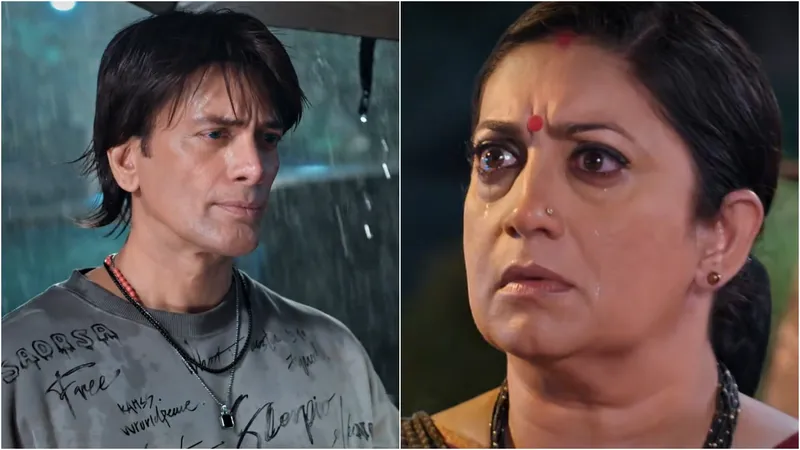
Ansh Gujral: The Villain Whose Legacy Still Shapes Kyunki Saas Bhi Kabhi Bahu Thi
A Narrative Feature on Television’s Most Enduring Shadow
In the sprawling universe of Indian television, few characters have managed to leave a psychological imprint as deep and lasting as Ansh Gujral. Long after his original storyline concluded, his presence continues to echo—reshaping narratives, provoking emotions, and reigniting debates among viewers.
The recent developments in Kyunki Saas Bhi Kabhi Bahu Thi 2 have brought that legacy roaring back into focus. Not through resurrection, but through lineage. And in doing so, the show has reopened a conversation about memory, storytelling, and the risks of nostalgia-driven television.
The Original Ansh Gujral: A Character That Defined Conflict
For longtime fans, Ansh Gujral is not just a character—he is a symbol of chaos within the Virani family saga. His name alone evokes tension, fear, and a sense of unpredictability.
The revival series leans heavily on this emotional memory. As noted in recent episodes, “the name Ansh Gujral still sends shivers down the spine of longtime fans” . This lingering impact is precisely what the creators have tapped into with their latest narrative arc.
A New Chapter: Reyansh Enters the Scene
The sequel series introduces Reyansh (also referred to as Rio) Gujral, portrayed by Akashdeep Saigal—the same actor who originally played Ansh. But instead of reprising the original role, Saigal now appears as Ansh’s son.
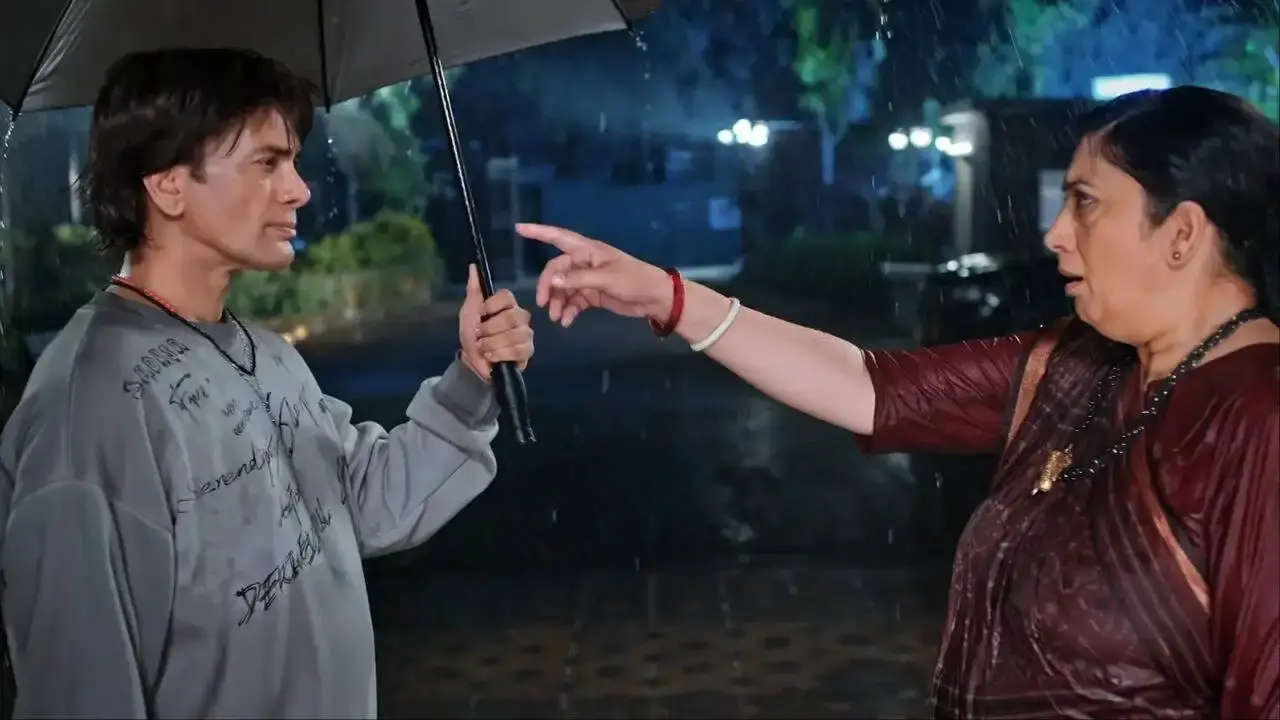
The reveal unfolds dramatically:
- A mysterious young man interrupts a tense family confrontation
- His resemblance to Ansh shocks Tulsi
- The storyline confirms he is Ansh’s son
This narrative device bridges past and present, effectively creating a generational continuation of conflict. It also deepens the emotional stakes for core characters, particularly Tulsi, who must confront not just memories, but their consequences.
Nostalgia Meets Narrative Risk
From a storytelling perspective, this move is calculated. Bringing back a legacy character through lineage allows the show to:
- Reignite audience nostalgia
- Introduce fresh conflicts
- Maintain continuity with the original series
However, execution has proven contentious.
The twist has “sparked a wave of mixed reactions online,” with many viewers questioning the internal logic of the storyline. While some appreciate the emotional callback, others see inconsistencies—particularly around timeline coherence and casting decisions.
The Debate: Casting and Credibility
One of the most discussed aspects of Reyansh’s introduction is the casting of Akashdeep Saigal as Ansh’s son.
Critics argue that the resemblance—while narratively intentional—raises questions about plausibility. Social media reactions have pointed out perceived mismatches in age dynamics, with some viewers humorously remarking on the irony of the casting choice.
The skepticism highlights a broader issue in long-running franchises: balancing nostalgia with believability. When familiar faces return in reimagined roles, the emotional payoff must outweigh the logical gaps.
A Complex Family Web
The storyline becomes even more intricate with Reyansh’s relationship dynamics:
- He refers to Karan (Hiten Tejwani) as “Dad”
- He is revealed to be living under Karan’s guardianship
- A “second woman” in Karan’s life adds another layer of tension
These developments complicate the already fragile Virani family structure, introducing ambiguity around loyalty, identity, and hidden truths.
The emotional climax is intensified when Tulsi—already grappling with suspicions of infidelity—discovers the deeper secret behind Reyansh’s identity. The revelation leaves her “shaken to the core” .
Why Ansh Gujral’s Legacy Still Matters
The decision to revive Ansh Gujral’s legacy is not accidental. It reflects a broader trend in television:
1. Legacy Characters Drive Engagement
Audiences form deep attachments to iconic figures. Revisiting them—directly or indirectly—generates immediate interest.
2. Nostalgia as a Narrative Engine
Shows increasingly rely on emotional memory to sustain relevance in competitive entertainment landscapes.
3. Intergenerational Storytelling
By introducing descendants, writers can explore how past actions ripple into future conflicts.
In this context, Ansh Gujral serves as both a character and a narrative mechanism—a way to connect eras while escalating drama.
The Emotional Core: Tulsi’s Perspective
At the heart of this storyline lies Tulsi, the moral anchor of the series.
Her reaction to Reyansh is not just shock—it is a confrontation with unresolved history. The resemblance to Ansh forces her to relive trauma, while the revelation of his son introduces new uncertainties.
This emotional layering is where the storyline finds its strongest footing. Beyond the debates and criticism, the narrative succeeds in placing its central character in a deeply human dilemma.
What Comes Next?
The introduction of Reyansh opens multiple narrative possibilities:
- Will he mirror Ansh’s darker traits, or redefine the legacy?
- What secrets does Karan hold about his guardianship?
- How will the Virani family respond to this new reality?
The show’s future trajectory depends on how convincingly it navigates these questions. If handled well, the storyline could evolve into one of the most compelling arcs of the sequel.
Conclusion: A Legacy That Refuses to Fade
Ansh Gujral may no longer be physically present in Kyunki Saas Bhi Kabhi Bahu Thi, but his influence remains undeniable.
Through Reyansh, the series attempts to transform memory into momentum—reviving a character not by bringing him back, but by exploring what he left behind.
The result is a storyline that is as divisive as it is intriguing. It underscores a fundamental truth of long-form storytelling: some characters never truly exit. They linger, evolve, and return—often in ways audiences don’t expect.


