A Narrative Twist That Broke the Internet
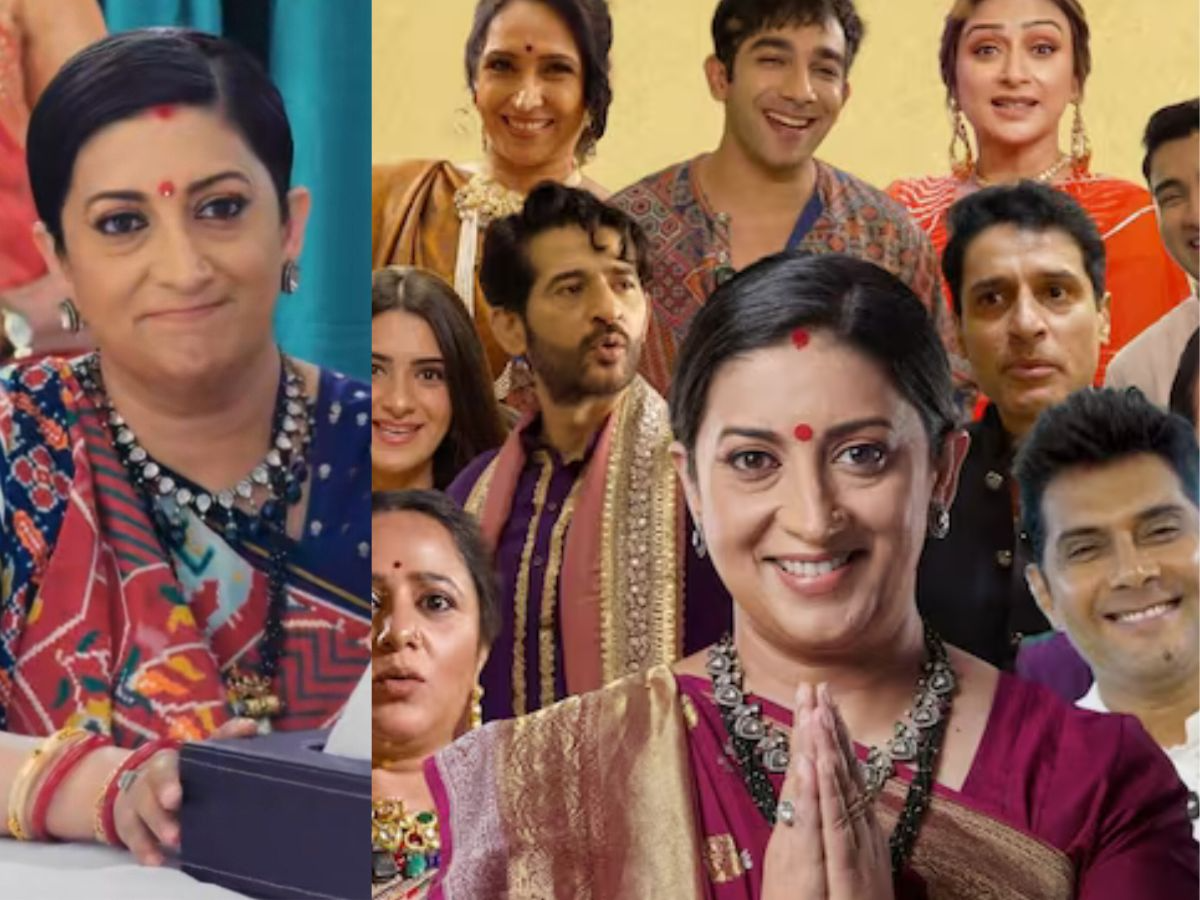
Few television shows command the kind of emotional investment that Kyunki Saas Bhi Kabhi Bahu Thi has maintained over decades. Its return with Season 2 was already a significant cultural moment, but the latest storyline twist has reignited public discourse—this time with a blend of nostalgia, disbelief, and humor.
At the center of the storm is actor Akashdeep Saigal, once known for portraying the notorious antagonist Ansh Gujral in the original series. In a move that surprised both loyal fans and casual viewers, Saigal has re-entered the narrative—not as Ansh, but as his son.
What followed was not just a plot development, but a viral phenomenon.
From Villain to Legacy: A Character Reimagined
In the original Kyunki Saas Bhi Kabhi Bahu Thi, Ansh Gujral was a defining antagonist whose arc ended dramatically when Tulsi Virani—played by Smriti Irani—shot him. That moment remains one of Indian television’s most iconic scenes.
Fast forward nearly two decades, and the narrative has taken a generational leap.
Akashdeep Saigal now plays Reyansh, also known as Rio, Ansh’s son—a character described as an “America-returned scion” with charm, intelligence, and a modern outlook.
According to Saigal, the role represents more than just a casting decision. It is a symbolic continuation of the show’s legacy:
“Honestly, life has a beautiful, almost poetic way of coming full circle… It doesn’t feel like a comeback; it feels like a reclamation.”
The character enters the storyline believing he is the son of Karan Virani, positioning him at the emotional center of a complex family web.
The Scene That Sparked a Meme Frenzy
The turning point came when Tulsi Virani encounters Rio for the first time. The moment was designed to be dramatic—and it succeeded—but perhaps not entirely in the way the creators expected.
Tulsi is left speechless upon seeing Ansh’s look-alike son.
But viewers quickly took to social media with a different reaction: confusion mixed with satire.
Comments flooded online platforms:
- “Tulsi ka buddha pota.”
- “Dad ka dada lag raha hai.”
- “What has happened to his face?”
- And the viral punchline: “Kyunki papa bhi kabhi beta tha.”
The phrase, a clever parody of the show’s title, captured the essence of audience skepticism. Viewers struggled to reconcile the casting choice with the visual continuity expected in generational storytelling.
Balancing Legacy with Reinvention
The backlash, however, exists alongside widespread praise for the show’s enduring strengths.
Smriti Irani’s performance as Tulsi Virani continues to draw acclaim. Fans have described her presence as “pure magic,” reinforcing her status as one of Indian television’s most iconic figures.
The series itself has proven its resilience. After returning in July last year, Season 2 has dominated TRP charts and surpassed expectations by crossing over 272 episodes—well beyond earlier projections of a shorter run.
The show’s success has even led to the launch of a spin-off, Kyunki Rishton Ke Bhi Roop Badalte Hain, further expanding its narrative universe.
Why the Casting Choice Matters
At a deeper level, the controversy highlights a recurring tension in long-running television franchises: the balance between nostalgia and plausibility.
On one hand, bringing back a familiar face like Akashdeep Saigal taps into audience memory and emotional connection. On the other, the decision challenges suspension of disbelief—especially when the same actor portrays both a past-generation character and his offspring.
Saigal himself addressed this tension directly:
“Acting isn’t about the date on your birth certificate; it’s about the energy you bring.”
This perspective aligns with the show’s broader creative philosophy, which prioritizes emotional continuity over strict realism.
A Cultural Mirror: Why the Reaction Matters
The viral response to this storyline is more than just entertainment gossip—it reflects how audiences engage with legacy media in the social media era.
When Kyunki Saas Bhi Kabhi Bahu Thi originally aired between 2000 and 2008, it defined Indian television without the immediate feedback loop of online platforms.
Today, every narrative decision is dissected in real time. Memes, jokes, and critiques become part of the viewing experience, shaping the show’s reception as much as the storyline itself.
The phrase “Kyunki papa bhi kabhi beta tha” is emblematic of this shift—an audience-generated reinterpretation that travels faster than the episode itself.
The Road Ahead for Kyunki 2
Despite the trolling, the show’s popularity remains intact. In fact, the controversy may have amplified its reach, drawing attention from both long-time fans and new viewers.
The introduction of Rio suggests a strategic pivot toward generational storytelling—one that could redefine the series for a new era.
Key questions remain:
- Will the narrative successfully justify the character’s arc?
- Can the show maintain emotional authenticity while embracing bold creative risks?
- And most importantly, will audiences continue to accept its unique blend of drama and exaggeration?
Conclusion: A Legacy That Refuses to Fade
Kyunki Saas Bhi Kabhi Bahu Thi 2 is no longer just a television show—it is a living cultural artifact, constantly evolving with its audience.
The casting of Akashdeep Saigal as Ansh’s son may have sparked debate, but it has also reaffirmed the show’s ability to generate conversation, controversy, and connection.
In an era of fleeting digital content, that kind of sustained relevance is rare.
And perhaps that is the real story here—not whether “papa bhi kabhi beta tha,” but how a decades-old narrative continues to reinvent itself, one unexpected twist at a time.


