
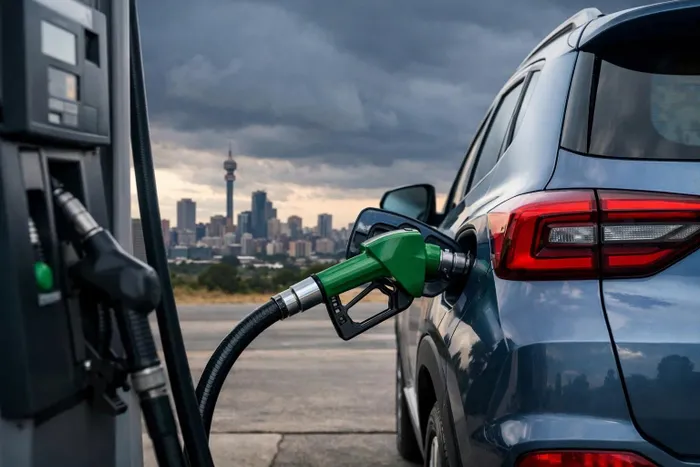
South Africa Fuel Price Forecast for May 2026: Relief Measures Clash with Rising Costs
A Temporary Lifeline in a Rising Cost Environment
South Africa enters May 2026 facing a familiar and uncomfortable reality: fuel prices are set to rise sharply despite government intervention aimed at easing the burden on consumers. While the extension of fuel levy relief has provided a temporary cushion, it has not been enough to fully offset the impact of volatile global oil markets and persistent under-recoveries in domestic pricing.
At the centre of this balancing act is Finance Minister Enoch Godongwana’s decision to extend tax relief measures into May, offering short-term support to motorists and businesses. Yet, the broader outlook suggests that price pressures remain firmly intact, raising questions about sustainability, fiscal trade-offs, and the future trajectory of fuel costs in South Africa.
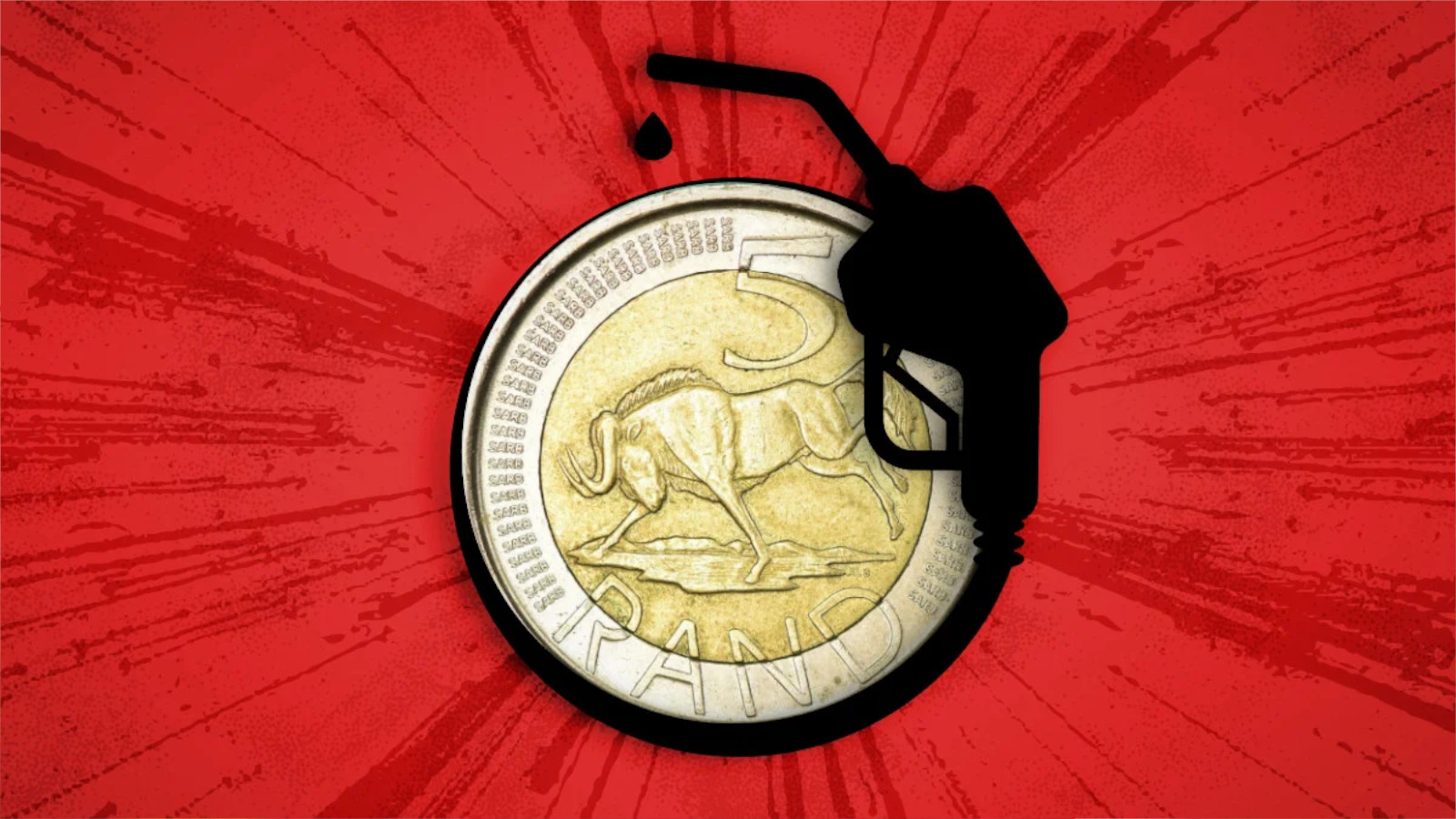
May 2026 Fuel Price Prediction: Significant Increases Ahead
Despite the continued tax reprieve, projections indicate that South Africans will still face notable increases at the pumps in May.
- Petrol prices are expected to rise by approximately R1.77 to R2.09 per litre
- Diesel prices could surge by as much as R4.50 to over R5 per litre
These increases stem from persistent under-recovery levels, where the cost of importing fuel exceeds the regulated retail price. Current estimates show:
- Petrol under-recovery: R1.76 to R2.09 per litre
- Diesel under-recovery: up to R5.42 per litre
This imbalance effectively guarantees price hikes when monthly adjustments take effect on 6 May 2026.
Even with relief measures, projected pump prices remain elevated:
- Petrol 95: around R24.38 (coast) to R25.21 (Gauteng)
- Diesel wholesale: potentially exceeding R30 per litre
Fuel Levy Relief: How Much Is It Really Helping?
The government’s primary intervention has been the temporary reduction in the general fuel levy, initially introduced in April and now extended into May.
Key elements of the relief package include:
- R3 per litre reduction on petrol levies extended until 2 June 2026
- Additional 93 cents relief on diesel, effectively reducing its levy to zero in May
This relief is designed to soften the blow of global oil price spikes and protect households from inflationary pressures.
However, the relief is only temporary:
- It will be halved in June
- Fully reinstated by July
This phased approach reflects a deliberate policy choice: provide short-term relief without permanently undermining government revenue streams.
The Fiscal Trade-Off: A Costly Intervention
While consumers benefit from lower levies, the policy carries a significant cost for the state.
- Total estimated cost of relief (April–June): R17.2 billion in foregone tax revenue
- April alone cost approximately R6 billion, with May projected at R11.2 billion
The fiscal challenge is stark. For every rand cut from the fuel levy, the government must find alternative revenue to maintain budget stability.
Fuel levies are a critical component of South Africa’s tax base, contributing an estimated R105 billion annually . Reducing them, even temporarily, creates a funding gap that must be filled through higher tax collection or spending cuts elsewhere.
Why Prices Are Still Rising: Global Oil and Market Volatility
The fundamental driver behind rising fuel prices remains global oil market instability.
Several key factors are influencing the current surge:
- Ongoing geopolitical tensions in the Middle East
- Disruptions and uncertainty around the Strait of Hormuz, a major oil transit route
- Brent crude prices fluctuating between $100 and $110 per barrel
Even temporary improvements—such as ceasefire announcements—have not provided lasting stability. As a result, fuel import costs remain elevated, feeding directly into domestic price calculations.
Understanding Petrol Under-Recovery and the Slate Levy
A critical but often misunderstood component of fuel pricing is the concept of under-recovery.
When international fuel costs rise faster than local retail prices, fuel suppliers effectively sell at a loss. This gap is tracked and later recovered through mechanisms like the slate levy, which adjusts prices over time.
This system ensures market stability but also means that:
- Price increases can be delayed—but not avoided
- Accumulated deficits eventually lead to sharp upward adjustments
In May 2026, this mechanism is expected to contribute to the final price increases, adding further uncertainty to projections.
Industry Reaction: Rush Ahead of Price Hikes
The looming increases have triggered behavioural responses across the market.
The Fuels Industry Association of South Africa has warned of increased demand as consumers rush to fill up before price adjustments.
“It is always a very difficult one when you’ve got a price adjustment of this magnitude… everybody wants to save,” said CEO Avhapfani Tshifularo.
He added that the prospect of savings creates “a temptation for people to rush,” placing significant pressure on supply systems.
What Happens Next: June and Beyond
Looking ahead, the relief measures will begin to unwind:
- June 2026: relief reduced to R1.50 (petrol) and R1.96 (diesel)
- July 2026: full fuel levies reinstated
This implies an additional baseline price increase in the coming months, independent of global oil trends.
At the same time, policymakers are exploring longer-term reforms, including:
- Reviewing the fuel pricing formula
- Expanding rail logistics to reduce diesel dependence
- Supporting the transition to alternative energy vehicles
Conclusion: Relief Today, Pressure Tomorrow
South Africa’s fuel price outlook for May 2026 highlights a fundamental tension: the need to protect consumers from rising costs while preserving fiscal stability.
The extension of fuel levy relief provides meaningful short-term savings, but it does not eliminate the underlying drivers of price increases. Global oil volatility, structural pricing mechanisms, and fiscal constraints continue to shape the trajectory of fuel costs.
For motorists and businesses, the message is clear: while relief measures may soften the impact, higher fuel prices remain an unavoidable reality in the months ahead.


