

Samsung Galaxy Glasses Leak Reveals a Strategic Bet on Everyday Smart Wearables
A New Chapter in Wearable Technology Emerges
Samsung’s long-rumored entry into the smart glasses market is finally coming into focus. A series of new leaks has provided the clearest look yet at what could become the Samsung Galaxy Glasses, signaling the company’s serious push into extended reality (XR) devices.
Unlike earlier concepts that leaned heavily toward futuristic augmented reality displays, this first-generation device appears grounded in practicality. The design and feature set suggest Samsung is prioritizing usability and mass adoption over experimental innovation—at least for now.
The result is a product that looks deceptively simple but could have far-reaching implications for how people interact with technology in everyday life.
A Familiar Design with a Purpose
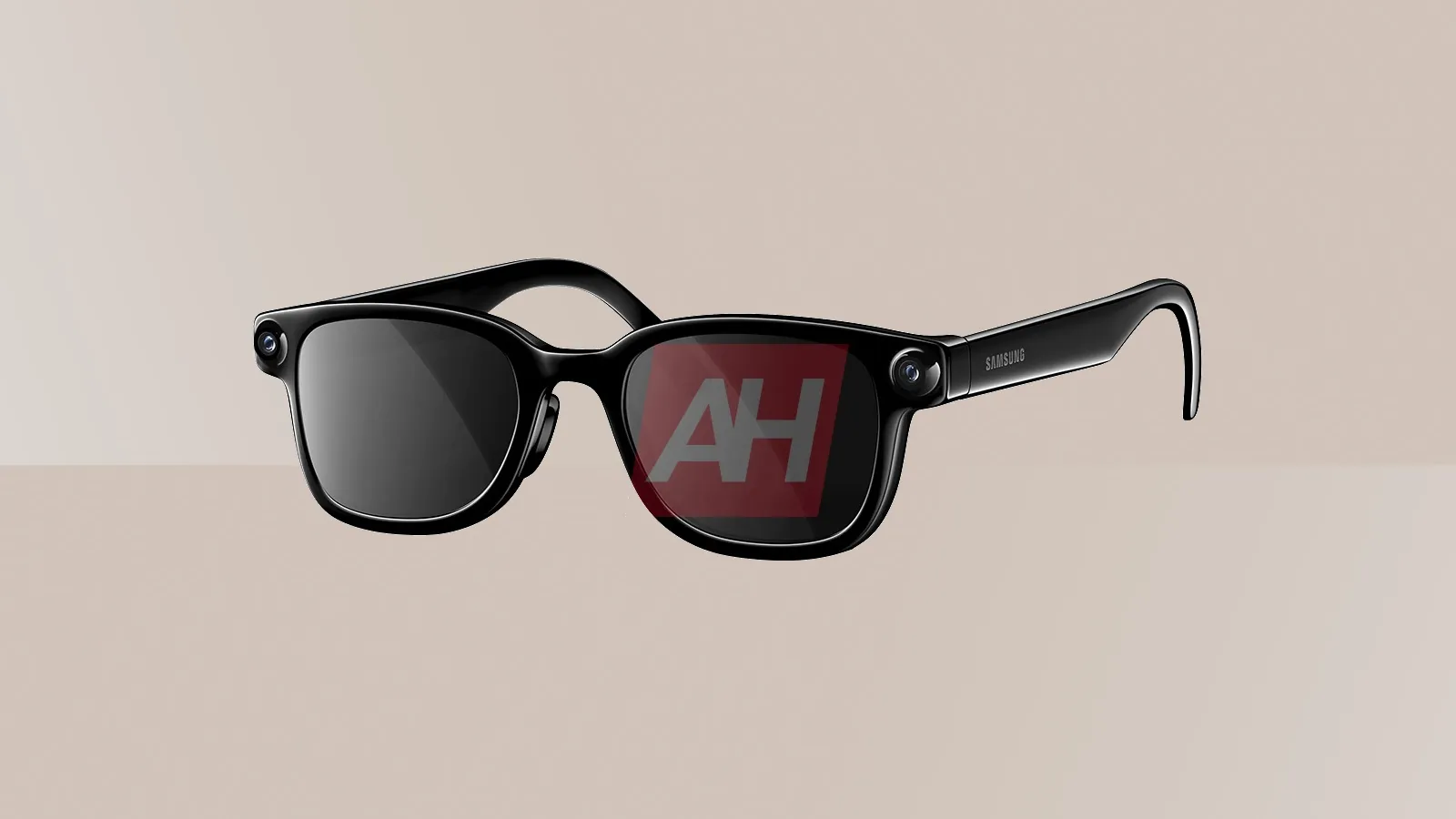
One of the most striking aspects of the leak is how ordinary the Galaxy Glasses look. The frames resemble standard eyewear, with slim temples and no obvious bulk or protruding hardware.
This design choice is far from accidental.
Reports indicate the glasses are intentionally styled to mirror conventional glasses—similar to Meta’s Ray-Ban smart glasses—making them socially acceptable for daily wear.
Key design elements include:
- Thin, lightweight frame (around 50 grams)
- Dual front-facing cameras near the hinges
- No visible display module in the base version
- Photochromic lenses that adapt to sunlight
This “normal-looking” approach reflects a broader industry shift: smart glasses are no longer about standing out—they are about blending in.
Two Models, Two Visions
The leak also reveals that Samsung is developing two distinct versions of its smart glasses, each targeting a different audience.
1. Jinju (Entry-Level Model)
- No built-in display
- Focus on AI, audio, and camera-based features
- Expected to launch first
- Estimated price: $379 to $499
- Designed for everyday use
2. Haean (Premium Model)
- Expected to include a micro-LED display
- Augmented reality overlays (notifications, visual data)
- Targeted for a later release, possibly 2027
- Estimated price: $600 to $900
This dual-product strategy allows Samsung to test the market while preparing for a more advanced AR future.
AI at the Core: Gemini and Android XR
At the heart of the Galaxy Glasses is software—not hardware.
The device is expected to run on Android XR, integrated with Gemini AI, which could transform the glasses into a real-time assistant rather than just a recording device.
Potential capabilities include:
- Live translation of text and signs
- Voice-controlled navigation via maps
- Context-aware information about surroundings
- Hands-free photography and video capture
This “AI-first” approach aligns with industry trends where software intelligence defines the user experience, especially in devices with limited physical interfaces.
Hardware That Supports the Vision
While the design emphasizes simplicity, the underlying hardware is engineered to support AI-driven functionality.
Reported specifications include:
- Snapdragon AR1 processor
- 155mAh battery
- 12MP Sony IMX681 camera (rumored)
- Bluetooth connectivity (likely 5.3)
- Directional speakers with bone-conduction technology
The use of bone-conduction speakers allows users to hear audio without blocking their ears—critical for maintaining awareness in public environments.
However, many of these specifications remain unconfirmed and are based on early-stage prototypes.
Competing with Meta’s Dominance
Samsung’s entry into the smart glasses market places it directly in competition with Meta’s Ray-Ban smart glasses, which currently dominate the segment.
Meta reportedly holds over 70% of the XR market, driven largely by non-display smart glasses.
Samsung’s challenge is not just technical—it’s structural.
Meta benefits from a strong partnership with EssilorLuxottica, giving it access to:
- Established eyewear design expertise
- Prescription lens infrastructure
- Global retail distribution
Samsung, however, is taking a different route by collaborating with Warby Parker and Gentle Monster, aiming to bring fashion credibility into its ecosystem.
Why “No Display” Might Be the Smart Move
At first glance, the absence of a display in the Jinju model might seem like a limitation.
In reality, it could be a strategic advantage.
Industry data suggests that non-display smart glasses currently drive the majority of XR shipments, largely because they are:
- More affordable
- Lighter and more comfortable
- Easier to integrate into daily life
By focusing on audio and AI rather than visual overlays, Samsung is targeting the segment that is already gaining traction.
This approach positions the Galaxy Glasses as a practical wearable assistant, not an experimental gadget.
What We Still Don’t Know
Despite the detailed leaks, several critical questions remain unanswered:
- Battery life under real-world use
- Dependence on a paired smartphone
- Privacy indicators for camera usage
- Support for prescription lenses
These factors will ultimately determine whether the Galaxy Glasses succeed beyond initial hype.
Expected Launch Timeline
There is still some uncertainty around the release schedule, but current reports suggest:
- Possible announcement at Galaxy Unpacked in July
- Potential launch later this year (for Jinju)
- Premium Haean model expected in 2027
Firmware evidence—such as the appearance of a Galaxy Glasses icon in One UI builds—indicates that the product may be closer to launch than previously assumed.
The Bigger Picture: A Growing XR Market
Samsung’s timing appears deliberate.
The XR market is projected to grow rapidly, with estimates pointing to:
- 33.5% growth in 2026
- 26.5% compound annual growth through 2030
This expansion creates room for new entrants, especially those offering practical, user-friendly devices.
Samsung’s strategy suggests it is not trying to lead the first wave—but to capitalize on the moment the market becomes mainstream.
Conclusion: A Calculated Entry into the Future
The Samsung Galaxy Glasses leak does more than reveal a new product—it highlights a broader shift in how wearable technology is evolving.
Instead of chasing futuristic concepts, Samsung appears focused on:
- Everyday usability
- AI-driven functionality
- Familiar design
If the final product delivers on these promises, the Galaxy Glasses could become one of the most important wearable launches in recent years.
But success will depend on execution.
The hardware may be ready. The software is promising. The market is growing.
Now, the question is whether Samsung can turn this carefully calculated strategy into a device people actually want to wear.


