A Puzzle That’s More Than Just Words
In an era dominated by fast-scrolling content and fleeting attention spans, one deceptively simple game has carved out a daily ritual for millions: NYT Connections. At first glance, the concept appears straightforward—group 16 words into four sets. But beneath this simplicity lies a carefully engineered challenge that tests logic, vocabulary, and lateral thinking.
The puzzle for Tuesday, April 28, 2026 (#1052) perfectly illustrates why Connections continues to captivate players worldwide. It blends everyday language with subtle linguistic traps, turning a few minutes of gameplay into a surprisingly deep cognitive exercise.
What Is NYT Connections?
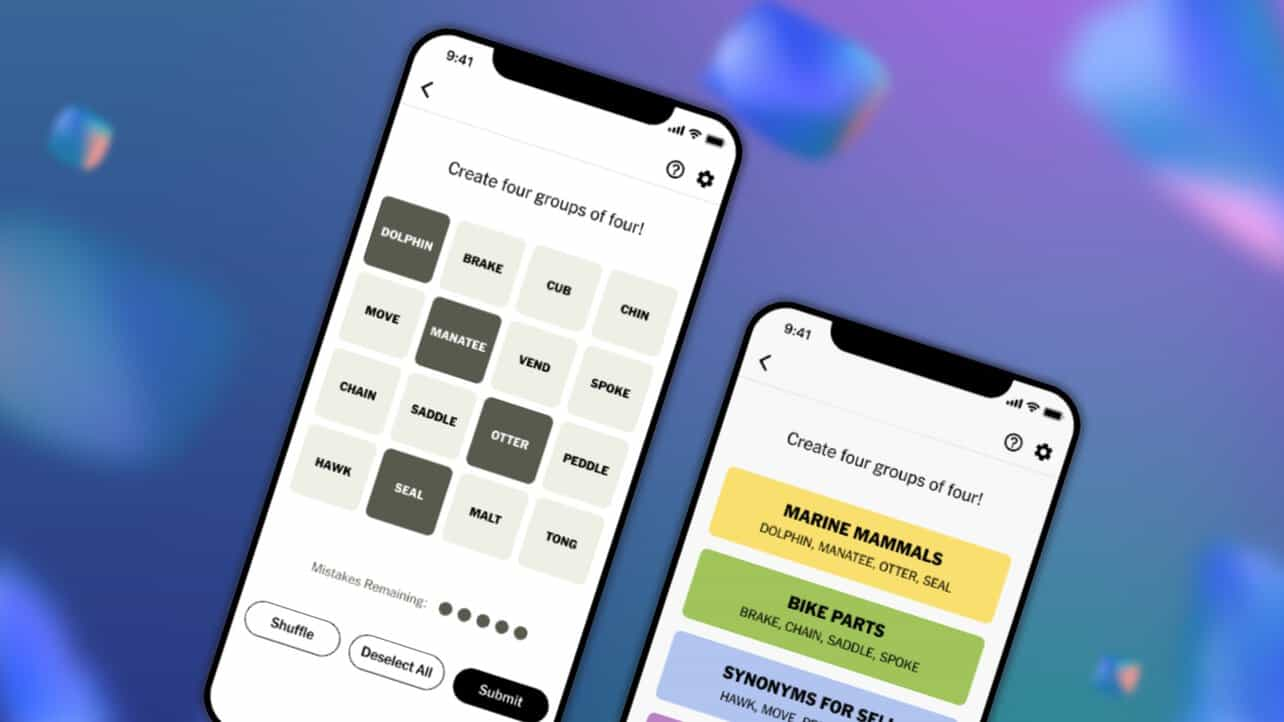
NYT Connections is a daily word association puzzle published by The New York Times. Each day, players are presented with 16 words arranged in a 4×4 grid, and the objective is to sort them into four groups of four, each sharing a common theme.
The twist? These connections are rarely obvious. While some groups rely on simple associations like synonyms or actions, others require recognizing abstract patterns, prefixes, or cultural references.
Players are allowed only four mistakes, which discourages random guessing and rewards careful reasoning.
How the Game Works
At its core, Connections is a test of pattern recognition:
- You receive 16 seemingly unrelated words
- You must identify four groups of four words
- Each group shares a hidden connection
- Categories are color-coded by difficulty:
- Yellow (easiest)
- Green (moderate)
- Blue (hard)
- Purple (most difficult)
The challenge escalates as players move from obvious groupings to abstract ones, often requiring a shift from literal thinking to creative interpretation.
Inside Puzzle #1052 (April 28, 2026)
The Word List
The April 28 puzzle featured the following 16 words:
CALL, TAN, DRY, FLOWER, CHECK, DIAL, FOLD, BID, REQUEST, SORT, APPEAL, WASH, COUPON, MATCH, STAMP, SCREEN
At first glance, several words appear interchangeable or overlapping—an intentional design that creates confusion and forces deeper analysis.
Breaking Down the Categories
The puzzle’s structure highlights the layered complexity of Connections:
🟡 Yellow Group — Requests and Appeals
APPEAL, REQUEST, BID, CALL
These words revolve around the act of asking or urging, forming a category centered on persuasion or entreaty.
🟢 Green Group — Laundry Actions
DRY, WASH, FOLD, SORT
This was one of the more accessible groups, representing everyday actions associated with handling clothes.
🔵 Blue Group — Items Found in “Books”
COUPON, MATCH, CHECK, STAMP
A slightly more conceptual category, this group draws from objects historically found in physical booklets—such as coupon books or stamp books.
🟣 Purple Group — “Sun___” Word Formations
DIAL, TAN, FLOWER, SCREEN
The most challenging set, this category required players to think beyond meaning and recognize a shared prefix pattern:
- Sundial
- Suntan
- Sunflower
- Sunscreen
This final group exemplifies the puzzle’s design philosophy: surface simplicity masking deeper linguistic structure.
Why This Puzzle Was Tricky
The April 28 edition struck a balance between accessibility and difficulty. Many players quickly identified the laundry group, but the puzzle became more complex as overlapping meanings introduced ambiguity.
Common pitfalls included:
- Misinterpreting “match” as a sports term
- Associating “check” with banking instead of booklets
- Viewing “call” as a communication term rather than a request
These “bait-and-switch” elements are intentional, designed to test how players prioritize context and eliminate incorrect assumptions.
Strategies That Improve Your Game
Success in NYT Connections isn’t about luck—it’s about methodical thinking. Experienced players rely on a few consistent strategies:
1. Start With the Obvious
Identify clear categories first (like action verbs or synonyms) to reduce clutter.
2. Look Beyond Definitions
Some groups depend on patterns, such as prefixes or compound words.
3. Watch for Trap Words
Words like “match” or “screen” often have multiple meanings designed to mislead.
4. Save the Hardest for Last
The purple category typically requires the most abstract thinking.
5. Eliminate Before You Commit
Avoid locking in uncertain groups too early—incorrect guesses are limited.
A Growing Global Phenomenon
NYT Connections has rapidly evolved into a global daily habit. Reports indicate that millions of users engage with the puzzle each day, making it one of the most popular word games online.
Its appeal lies in several factors:
- Quick gameplay suited for mobile users
- Daily refresh cycle that builds routine
- Shareable results that foster social engagement
- Cognitive challenge that rewards improvement over time
Unlike traditional crosswords, Connections emphasizes pattern recognition over trivia knowledge, making it accessible yet intellectually demanding.
Part of a Larger Puzzle Ecosystem
Connections is not an isolated success. It sits alongside other New York Times games such as:
- Wordle – a five-letter word guessing game
- Spelling Bee – vocabulary expansion through letter combinations
- Mini Crossword – quick daily puzzles
Together, these games form an ecosystem that keeps users returning daily, each offering a different type of mental challenge.
The Bigger Picture: Why It Matters
The rise of NYT Connections reflects a broader shift in digital engagement. Users are increasingly drawn to interactive, brain-stimulating content rather than passive consumption.
Connections stands out because it:
- Encourages critical thinking and linguistic flexibility
- Blends education with entertainment
- Provides a shared cultural experience across global audiences
As digital habits evolve, games like Connections demonstrate how even simple formats can deliver deep, sustained engagement.
Conclusion: A Puzzle That Keeps You Thinking
The April 28, 2026 puzzle (#1052) captures the essence of NYT Connections—an elegant mix of clarity and complexity. While some categories reward straightforward thinking, others demand creativity and abstraction.
That balance is precisely what keeps players coming back. Each puzzle is not just a test of knowledge, but a reminder that language itself is full of hidden connections—if you know where to look.


