
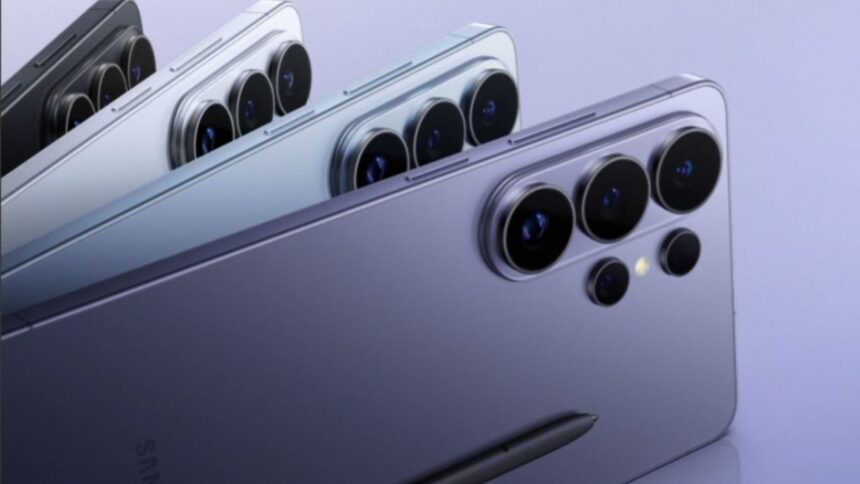
Samsung Galaxy S27 Series: Everything We Know So Far About the New Camera Setup
A Turning Point for Samsung’s Smartphone Design
Samsung’s Galaxy S series has long been defined by consistency—especially when it comes to its camera layout. Since the Galaxy S20 debuted in 2020, the company has largely stuck to a familiar formula: a vertically stacked camera module positioned at the top-left corner of the device. That design has become part of Samsung’s visual identity.
But with the upcoming Samsung Galaxy S27 series, that long-standing design philosophy may finally be set for a major shift.
Recent supply chain reports and industry leaks suggest that Samsung is preparing a significant camera redesign, one that could impact not only how the device looks, but also how it functions—particularly in relation to wireless charging, accessories, and imaging hardware.
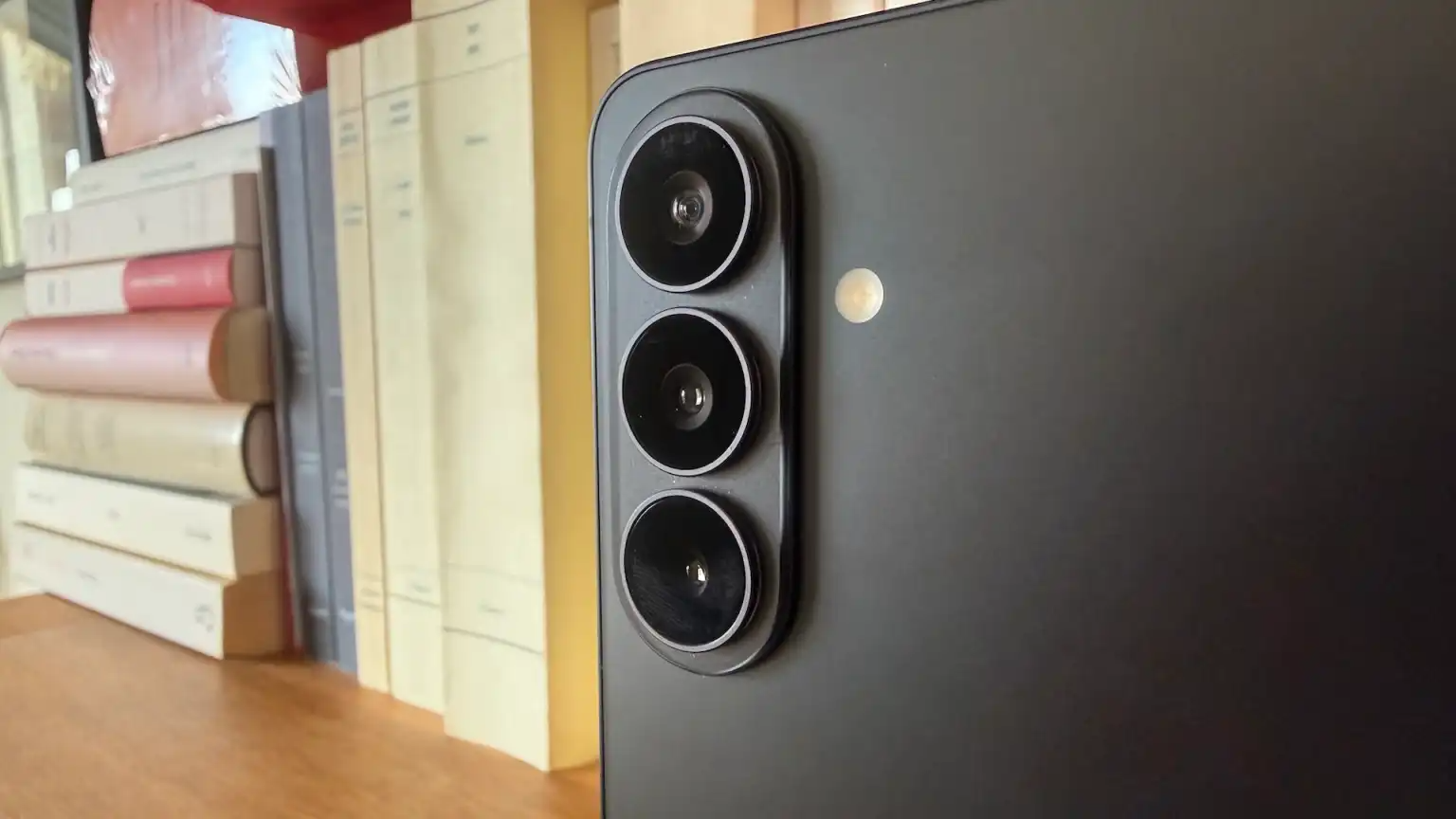
Why Samsung Is Rethinking the Camera Layout
The Push for Qi2 and MagSafe-Like Functionality
At the center of this rumored redesign is a practical constraint: space.
Samsung is reportedly planning to introduce native Qi2 wireless charging support—a next-generation standard that incorporates internal magnets similar to Apple’s MagSafe system.
These magnets allow phones to align perfectly with chargers and accessories such as wallets, stands, and battery packs. However, integrating them requires internal real estate—something the current elongated camera module occupies.
As a result, Samsung may need to reconfigure or relocate the camera system to make room for these components.
This change could enable a major usability improvement:
- Direct compatibility with magnetic accessories
- No need for special cases (as required with Galaxy S26)
In other words, the camera redesign may not be cosmetic—it could be a structural necessity.
The End of an Era: Breaking a Design Tradition
The potential shift is significant because Samsung has resisted altering its camera layout for years.
- Since 2020’s Galaxy S20, the vertical top-left camera stack has remained largely unchanged
- Samsung has previously emphasized this design as a recognizable brand element
However, real-world usability issues may have forced a rethink. Reports indicate that:
- Some accessories for the Galaxy S26 were incompatible
- The camera bump physically interfered with certain attachments
If true, the S27 could mark the first major departure from this design philosophy in over half a decade.
What Could the New Camera Setup Look Like?
Still a Mystery—for Now
While multiple sources confirm a potential redesign, details remain unclear.
Industry insiders suggest Samsung could experiment with:
- A centered camera module
- A repositioned top-right or mid-top layout
- A more compact or symmetrical arrangement
However, no definitive configuration has been confirmed.
This leaves open the possibility that the redesign could range from:
- A subtle refinement
- To a complete visual overhaul
Hardware Upgrades: More Than Just a New Look
A New 200MP Sensor for the Ultra Model
Beyond layout changes, the Galaxy S27 series may introduce significant camera hardware upgrades.
One of the most notable rumors:
- The Galaxy S27 Ultra could feature a new 200MP 1/1.12 ISOCELL HP6 LOFIC sensor
This sensor is expected to offer:
- Larger physical size (improving light capture)
- Enhanced dynamic range
- Better low-light performance
If implemented, it would represent a meaningful leap forward in Samsung’s mobile photography capabilities.
Competitive Pressure Is Mounting
Samsung’s camera evolution is not happening in isolation.
Rivals such as:
- Xiaomi 17 Ultra
- Oppo Find X9 Ultra
are pushing aggressively into high-end imaging, raising the bar for flagship smartphones.
For Samsung, the S27 series could be a strategic response:
- A chance to reclaim leadership in mobile photography
- An opportunity to modernize both design and functionality
The Cost Factor: A Potential Roadblock
Despite the promising upgrades, there is a notable caveat: rising component costs.
Industry-wide challenges—including:
- Increasing RAM and storage prices
- Ongoing supply chain pressures
could force Samsung to scale back its ambitions.
Some reports even suggest that:
- The Qi2 integration and camera redesign could be delayed until the Galaxy S28 series (2028) if costs become prohibitive
This introduces uncertainty into what would otherwise be a straightforward upgrade cycle.
What This Means for Users
If the leaks hold true, the Galaxy S27 series could deliver improvements across multiple fronts:
Practical Benefits
- Easier attachment of accessories (chargers, mounts, wallets)
- Improved compatibility without extra cases
Design Evolution
- A refreshed look after years of visual consistency
- Potentially more ergonomic camera placement
Photography Gains
- Better image quality through upgraded sensors
- Enhanced low-light and dynamic range performance
A Pivotal Upgrade Cycle Ahead
The Samsung Galaxy S27 series is shaping up to be more than just an incremental update. Instead, it could represent a fundamental shift in how Samsung designs its flagship smartphones.
By potentially combining:
- A redesigned camera module
- Native Qi2 magnetic charging
- Next-generation imaging hardware
Samsung appears ready to rethink both form and function.
Still, much depends on execution—and on whether economic pressures allow these changes to materialize as planned.
For now, one thing is clear: after a relatively subdued Galaxy S26 generation, the S27 could finally deliver the innovation many users have been waiting for.


