

Samsung Galaxy Z Fold 8 “Wide”: A New Era for Foldables or a Strategic Gamble?
A Bold Shift in Foldable Design Philosophy
Samsung is preparing one of its most intriguing foldable releases yet: the Galaxy Z Fold 8 “Wide.” Unlike incremental updates that have defined recent iterations of the Fold series, this new variant signals a fundamental rethink of what a foldable smartphone should feel like in daily use.
Rather than simply refining the tall, narrow form factor that has become synonymous with the Galaxy Z Fold lineup, Samsung appears to be introducing a wider, shorter device—a move that could reshape user expectations and potentially redefine the foldable category itself.
The “Wide” Identity: What Makes It Different?
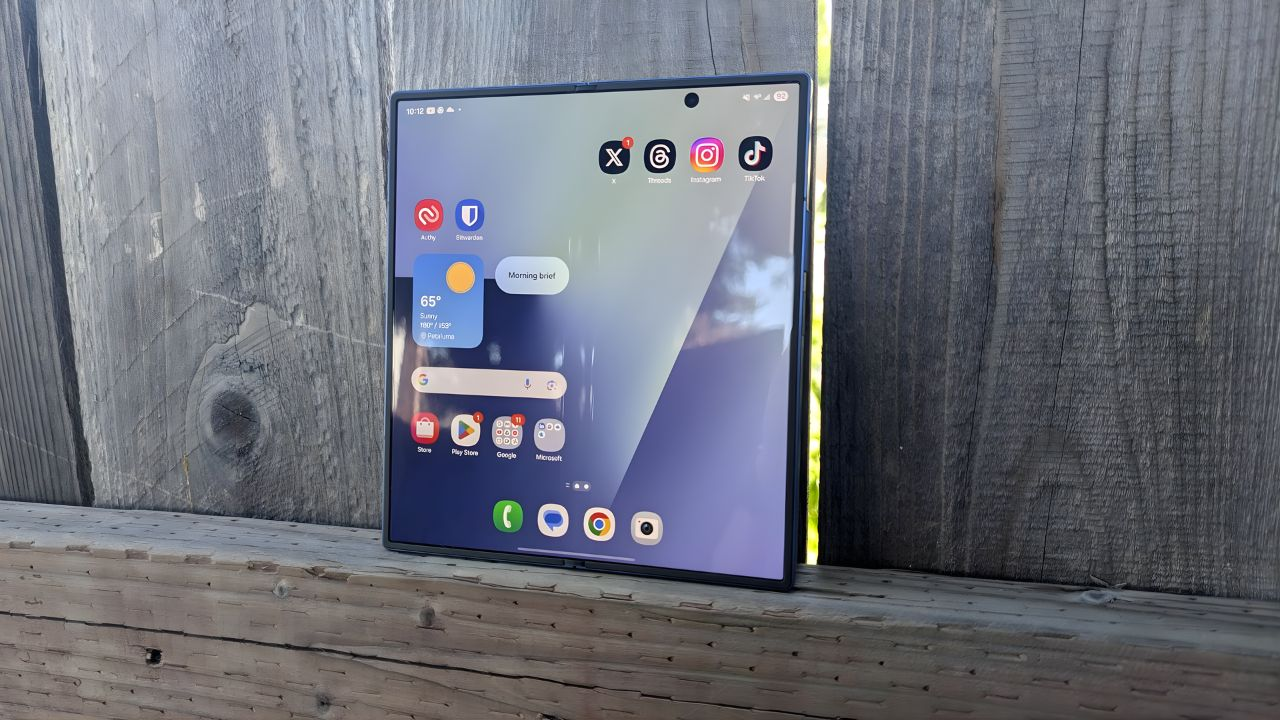
At the heart of the Galaxy Z Fold 8 Wide is its distinct form factor, which departs sharply from previous models. Leaked dummy units reveal a device that is:
- Much wider and shorter than the standard Galaxy Z Fold 8
- Designed with a 4:3 inner display aspect ratio, aligning more closely with tablets
- Equipped with an outer display reminiscent of the original Google Pixel Fold
This design shift is not subtle—it fundamentally alters how the device is held, used, and perceived. Instead of unfolding into a narrow tablet-like screen, the Wide version promises a more natural, balanced viewing experience, closer to traditional tablets and even Apple’s iPad proportions.
The dimensions reinforce this change:
- Unfolded: 123.9 × 161.4 × 4.99 mm
- Folded: 123.9 × 82.2 × 9.8 mm
This makes the device feel compact yet expansive, a hybrid between a smartphone and a mini tablet.
Why Samsung Is Going Wide Now
The timing of this design pivot is not accidental. Industry signals suggest Samsung is anticipating competition from Apple’s first foldable iPhone, rumored to adopt a similar wide format.
By introducing the Fold 8 Wide, Samsung is effectively:
- Pre-empting Apple’s entry into foldables
- Addressing criticism of narrow foldable displays
- Expanding its lineup to cater to different user preferences
This is not just product diversification—it’s a strategic maneuver to maintain leadership in a category Samsung pioneered.
Side-by-Side: Fold 8 vs Fold 8 Wide vs Flip 8
Leaked images of dummy units show all three upcoming devices together:
- Galaxy Z Fold 8: Familiar tall, narrow book-style design
- Galaxy Z Fold 8 Wide: Shorter, broader, tablet-like footprint
- Galaxy Z Flip 8: Compact clamshell form
What stands out is how the Wide model nearly matches the Flip 8 in footprint when closed, despite offering a significantly larger internal display. This suggests a design optimized for portability without sacrificing usability.
Display: Moving Toward a Tablet Experience
The Galaxy Z Fold 8 Wide’s display configuration is central to its appeal:
- Inner display: ~7.6 inches
- Cover display: ~5.4–5.6 inches
- Aspect ratio: 4:3
This 4:3 ratio is a major departure from Samsung’s traditional foldables and brings several advantages:
- Better multitasking layouts
- Improved media consumption
- More natural reading and browsing experience
In essence, Samsung is positioning the device as a foldable tablet that fits in your pocket, rather than a stretched smartphone.
Hardware and Performance Expectations
While the design is revolutionary, the hardware remains firmly in flagship territory:
- Processor: Snapdragon 8 Elite Gen 5 for Galaxy (expected)
- RAM: 12GB or 16GB
- Storage: 256GB / 512GB / 1TB
- Battery: ~4,800mAh
- Charging: 45W wired, 25W wireless
These specifications suggest that the Wide model is not just a design experiment—it’s a fully premium device built for high performance.
Camera System: Familiar Yet Unconfirmed
Early leaks indicate a dual-camera setup, with expectations including:
- A 200MP main sensor, similar to recent Galaxy flagships
- A secondary lens (ultra-wide or telephoto, still unclear)
- A potentially smaller selfie camera cutout for a sleeker look
While not revolutionary, the camera system is expected to deliver flagship-level imaging, consistent with Samsung’s recent devices.
Wireless Charging and Qi2 Ambiguity
Interestingly, dummy units reveal circular cutouts on the back, likely for wireless charging components. These could indicate support for magnetic Qi2 charging, though Samsung’s commitment to the standard remains uncertain.
If confirmed, this could bring:
- Better accessory alignment
- Improved charging efficiency
However, skepticism remains, as Samsung has historically been cautious about fully adopting Qi2.
Software: Built for Foldables
The Galaxy Z Fold 8 Wide is expected to ship with One UI 9, bringing:
- Advanced multitasking features
- Enhanced Flex Mode
- Samsung DeX support for desktop-like productivity
- AI-powered tools like Ask AI in Samsung Internet
Samsung’s software ecosystem is a key advantage, ensuring the Wide model is not just different—but also optimized for its new form factor.
Release Timeline and Market Positioning
Samsung is reportedly planning a July 22 launch event, where the Fold 8 Wide will debut alongside the Fold 8 and Flip 8.
Key expectations include:
- Premium pricing, likely similar to the Fold 8 (around $1,999 or higher)
- Potential global availability, especially if targeting Apple competition
- Initial production of up to one million units
There is also speculation that the Wide model could be treated as a “Special Edition”, possibly launching later in select markets.
Who Is the Fold 8 Wide For?
The Galaxy Z Fold 8 Wide is clearly designed for a specific audience:
Ideal for:
- Users who dislike tall, narrow foldables
- Those seeking a tablet-like experience in a phone
- Early adopters intrigued by new form factors
Not ideal for:
- Users satisfied with existing Fold designs
- Those prioritizing camera or performance upgrades over design
The Bigger Picture: A Turning Point for Foldables?
The Galaxy Z Fold 8 Wide represents more than just a new device—it signals a potential shift in the foldable market’s direction.
For years, manufacturers have focused on making foldables thinner, lighter, and more durable. Samsung’s new approach suggests a different priority:
Reimagining usability through form factor.
If successful, the Wide model could:
- Influence future foldable designs across the industry
- Set new standards for aspect ratio and ergonomics
- Challenge competitors—especially Apple—before they even enter the market
Conclusion: Innovation Beyond Iteration
The Samsung Galaxy Z Fold 8 Wide is shaping up to be one of the most significant foldable releases in years. By abandoning the familiar tall design in favor of a wider, more tablet-like form, Samsung is taking a calculated risk—one that could either redefine the category or fragment its audience.
What’s clear is that Samsung is no longer content with incremental updates. With the Fold 8 Wide, it’s pushing the boundaries of what a foldable device can be—and inviting users to rethink how they interact with their smartphones.


