

Street Fighter 2026: Cody Rhodes’ Guile and the Bold Reinvention of a Fighting Icon
A High-Stakes Return to the Arena
The upcoming live-action adaptation of Street Fighter is positioning itself as one of the most ambitious video game films in recent years. Slated for release on October 16, 2026, the film signals a deliberate shift in tone, style, and storytelling—moving away from grounded realism and leaning fully into the franchise’s exaggerated, arcade-driven identity.
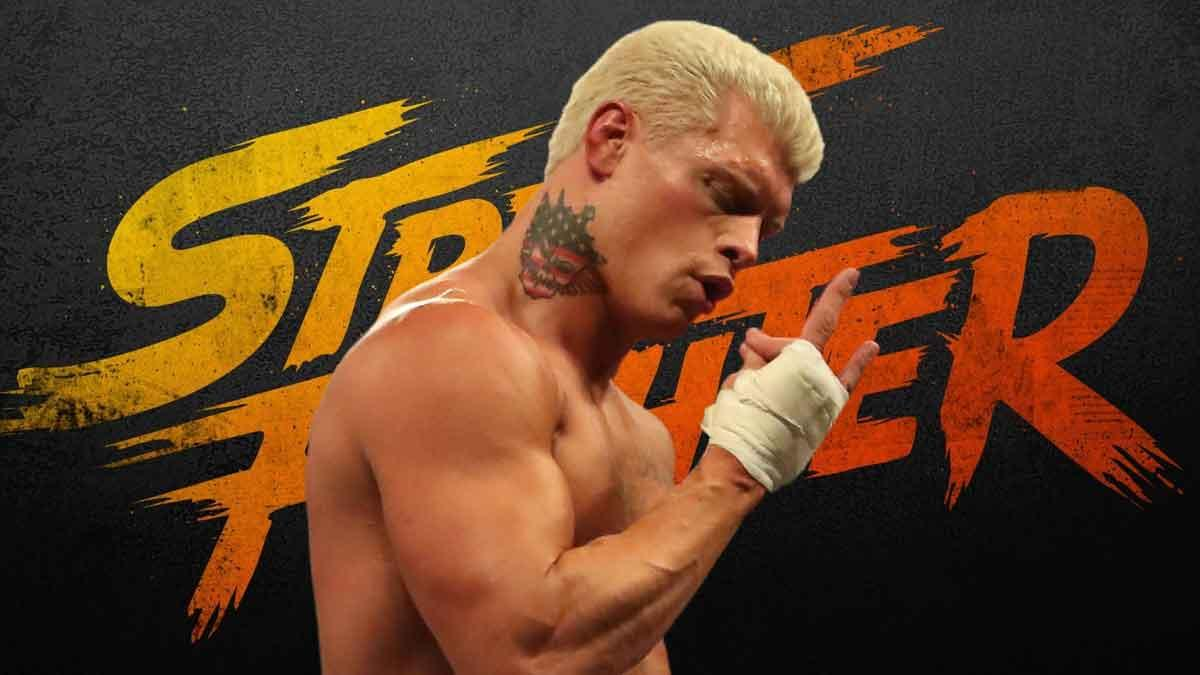
Directed by Kitao Sakurai, the project embraces spectacle, nostalgia, and a sprawling ensemble cast. Among the most notable additions is Cody Rhodes, who steps into the role of Guile—one of the franchise’s most recognizable fighters. His inclusion reflects a broader casting strategy that blends actors, athletes, and entertainers into a roster designed to mirror the diversity of the original games.
With marketing ramping up following a major trailer reveal, the film is no longer a speculative reboot—it is now a clearly defined cinematic event.
A Tournament with More Than Just Combat
At its core, the narrative centers on a familiar structure: the World Warrior Tournament. However, this is not merely a sequence of fights. The story introduces a layered conflict where combat serves as both spectacle and narrative vehicle.
The plot follows Ryu (played by Andrew Koji) and Ken Masters (portrayed by Noah Centineo), estranged fighters who are drawn back into action by Chun-Li (Callina Liang). Their mission extends beyond victory in the ring. A hidden conspiracy—linked to the villainous M. Bison—transforms the tournament into a high-risk investigation.
This dual-layer narrative—combining tournament progression with conspiracy unraveling—creates a structure that allows for both action-driven pacing and character-driven tension. The fights are not isolated events; they are embedded within a broader storyline that escalates stakes with each encounter.
Cody Rhodes as Guile: A Strategic Casting Move
The decision to cast Cody Rhodes as Guile is more than a novelty—it is a calculated alignment between character archetype and performer persona.
Guile, traditionally depicted as a disciplined military figure with a strong sense of justice, requires physical credibility and screen presence. Rhodes, known for his athleticism and commanding persona in professional wrestling, brings both attributes. His background suggests an emphasis on physical performance rather than purely cinematic acting, which aligns with the film’s focus on choreography-heavy combat sequences.
This casting also signals a broader trend in action filmmaking: the integration of performers with combat or athletic backgrounds to enhance realism in fight scenes. Within a film that already leans into stylized action, this approach ensures that the physicality remains convincing.
A Deliberate Embrace of Arcade Identity
One of the most defining aspects of the 2026 adaptation is its tonal direction. Rather than attempting to modernize or “ground” the source material, the film embraces its origins.
The trailer and promotional materials highlight a self-aware, camp-infused tone. The use of exaggerated moves, vibrant settings, and nostalgic callbacks indicates a conscious effort to replicate the experience of playing the game itself. This includes:
- A 1993 setting that mirrors the era when the franchise gained global prominence
- Character designs and abilities that remain faithful to their arcade counterparts
- A narrative structure that mimics progression through a fighting tournament
This approach is not accidental. It reflects an understanding that the franchise’s appeal lies in its stylization. By preserving that identity, the film avoids the pitfalls that affected earlier adaptations, which often struggled to balance realism with source material fidelity.
A Cast Built for Recognition and Range
The ensemble cast is extensive and intentionally eclectic. Beyond the central trio, the film features:
- Jason Momoa as Blanka
- Roman Reigns as Akuma
- David Dastmalchian as M. Bison
- Curtis Jackson as Balrog
- Vidyut Jammwal as Dhalsim
This casting strategy prioritizes recognition. Each performer brings an existing audience, expanding the film’s reach across different demographics. At the same time, the diversity of backgrounds—ranging from Hollywood actors to musicians and athletes—reinforces the idea of a “roster,” mirroring the character selection screen of the original game.
The result is a cast that functions not just as a narrative ensemble, but as a marketing tool designed to generate interest across multiple audience segments.
Marketing as an Extension of Gameplay
The promotional campaign itself reflects the film’s thematic alignment with gaming culture. Reports of global flyer drops, QR code integrations, and countdown activations suggest an interactive approach to marketing.
These elements transform the promotional experience into a form of participation. Rather than passively consuming trailers, audiences are invited to engage with the campaign—mirroring the interactivity of the games themselves.
This strategy is particularly effective for a franchise with a strong nostalgic base. By tapping into familiar mechanics—such as player selection screens and stage-inspired visuals—the campaign reinforces the film’s identity before audiences even enter the theater.
Industry Context: A High-Risk, High-Reward Adaptation
Historically, adaptations of Street Fighter have struggled to achieve critical and commercial success. This creates a high-risk environment for the 2026 film.
However, several factors differentiate this iteration:
- Clear tonal direction – embracing camp rather than avoiding it
- Strong production backing – with Paramount Pictures leading distribution
- Expanded character roster – appealing to long-time fans
- Modern marketing strategies – leveraging interactivity and global engagement
These elements suggest a deliberate attempt to address past shortcomings. Whether this approach will translate into success remains uncertain, but the alignment between creative vision and audience expectations is more evident than in previous efforts.
What Comes Next Before Release
With six months remaining before release, the film enters its most critical phase: sustained audience engagement. Expectations include:
- Additional trailers focusing on individual characters
- Expanded promotional events tied to gaming communities
- Increased visibility across social media platforms
The CinemaCon debut has already established momentum. The next phase will determine whether that momentum can be maintained—and converted into box office performance.
Final Assessment: A Calculated Reinvention
The 2026 Street Fighter film is not attempting to redefine the franchise—it is attempting to represent it more faithfully. By embracing its arcade roots, expanding its cast, and integrating performers like Cody Rhodes into key roles, the film positions itself as both a nostalgic tribute and a modern spectacle.
Its success will depend on execution. The tone, cast, and marketing are aligned, but the balance between spectacle and narrative remains critical. If the film delivers on both fronts, it could establish a new benchmark for video game adaptations.
If not, it risks joining a long list of ambitious projects that struggled to translate interactive experiences into cinematic form.


