
Street Fighter (2026) Trailer Breakdown: A Bold, Nostalgic Reinvention of a Gaming Icon
A High-Energy Return to the Arena
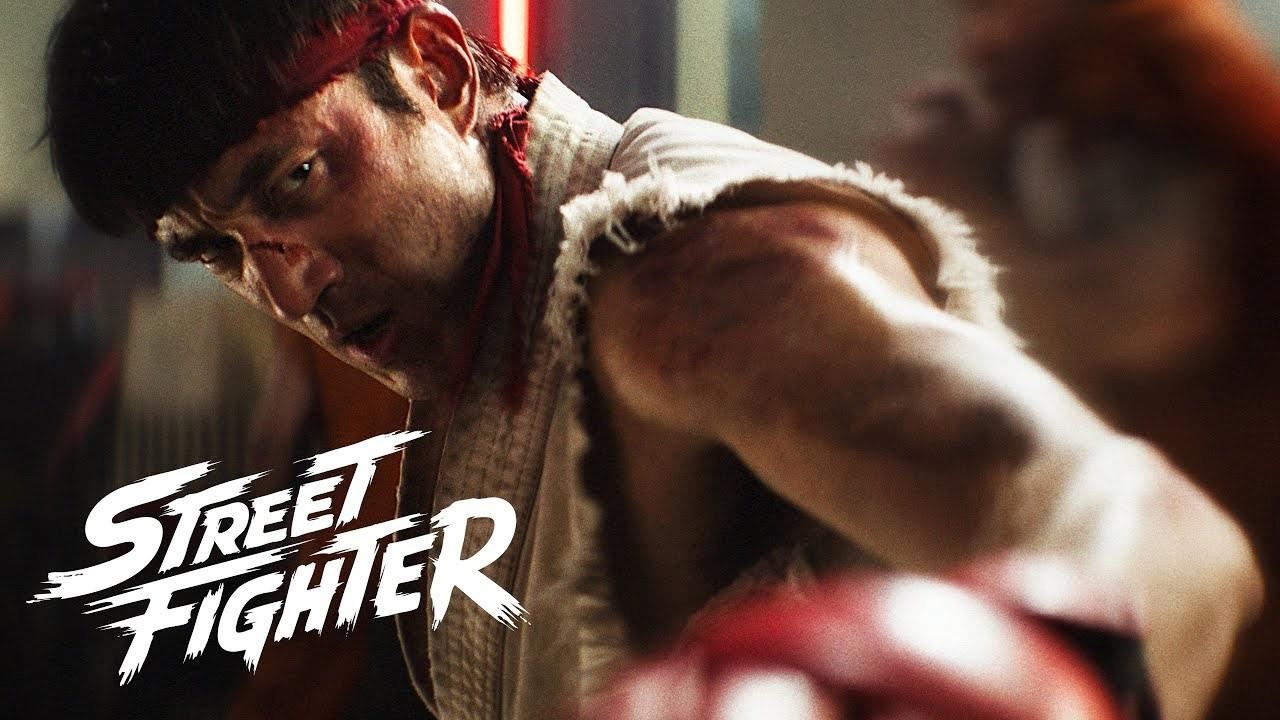
The official trailer for the upcoming Street Fighter (2026) film signals a decisive shift in how video game adaptations are approaching blockbuster storytelling. Released by Paramount Pictures ahead of CinemaCon, the trailer introduces a stylized, action-heavy reinterpretation of the iconic franchise, combining nostalgia, spectacle, and an intentionally over-the-top tone.
Set for theatrical release on October 16, 2026, the film is directed by Kitao Sakurai and builds on decades of legacy from the Capcom franchise, which has sold over 55 million units worldwide.
Rather than aiming for realism or grounded drama, the trailer embraces the franchise’s arcade roots—delivering exaggerated combat, colorful characters, and a tone that leans into spectacle rather than restraint.
Storyline: Rivalries, Redemption, and a Hidden Threat
At the core of the film is a narrative centered on fractured relationships and a looming global conspiracy.
Set in 1993, the story follows estranged fighters Ryu (played by Andrew Koji) and Ken Masters (played by Noah Centineo), who are pulled back into combat when Chun-Li (Callina Liang) recruits them for the World Warrior Tournament.
This tournament serves as more than just a battleground—it becomes the stage for uncovering a deeper conspiracy tied to M. Bison (David Dastmalchian), a central antagonist whose influence extends beyond the arena.
The narrative tension escalates as Ryu and Ken are forced not only to confront powerful opponents but also their shared past—and ultimately, each other.
A Cast Built for Spectacle
The trailer emphasizes a large, high-profile ensemble cast, blending established actors, athletes, and musicians to reflect the franchise’s diverse roster of fighters.
Key cast members include:
- Jason Momoa as Blanka
- Joe Anoai as Akuma
- Curtis Jackson as Balrog
- Cody Rhodes as Guile
- Vidyut Jammwal as Dhalsim
- Orville Peck as Vega
This casting strategy reflects a deliberate attempt to capture the global, multi-style nature of the original games, where fighters from different countries and disciplines collide.
Tone and Style: Embracing the Absurd
One of the most notable aspects of the trailer is its unapologetic tone. Rather than following the darker, more serious direction seen in recent adaptations like Mortal Kombat, this film opts for vibrant, exaggerated action and a sense of playful absurdity.
The trailer showcases:
- Bright, stylized fight sequences
- Signature moves and “super” attacks inspired by the games
- A retro aesthetic rooted in early 1990s culture
- A soundtrack choice that leans into meme culture and nostalgia
This approach appears intentional—designed to appeal both to longtime fans seeking authenticity and to new audiences looking for high-energy entertainment without heavy narrative weight.
Faithfulness to the Source Material
Unlike earlier live-action attempts, the 2026 film appears committed to honoring the visual and thematic identity of the original games.
The trailer highlights:
- Classic character designs closely aligned with their game counterparts
- Inclusion of fighters from multiple Street Fighter eras
- A tournament structure centered around global competition
- The presence of Shadaloo, the villainous organization led by M. Bison
This fidelity suggests a strategic pivot: rather than reinventing the franchise, the film aims to replicate its essence in cinematic form.
Industry Context: A Turning Point for Video Game Adaptations?
The release of the trailer comes at a time when video game adaptations are undergoing a broader transformation in Hollywood.
Historically, films based on games struggled with tone, narrative coherence, and fan expectations. However, recent successes across film and television have demonstrated that audiences respond positively to adaptations that respect their source material.
Street Fighter enters this evolving landscape with a distinct identity—leaning heavily into stylization and fan service rather than attempting to redefine the genre.
Early audience reactions to the trailer suggest cautious optimism. While some viewers acknowledge the potential for style to overshadow substance, others view the film’s “fun-first” approach as its strongest asset.
What the Trailer Reveals About the Film’s Direction
The trailer functions as more than just a promotional tool—it establishes clear expectations for the final product.
It communicates that:
- The film prioritizes entertainment over realism
- Character-driven rivalries will anchor the story
- The visual style will mirror arcade-era aesthetics
- The narrative will combine tournament action with a conspiracy subplot
Importantly, it also signals that the filmmakers are aware of past adaptation failures and are actively choosing a different path.
Release Date and What Comes Next
Street Fighter is scheduled for a global theatrical release on October 16, 2026.
As marketing continues, additional trailers and promotional material are expected to expand on:
- Character backstories
- The scope of the tournament
- The nature of M. Bison’s conspiracy
- The film’s balance between humor and action
The upcoming CinemaCon presentation may also provide further insights into the film’s scale and reception within the industry.
Conclusion: A Calculated Gamble That Could Redefine the Franchise
The Street Fighter (2026) trailer positions the film as a high-risk, high-reward project. By embracing the franchise’s inherent absurdity and leaning into nostalgia, the filmmakers are making a calculated bet: that audiences are ready for a version of Street Fighter that prioritizes fun, spectacle, and authenticity.
Whether this approach translates into critical and commercial success remains uncertain. However, based on the trailer alone, the film has already achieved one key objective—it has made itself distinct.
And in a crowded landscape of adaptations, that may be its most valuable advantage.


