

Grocery Pricing Under Scrutiny: Inside the Loblaw and Sobeys Meat Weight Controversy
A Persistent Problem Resurfaces
Concerns over grocery pricing accuracy have returned to the spotlight after a new investigation revealed that some stores operated by Loblaw Companies Limited and Sobeys may once again be overcharging customers for meat.
The issue is not new. It reflects a pattern of repeated discrepancies in how packaged meat is weighed and priced—raising broader questions about consumer protection, regulatory enforcement, and trust in major grocery chains.
At the center of the controversy is a straightforward but consequential problem: consumers appear to be paying for more meat than they actually receive.
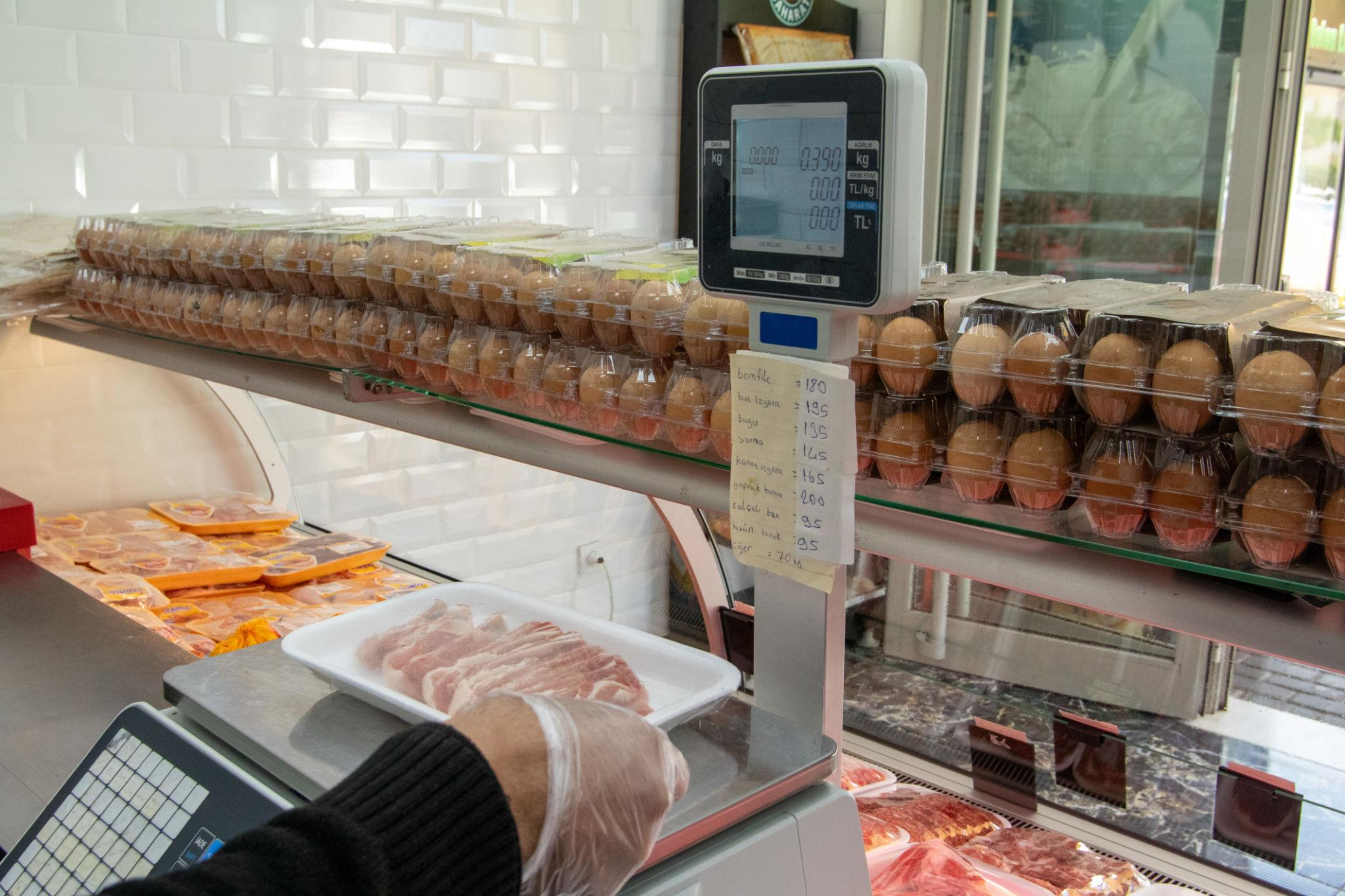
How the Investigation Uncovered the Issue
A two-month secret shopping investigation examined pricing accuracy across multiple stores in major Canadian cities, including Toronto, Vancouver, and Halifax. Investigators purchased and weighed packaged meat products to verify whether the labeled weight matched the actual contents.
The process achieved a clear objective: it tested whether retailers were complying with federal requirements that mandate accurate “net weight” declarations—excluding packaging.
The findings were consistent and concerning:
- 32 underweight meat products were identified
- Overcharges ranged from 2% to 16.7%
- Items included chicken breasts, thighs, and beef cuts
- The discrepancies appeared linked to packaging weight being included in pricing
This practice directly contradicts federal regulations, which require that only the edible portion of the product be reflected in the price.
The Packaging Problem: Where Errors Occur
At the core of the issue is a technical but critical error in weighing procedures.
Retailers are required to:
- Measure the net weight of the meat only
- Exclude plastic trays, wrapping, and absorbent pads
However, the investigation suggests that in multiple cases, meat was weighed with packaging included, inflating both the displayed weight and final price.
For example:
- A pack of chicken breasts priced at $9.42 included an extra $1.35 (16.7%) due to miscalculation
- Another product showed a 12.5% overcharge under similar conditions
These are not marginal discrepancies. In regulatory terms, they significantly exceed allowable tolerances for pre-packaged goods.
Not an Isolated Incident: A Pattern Since 2023
The 2026 findings are part of a broader timeline:
2023
A consumer complaint triggered scrutiny into meat pricing practices, eventually leading to a class-action lawsuit against Loblaw.
2025
A previous investigation found widespread underweight meat across Western Canada. Loblaw attributed the issue to an “error” affecting 80 stores, while both companies pledged corrective action.
2026
Despite those assurances, the latest investigation shows the issue persists—suggesting that earlier interventions may have been insufficient.
This repeated cycle has intensified concerns that the problem is systemic rather than incidental.
Consumer Impact: Small Errors, Large Costs
While individual discrepancies may seem minor, their cumulative impact is significant.
A former inspector from the Canadian Food Inspection Agency estimated that misweighed meat could cost consumers millions of dollars annually.
For shoppers already dealing with rising food costs, the issue compounds financial strain:
- Grocery prices have increased 30% since 2021
- Meat, one of the most expensive staples, is disproportionately affected
- Even small percentage overcharges can add up over time
Consumer frustration is evident, particularly among repeat buyers who discovered discrepancies multiple times.
Corporate Responses: Apologies and Explanations
Both grocery chains have responded, but their explanations differ in tone and detail.
Loblaw
- Issued an apology
- Stated it “takes weight accuracy seriously”
- Claimed the issue was limited to a small number of stores and products
- Confirmed internal reviews of weighing protocols
Sobeys
- Acknowledged that “errors” can occur
- Indicated investigations are conducted when issues arise
- Suggested some products are packaged by third-party suppliers
However, regulators clarified that responsibility ultimately lies with all participants in the supply chain—not just suppliers.
Regulatory Oversight: Limited Enforcement Power
The Canadian Food Inspection Agency (CFIA) plays a central role in enforcement, but its approach has drawn criticism.
Current enforcement measures:
- Increased inspections since 2025
- 236 spot checks conducted after earlier reports
- Issued warnings, but no significant fines
The maximum penalty currently stands at $15,000, which critics argue is insufficient for large corporations.
There are growing calls for stricter enforcement, including:
- Higher fines to deter repeat violations
- More frequent inspections
- Stronger accountability mechanisms
A review of penalty limits is expected as part of the government’s 2026 budget considerations.
Why This Matters Beyond Groceries
The implications extend beyond pricing errors.
1. Consumer Trust
Repeated incidents erode confidence in major retailers, particularly when issues persist after public commitments to fix them.
2. Regulatory Effectiveness
The gap between regulations and enforcement raises questions about whether current oversight is adequate.
3. Market Fairness
Accurate pricing is fundamental to fair competition. Systematic overcharging distorts that balance.
4. Cost-of-Living Pressure
With food prices already elevated, even minor discrepancies can have disproportionate effects on household budgets.
What Consumers Can Do
While systemic solutions require regulatory action, individual consumers can take practical steps:
- Weigh products at home when possible
- Check labels carefully, especially for high-cost items
- Report discrepancies to the CFIA through official channels
- Raise concerns directly with store management
These actions do not solve the structural issue, but they increase accountability at the point of sale.
Looking Ahead: Will the Cycle Continue?
The recurrence of meat weight discrepancies in 2023, 2025, and now 2026 suggests that voluntary compliance alone may not be sufficient.
Future developments to watch include:
- Potential increase in regulatory penalties
- Expanded inspection programs
- Greater transparency in supply chain practices
- Possible legal outcomes from ongoing litigation
Whether these measures will break the cycle remains uncertain. What is clear is that the issue has moved from isolated incidents to a sustained public concern.
Conclusion
The Loblaw and Sobeys meat weight controversy highlights a persistent flaw in grocery retail practices—one that directly affects consumers’ wallets and confidence.
Despite prior investigations, public scrutiny, and corporate assurances, the problem has resurfaced with measurable impact. The combination of rising food prices and inaccurate product weights has intensified the issue, making it both an economic and regulatory concern.
Without stronger enforcement and systemic changes, the risk is that such discrepancies will continue to recur, leaving consumers to bear the cost.


