
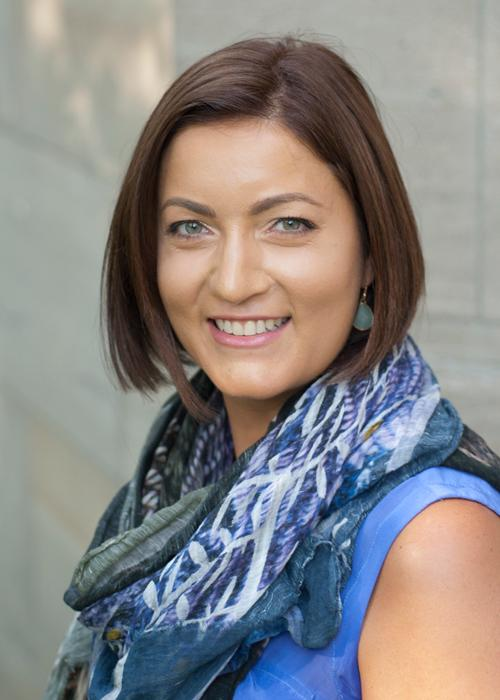
Danielle Martin: From Physician to Parliament — A Defining Political Transition in Canada
A Doctor Steps Into National Leadership
In a moment that blends public service with political momentum, Danielle Martin has emerged as a significant new figure in Canadian politics. Her recent victory in the University—Rosedale byelection is more than a local win—it signals a shift in how expertise from healthcare and academia is entering the political arena at a critical time.
Martin, a respected family physician and healthcare leader, will soon take her seat in the House of Commons following her Liberal Party victory in Toronto. Her win not only reflects voter confidence in her professional background but also plays a decisive role in shaping the broader political landscape.
The Byelection That Shifted the Balance
The University—Rosedale byelection carried national weight. Martin’s victory was one of several Liberal wins, but it stood out as the first result declared on election night. The outcome proved pivotal: it secured a razor-thin majority government for Prime Minister Mark Carney.
Her opponents included Conservative candidate Don Hodgson and New Democrat Serena Purdy, but Martin maintained an early lead as results came in. Supporters gathered in central Toronto celebrated enthusiastically, chanting “Canada strong!” as the numbers confirmed her victory.
This result underscores how tightly contested Canadian federal politics remains, where even a single riding can determine the governing party’s strength.
A Career Built on Health and Leadership
Before entering politics, Martin had already built a substantial reputation in Canada’s healthcare system.
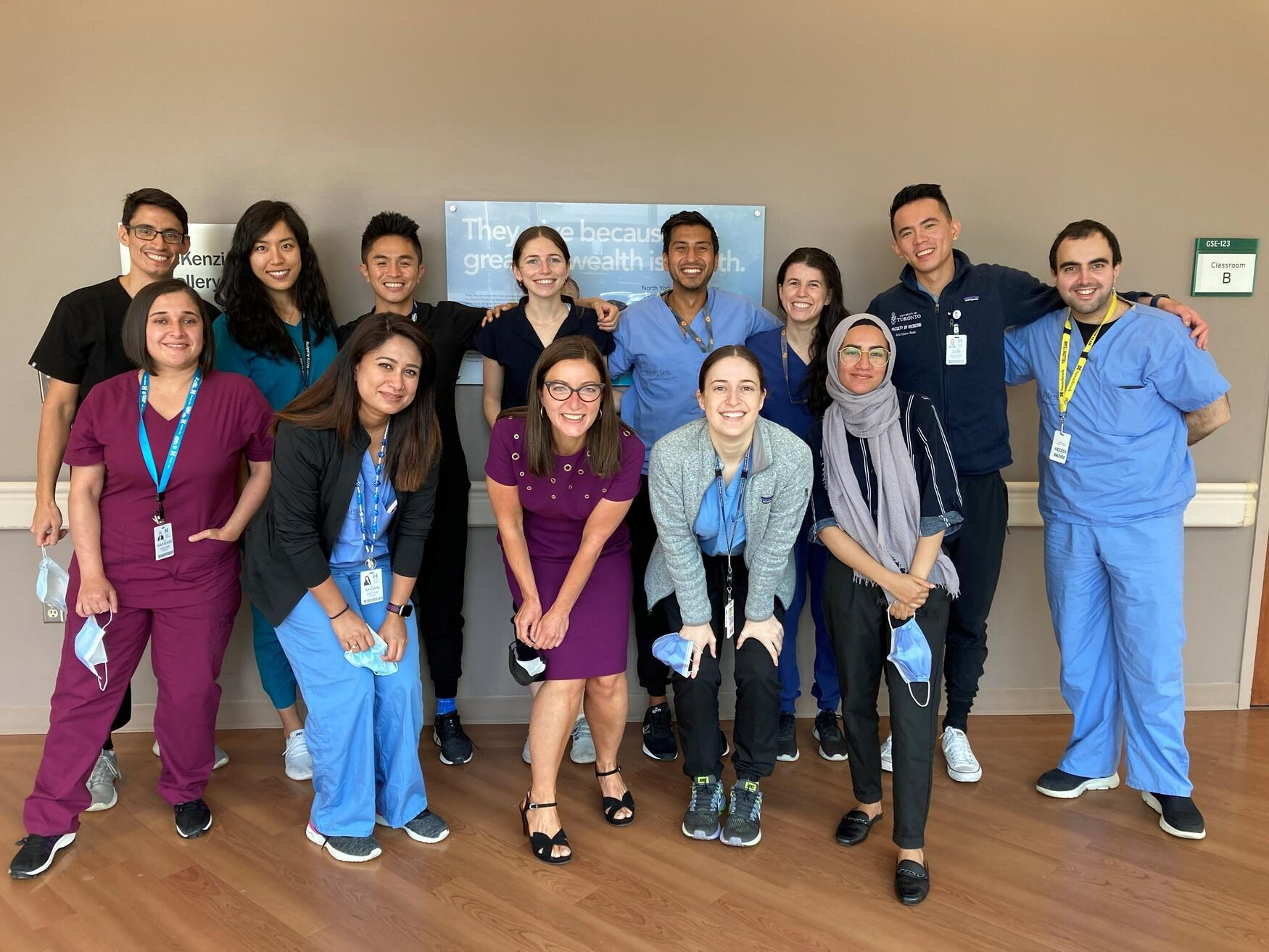
She served as executive vice-president of Women’s College Hospital, a role that placed her at the forefront of healthcare innovation and administration. In parallel, she led the department of family and community medicine at the University of Toronto, one of the country’s leading academic institutions.
Her expertise extends beyond Canada. In 2014, Martin appeared before a United States Senate subcommittee, where she spoke about Canada’s public healthcare system—an appearance that highlighted her authority on international health policy discussions.
This combination of clinical experience, academic leadership, and policy engagement distinguishes her from many first-time politicians.
Election Night: A Message of Urgency and Purpose
When Martin addressed her supporters after the victory, her remarks reflected both humility and urgency.
She described herself as “humbled” by the result, while emphasizing that the mandate given to the Liberal Party is not one of delay but of immediate action.
Her words were direct:
“As of tonight, Mark Carney and our entire incredible Liberal team have earned an even more powerful mandate to continue building a better Canada.”
She added:
“This is not a mandate to be quiet. It is not a mandate to take our time. It is a mandate to get to work.”
Martin also framed her transition from medicine to politics through the lens of her profession:
“Good physicians share two skills: listening and building relationships.”
That philosophy appears central to her political identity—one grounded in service delivery, systems-building, and responsiveness to community needs.
The Riding and Its Political Legacy
University—Rosedale is not just any electoral district. It had been held since 2015 by Chrystia Freeland, a prominent figure who served as deputy prime minister before stepping down earlier in 2026 to take on an international advisory role.
Freeland publicly congratulated Martin, expressing confidence in her ability to represent the community effectively.
This transition marks a continuity of Liberal leadership in the riding, but with a distinct shift in professional background—from international diplomacy and finance to healthcare and community medicine.
A Broader Trend: Professionals Entering Politics
Martin’s election highlights a broader pattern in modern democracies: the increasing entry of professionals—particularly from healthcare—into legislative roles.
Her career reflects key competencies that are increasingly valued in governance:
- Systems thinking from healthcare administration
- Evidence-based decision-making
- Direct engagement with public needs
- Experience managing crises and resource constraints
Prime Minister Carney reinforced this perspective, noting that Martin has spent her career “building better public health care for Torontonians and all Canadians” and that her presence in Parliament will strengthen the country.
Policy Implications: Healthcare at the Forefront
Martin’s arrival in Parliament comes at a time when healthcare systems across Canada are under pressure—from workforce shortages to increasing demand for services.
Her background positions her to influence:
- Public healthcare funding models
- Primary care accessibility
- Institutional reform and service delivery
- Integration between federal and provincial health systems
Given her previous advocacy and international exposure, her voice may carry weight in shaping future healthcare reforms.
What Comes Next
With the Liberals holding only a narrow majority, every member of Parliament becomes strategically important. Martin is entering a political environment where:
- Legislative margins are tight
- Policy decisions require negotiation and precision
- Public expectations for tangible outcomes are high
Her emphasis on “building” suggests a focus on long-term institutional improvements rather than short-term political wins.
At the same time, her transition from medicine to politics will be closely watched. The effectiveness of that shift—how she translates clinical and administrative expertise into legislative impact—will likely define her early tenure.
Conclusion: A New Kind of Political Profile
Danielle Martin’s rise represents more than a single electoral victory. It illustrates a convergence of expertise and governance, where professional experience outside politics becomes a central qualification for leadership.
Her election reshapes both the political balance in Ottawa and the profile of those entering public office. As Canada navigates complex challenges—particularly in healthcare—her role may prove consequential not just for her riding, but for national policy direction.


