
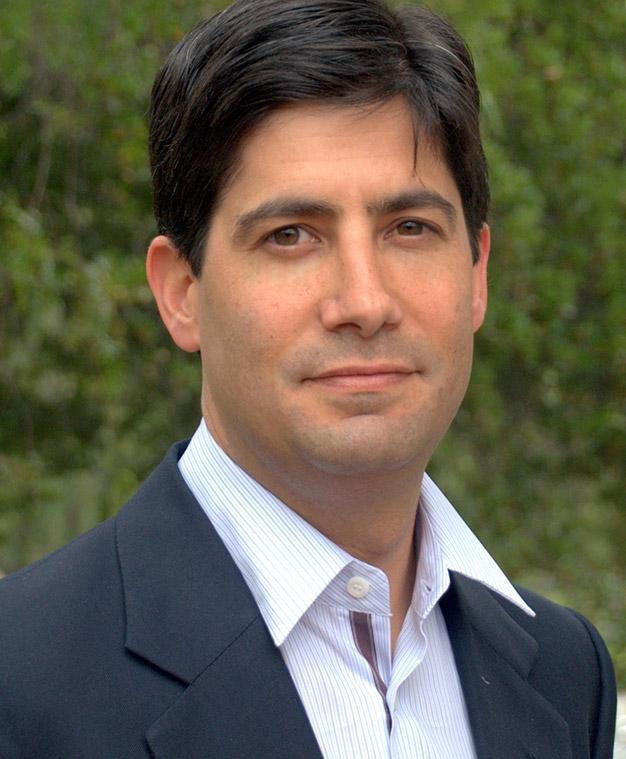
Kevin Warsh’s Federal Reserve Nomination: A High-Stakes Test of Politics, Wealth, and Monetary Power
A Critical Moment for the Federal Reserve
The nomination of Kevin Warsh to lead the Federal Reserve has moved into a decisive phase, setting the stage for what could become one of the most closely scrutinized confirmation battles in recent years.
Backed by Donald Trump, Warsh is positioned as a potential successor to current Federal Reserve Chair Jerome Powell. However, the path to confirmation is proving complex—defined by procedural hurdles, political resistance, and intense scrutiny over his financial background.
This nomination is not merely about leadership at the central bank. It reflects broader tensions over monetary policy, governance, and the intersection of wealth and public office.
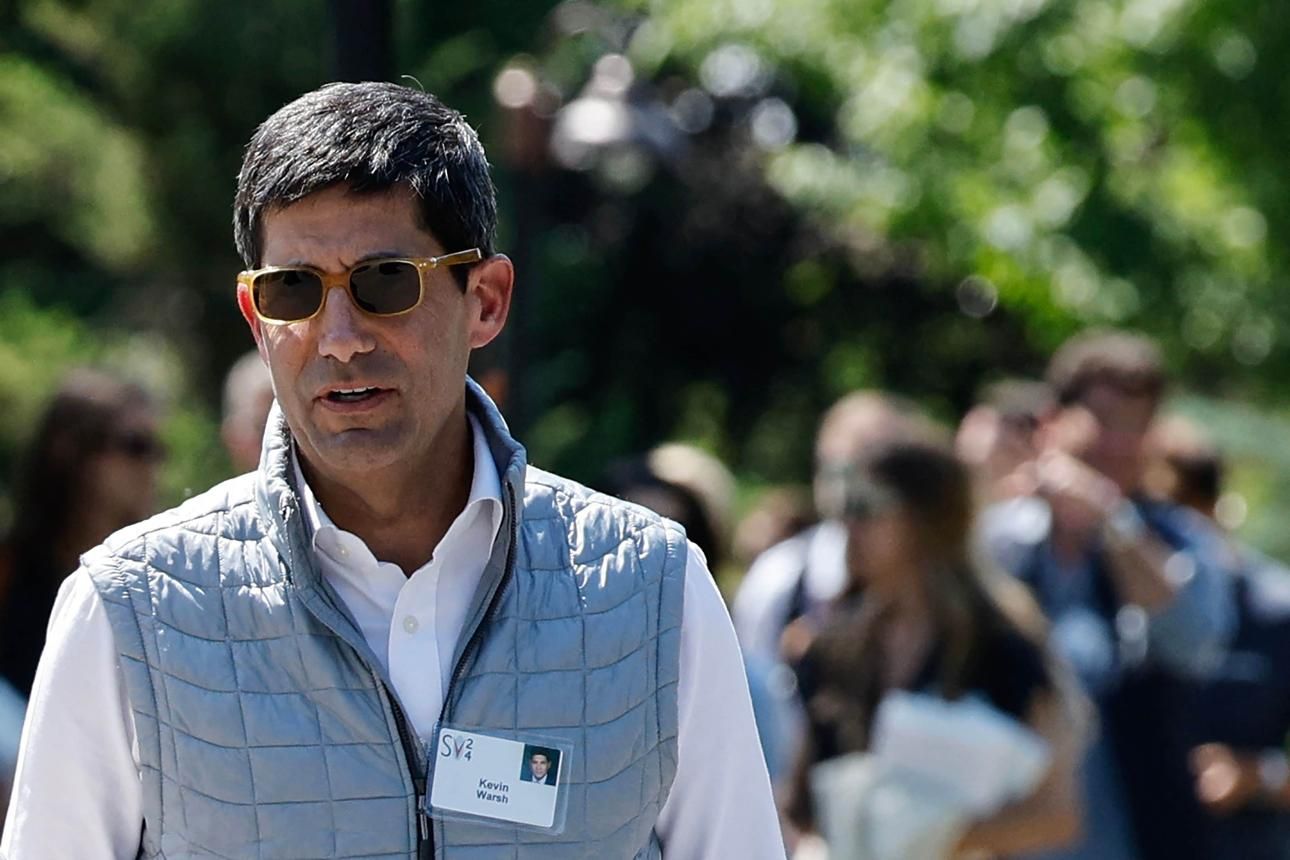
The Nomination Process Gains Momentum
Warsh’s candidacy has advanced after a key procedural step: the submission of required financial disclosures and ethics documentation to the Senate.
These filings are mandatory before a nominee can appear before the Senate Banking Committee for confirmation hearings. According to individuals familiar with the process, the submission of these documents clears a major obstacle that had previously delayed scheduling.
All required paperwork—including an Office of Government Ethics report and committee questionnaire—has now been delivered, positioning the nomination for a formal hearing, expected as early as next week.
Under Senate rules, at least five business days’ notice is required once documentation is complete, meaning the timeline is tight but procedurally feasible.
Wealth Disclosure Becomes Central Issue
While procedural progress has been made, Warsh’s financial disclosures have become a focal point of public and political attention.
His filings indicate assets worth well over $100 million, with estimates ranging between approximately $131 million and $209 million. This level of wealth places him among the richest individuals ever nominated to lead the Federal Reserve.
The disclosure spans roughly 1,800 individual assets, including:
- Large-scale investments such as two holdings exceeding $50 million in the Juggernaut Fund LP
- $10.2 million in consulting income linked to investor Stanley Druckenmiller
- Additional income streams totaling millions from academic and advisory roles
- Dozens of investments in emerging sectors such as artificial intelligence and cryptocurrency
Many of these holdings are subject to confidentiality agreements, limiting detailed public disclosure. However, Warsh has formally pledged to divest key assets if confirmed, stating, “I will divest this asset if confirmed.”
His spouse, Jane Lauder—whose wealth is estimated at approximately $1.9 billion—adds another dimension to the financial profile, further intensifying scrutiny.
Ethics, Compliance, and Divestment Commitments
The Office of Government Ethics has reviewed Warsh’s disclosures and indicated that compliance with federal standards will depend on the execution of his divestment commitments.
An ethics official noted that “once the filer divests these assets, he will be in compliance” with the Ethics in Government Act.
This requirement introduces a structured but critical step in the confirmation process. Divestment is not unusual for high-level nominees, but the scale and complexity of Warsh’s holdings elevate both the logistical challenge and the political sensitivity.
Political Resistance Clouds Confirmation
Despite procedural progress, Warsh’s nomination faces significant political uncertainty.
Senator Thom Tillis has publicly stated that he will block final approval until a federal criminal investigation involving Jerome Powell is resolved.
This stance introduces a conditional barrier that is unrelated to Warsh’s qualifications but could delay or derail the nomination timeline. The investigation itself—linked to oversight of Federal Reserve building renovations—remains unresolved, with legal challenges ongoing.
Even if Warsh clears the Senate Banking Committee, this political bottleneck could complicate the path to a full Senate vote.
Timing Pressure as Powell’s Term Nears End
The timeline for the nomination is further compressed by the approaching end of Powell’s term, scheduled to expire on May 15.
The administration has indicated its expectation that Warsh will be confirmed and in position by that date. However, given the unresolved political and procedural factors, that target appears uncertain.
If confirmation is delayed, Powell has indicated he may continue serving in a temporary capacity, ensuring continuity at the central bank.
Broader Implications for Markets and Policy
The stakes of this nomination extend far beyond Washington.
The Federal Reserve plays a central role in:
- Setting interest rates
- Managing inflation
- Stabilizing financial markets
- Guiding economic policy during global uncertainty
Warsh’s background—spanning Wall Street, academia, and prior service as a Federal Reserve governor—signals a potentially distinct approach to monetary policy.
His investment exposure to sectors such as artificial intelligence and cryptocurrency also raises questions about how future leadership might interpret emerging financial technologies.
At the same time, his substantial personal wealth introduces debate over whether central bank leadership should reflect a broader socioeconomic cross-section or whether expertise outweighs such considerations.
What Comes Next
The immediate next step is a Senate Banking Committee hearing, where Warsh will face questioning on:
- Monetary policy philosophy
- Financial disclosures and divestment plans
- Potential conflicts of interest
- Views on inflation, interest rates, and economic growth
This hearing will serve as the first public test of his candidacy.
From there, the process depends on political alignment within the Senate, resolution of external legal issues, and the administration’s ability to secure sufficient support.
Conclusion: A Nomination That Reflects Larger Fault Lines
Kevin Warsh’s nomination to lead the Federal Reserve encapsulates a convergence of issues rarely aligned so tightly: political strategy, financial transparency, institutional independence, and economic direction.
On one level, the process follows a familiar path—paperwork, hearings, votes. On another, it exposes deeper questions about governance and power at the heart of the U.S. financial system.
Whether Warsh ultimately secures confirmation will depend not only on his credentials but on how effectively he navigates a landscape shaped by scrutiny, partisanship, and high economic stakes.


