

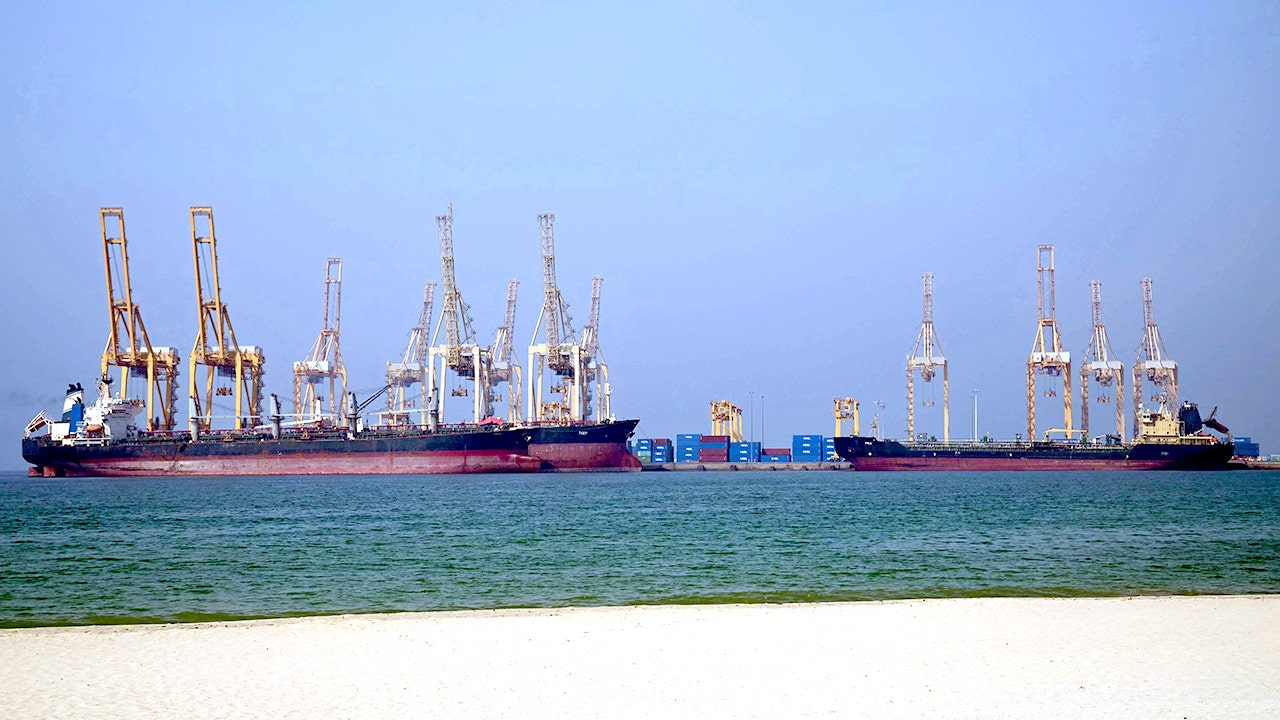
Tanker Traffic Tests the Limits of the Hormuz Blockade
The tanker story at the center of the Strait of Hormuz crisis is not just about one ship. It is about whether a U.S. naval blockade aimed at Iranian ports can be enforced without fully choking one of the world’s most important energy corridors, and whether commercial shipping will keep moving under military pressure, sanctions risk, and geopolitical uncertainty.
On April 14, the first full day of the blockade produced a result that was both limited and politically explosive. Shipping data showed that several tankers still transited the Strait of Hormuz, including the China-linked Rich Starry, even as U.S. authorities said six merchant vessels complied with orders to turn back. That split-screen picture matters. It suggests the blockade is real, but not absolute; forceful, but not airtight; and already vulnerable to conflicting narratives about what counts as a successful interdiction.
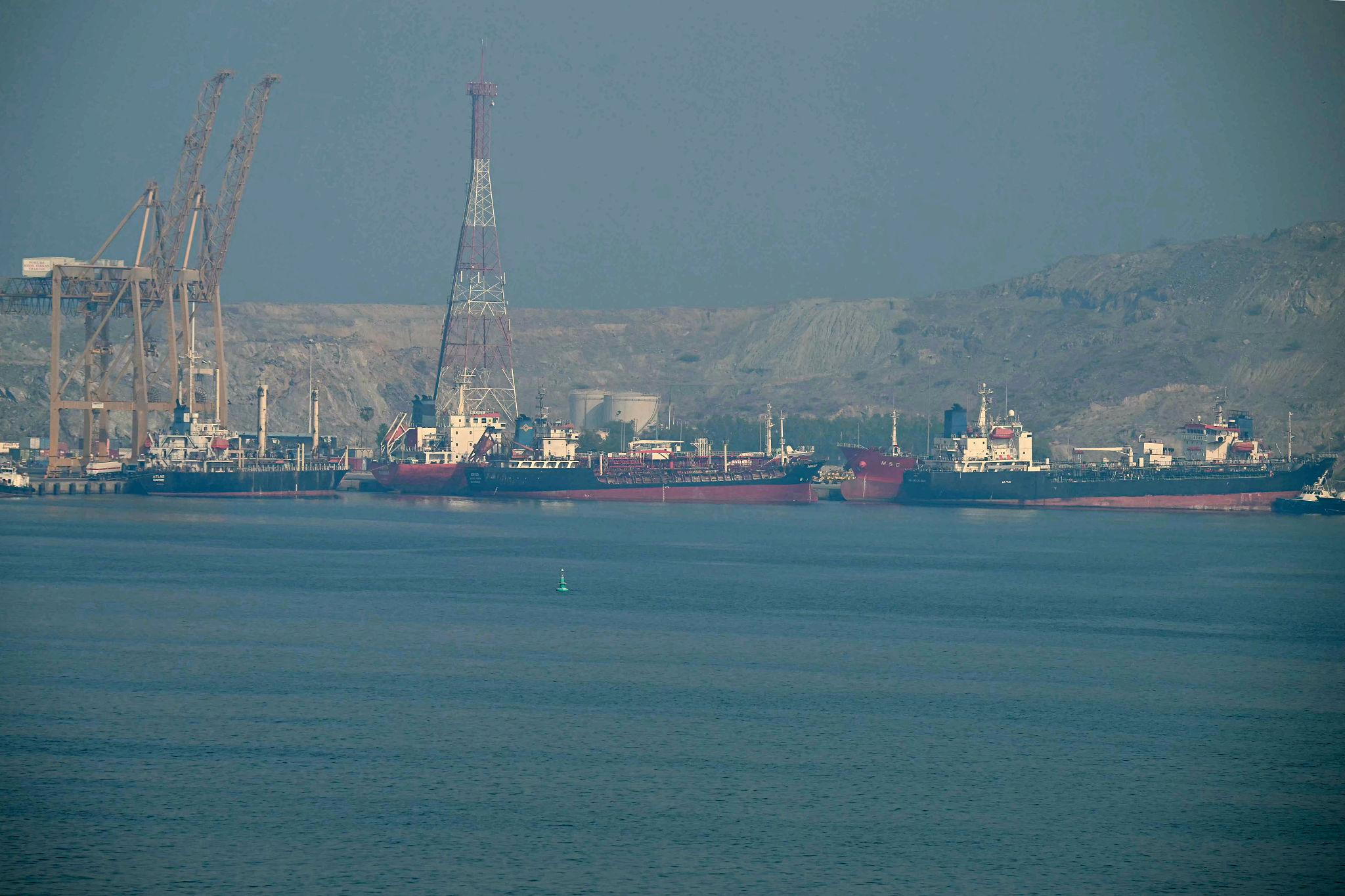
A blockade aimed at ports, not the entire strait
The immediate trigger was the collapse of U.S.-Iran peace talks in Islamabad, after which President Donald Trump announced a blockade on vessels calling at Iranian ports. The distinction is important. Ships transiting the Strait of Hormuz but not heading to Iranian ports are, in principle, outside the blockade’s direct scope. That helps explain why tanker movements continued even after the order took effect.
This is why the tanker issue has become so contested. U.S. military messaging emphasized compliance and deterrence, saying six merchant vessels had turned back and that no ships had made it past the blockade in the first 24 hours. Yet shipping data indicated that traffic through the strait did not stop altogether, and that at least one sanctioned Chinese-owned tanker, Rich Starry, exited the Gulf after the blockade began.
The most reasonable reading is that both claims can be partly true at once: U.S. forces may have successfully prevented some ships from entering or leaving Iranian ports, while other vessels not bound for Iranian terminals continued moving through the waterway. That distinction is now shaping the wider energy and security debate.
The tanker at the center of the drama
Among the vessels drawing the most attention was Rich Starry, a medium-range tanker linked to Shanghai Xuanrun Shipping Co. Ltd. Data cited in the reporting showed that the ship was carrying about 250,000 barrels of methanol and had loaded at Hamriyah in the United Arab Emirates. The tanker and its owner had already been sanctioned by the United States for dealings involving Iran.
The significance of Rich Starry goes beyond its cargo. It became an early test of whether sanctions pressure, military enforcement, and diplomatic warnings would be enough to deter vessels with a known Iran connection. Instead, its passage suggested that some operators are still prepared to move through the strait, especially when the voyage can be framed as involving non-Iranian ports or cargoes.
Other tankers also complicated the picture. Shipping data identified Murlikishan as heading to Iraq to load fuel oil on April 16, while Peace Gulf, a Panama-flagged medium-range tanker, was reported to be heading to Hamriyah in the UAE. Peace Gulf typically moves Iranian naphtha to non-Iranian Middle Eastern ports for export to Asia, underlining how Gulf energy logistics often operate through layered regional routes rather than simple one-country, one-port chains.
Why tanker traffic in Hormuz matters so much
The Strait of Hormuz is not just another sea lane. In ordinary conditions, roughly one-fifth of global oil and gas exports transit the waterway, making it one of the most sensitive chokepoints in world trade. Even limited disruption there can send freight risk higher, distort refinery supply planning, and inject panic into oil markets far from the Gulf.
That is why tanker movement is being watched so closely. A single passage does not mean the corridor is normal. In fact, the broader picture remains one of suppressed traffic, elevated risk, and reduced confidence. Reuters reporting described overall traffic as far below pre-war levels, even though some ships are still getting through. Insurance costs have also remained high, even if they have not yet risen further on top of earlier war-related increases.
This matters for more than oil companies. Tanker reliability affects petrochemicals, fuel oil, methanol, LPG, and refinery feedstocks. It also affects insurers, commodity traders, port authorities, shipowners, naval planners, and governments trying to prevent an energy shock from turning into a broader inflation problem.
China’s response sharpens the geopolitical edge
China reacted quickly and sharply. Its foreign ministry described the U.S. action as “dangerous and irresponsible,” warning that it would aggravate tensions and threaten safe passage through the strait. That wording matters because it signaled that Beijing sees the blockade not merely as a sanctions measure, but as a destabilizing move in a corridor central to Asian energy security.
The China angle is especially important because Chinese-linked shipping and energy trade have remained deeply entangled with Gulf flows. Other reporting on tanker movements since the start of the war showed that China-bound and China-chartered vessels, including very large crude carriers carrying Iraqi and Saudi cargoes, have continued to navigate the region under selective arrangements and coordination.
That means the tanker issue is no longer just a U.S.-Iran enforcement matter. It is now also a test of how far Washington is willing to push maritime pressure when Chinese commercial interests are directly exposed.
A wider list of tankers shows the corridor is strained, not frozen
The broader vessel picture reinforces that point. Reporting on non-Iranian tankers transiting Hormuz since the start of the war showed continued, though heavily reduced, movement toward destinations such as Malaysia, China, India, Pakistan, and Thailand. Among the vessels cited were Serifos, Ocean Thunder, Cospearl Lake, He Rong Hai, Habrut, Marathi, Smyrni, Shenlong, Msg, Navara, and LPG tankers BW Tyr and BW Elm.
This does not suggest business as usual. It suggests a corridor operating under extraordinary political filtering, selective clearances, and constant recalculation. Ships are moving, but not freely. Cargoes are arriving, but under a cloud. Tanker operators appear to be balancing route economics against military risk, sanctions exposure, charter commitments, and diplomatic signals from multiple governments at once.
The narrative battle is becoming part of the market story
One striking feature of the tanker episode is that the facts are not being contested only at sea. They are being contested in public messaging.
U.S. Central Command stressed that the blockade was being enforced impartially against vessels entering or departing Iranian ports and that it was still supporting freedom of navigation for ships transiting to and from non-Iranian ports. Separately, China condemned the operation as escalatory. Between those positions sits the commercial shipping world, which has to decide whether legal definitions, military warnings, and live vessel data all point in the same direction. Right now, they do not always do that cleanly.
That gap between military claims and vessel-tracking reports is not a side issue. In energy markets, perception can move almost as fast as supply. If traders believe passage is possible, some flows may continue. If they believe enforcement could harden at any moment, freight, insurance, and risk premiums can still surge even without a total closure.
What comes next for tankers in the Gulf
The immediate future depends on three moving parts.
First, enforcement. If the U.S. continues focusing on ships tied directly to Iranian ports, tanker traffic through Hormuz may remain limited but not fully halted. If enforcement broadens in practice, traffic could fall further.
Second, diplomacy. Multiple reports pointed to the possibility of renewed talks after the failed Islamabad round. Any credible diplomatic opening could reduce pressure on shipping almost immediately, even before formal policy changes, because tanker markets respond quickly to expectations.
Third, commercial adaptation. Shipowners, charterers, and trading houses are already showing that they will seek routes, cargo structures, and destination patterns that preserve movement while staying just outside the strictest interpretation of the blockade. That is where much of the next phase of the tanker story may unfold.
Why this tanker story matters beyond one vessel
At one level, this is a story about Rich Starry, methanol cargoes, and sanctioned shipping. At a deeper level, it is about whether the world can separate targeted maritime coercion from systemic disruption in a passage that handles an enormous share of global energy trade.
The first full day of the blockade did not produce a total shipping freeze. It produced something more complicated and, in many ways, more dangerous: partial enforcement, continued tanker movement, sharp political disagreement, and a market left guessing where the real red lines are. That uncertainty may prove to be the most consequential cargo moving through Hormuz right now.


