Trump’s Iran Warning Raises Stakes as Israel Expands Regional Operations
The Middle East entered another volatile chapter this week as tensions between Israel, Iran, and the United States intensified dramatically. President Donald Trump issued one of his strongest warnings yet toward Tehran, Israeli military operations expanded in and around Gaza, and Iranian leaders accused Washington and Jerusalem of attempting to divide the Muslim world.
- Trump Escalates Pressure on Tehran
- Trump and Netanyahu Coordinate as Regional Risks Grow
- Iran Pushes Back Against US and Israel
- Israel Intensifies Military Activity Around Gaza
- Iran’s Influence Remains Central to Israeli Security Concerns
- Global Markets Watching the Strait of Hormuz
- Diplomacy or Escalation?
- A Region on Edge
The developments come amid a wider regional crisis involving the war in Gaza, maritime confrontations in the Mediterranean, and fears that diplomacy between the United States and Iran may be nearing collapse.
Trump Escalates Pressure on Tehran
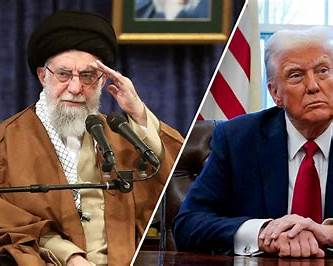
President Donald Trump sharply escalated rhetoric against Iran following a high-level national security meeting held at his Virginia golf club. According to officials familiar with the discussions, the meeting focused on possible next steps in the growing Iran conflict and included Vice President JD Vance, Secretary of State Marco Rubio, CIA Director John Ratcliffe, and special envoy Steve Witkoff.


In a message posted on social media, Trump warned:
“For Iran, the Clock is Ticking, and they better get moving, FAST, or there won’t be anything left of them. TIME IS OF THE ESSENCE! President DJT.”
The statement immediately triggered renewed speculation that the United States could be preparing for additional military operations targeting Iranian infrastructure or strategic facilities.


Reports indicate the Pentagon has already drafted multiple strike scenarios involving Iranian energy and infrastructure targets should Trump authorize expanded action.
The administration’s frustration reportedly centers on two key issues:
- Iran’s handling of ongoing diplomatic negotiations
- Continued disruption around the Strait of Hormuz, a critical global shipping route affecting oil markets worldwide
The Strait of Hormuz remains one of the world’s most strategically sensitive waterways, with a significant portion of global oil exports passing through the corridor each day. Prolonged instability there has already contributed to fears of rising energy prices and broader economic disruption.
Trump and Netanyahu Coordinate as Regional Risks Grow
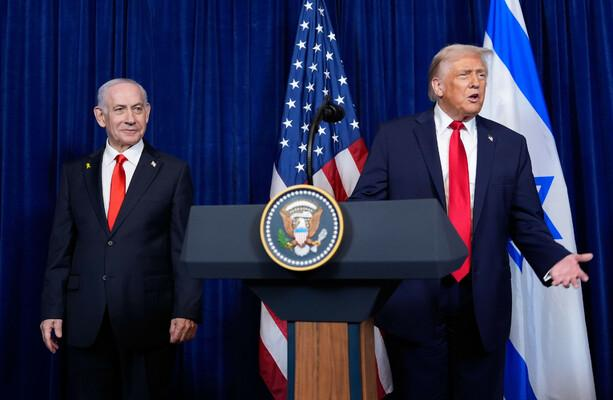
Trump also spoke directly with Israeli Prime Minister Benjamin Netanyahu amid the growing crisis.


The conversation highlights increasingly close coordination between Washington and Jerusalem as Israel continues military operations against Hamas and monitors Iran-backed regional actors.
Israeli officials have repeatedly warned that Iran’s support for Hamas, Hezbollah, and allied militant groups represents a long-term strategic threat to Israeli security. Analysts say Israeli leadership fears that any weak or incomplete diplomatic arrangement between Washington and Tehran could leave Iran’s regional military network intact.
At the same time, the White House appears divided between those pushing for diplomacy and those advocating renewed military pressure.
Trump reportedly delayed major decisions during his recent trip to China, where discussions with Chinese President Xi Jinping may have influenced the administration’s calculations regarding Iran. Beijing maintains close economic and political ties with Tehran, making China an important player in any potential diplomatic resolution.
Iran Pushes Back Against US and Israel
Iranian President Masoud Pezeshkian responded forcefully to the growing pressure, accusing the United States and Israel of fueling instability throughout the Islamic world.
According to Iran-linked media outlets, Pezeshkian said the US and Israel:
“have always tried to pit Islamic nations against one another through divisive projects and by fostering distrust.”
He also insisted that Iran seeks:
“sincere, stable relations based on good neighborliness with the region’s Islamic countries.”
The remarks came during meetings with Pakistan’s Interior Minister Mohsin Naqvi, whose government has reportedly played a mediating role in US-Iran negotiations.
However, there are few signs that either side is prepared to retreat from its position.
Israel Intensifies Military Activity Around Gaza
While diplomatic tensions grew, Israeli military operations also expanded on the ground and at sea.
Israeli naval commandos from the elite Shayetet 13 unit launched an operation to intercept a Gaza-bound flotilla that departed from Turkey carrying hundreds of pro-Palestinian activists.
The flotilla reportedly included 57 vessels connected to the IHH organization, the same group associated with the 2010 Mavi Marmara incident that resulted in violent clashes between activists and Israeli forces.
Israeli officials stated they would not allow the vessels to break the naval blockade surrounding Gaza. The operation took place hundreds of nautical miles from Israeli shores and involved both Israeli Navy forces and naval commandos.
Separately, Israeli media reported that the IDF eliminated a Hamas operative allegedly planning sniper attacks against Israeli soldiers in southern Gaza.
The developments underscore how the Gaza conflict continues to intersect with broader regional rivalries involving Iran and its allies.
Iran’s Influence Remains Central to Israeli Security Concerns
Iran’s long-standing backing of Hamas and Hezbollah remains one of the central drivers of Israeli security policy.
A recent opinion piece marking Israel’s 78th anniversary argued that Iranian threats toward Israel continue to shape the country’s national outlook. The commentary noted that Iran has repeatedly called for Israel to be “annihilated” while supporting militant organizations hostile to the Jewish state.
The article also highlighted Israel’s history of surviving repeated regional wars since its independence in 1948, including conflicts in 1967, 1973, and 2023. According to the piece, Israeli society increasingly sees Iran as part of a broader existential challenge facing the country.
This perspective continues to influence both military planning and diplomatic strategy in Jerusalem.
Global Markets Watching the Strait of Hormuz
Beyond military concerns, global financial markets are closely monitoring developments involving Iran and the Strait of Hormuz.
Any escalation involving shipping routes in the Persian Gulf could significantly affect:
- Global oil prices
- Energy supply chains
- Inflation trends
- International shipping costs
Trump’s frustration over the continued disruption of maritime traffic reflects growing concern inside the White House about economic fallout, particularly as energy prices remain politically sensitive.
Energy analysts warn that even limited military strikes could trigger broader instability across Gulf shipping lanes.
Diplomacy or Escalation?
Despite increasingly hostile rhetoric, diplomacy has not completely collapsed.
Pakistan continues attempting to mediate between Washington and Tehran, while China’s relationship with Iran adds another layer of geopolitical complexity. European governments are also believed to be quietly encouraging renewed negotiations.
Still, recent developments suggest that military planning is accelerating faster than diplomatic progress.
Trump is expected to meet again with his national security team in the coming days to discuss Iran strategy.
Whether those meetings lead to renewed negotiations or deeper confrontation may shape not only the future of US-Iran relations, but the broader stability of the Middle East.
A Region on Edge
The current moment reflects the convergence of several overlapping crises:
- The ongoing Israel-Hamas war
- US-Iran tensions
- Maritime security disputes
- Global energy concerns
- Regional power competition involving China, Pakistan, and Gulf states
For Israel, the conflict increasingly appears tied to long-term fears surrounding Iran’s regional influence.
For Trump, the crisis presents a major foreign policy test balancing military pressure with diplomatic negotiation.
For Iran, resisting US and Israeli pressure remains central to its regional identity and strategic positioning.
As all sides harden their positions, the possibility of a broader regional confrontation remains a growing concern for world leaders and international markets alike.