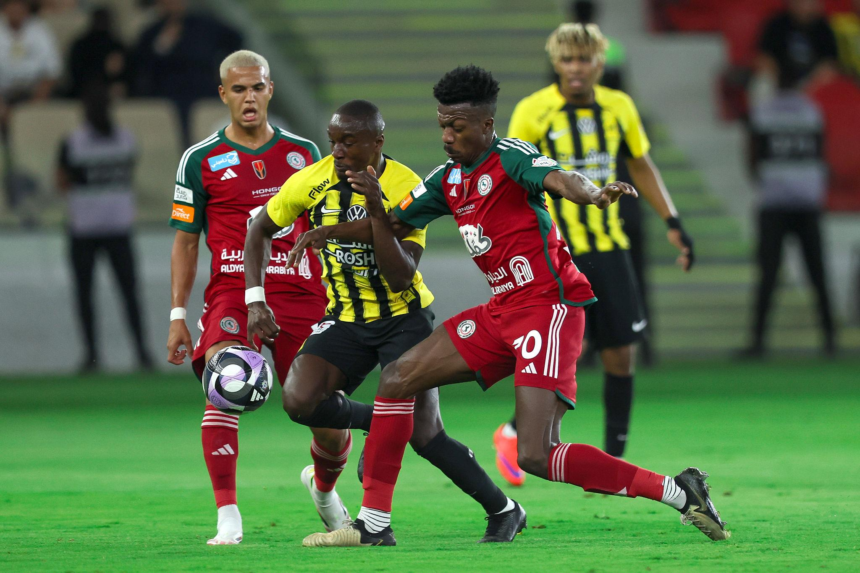
Al-Ettifaq vs Al-Ittihad: Diaby Double Defines a Ruthless Away Win
Al-Ittihad delivered one of the sharper away performances of their Saudi Pro League run as they beat Al-Ettifaq 3-1 at EGO Stadium on Thu 14 May 2026, turning a competitive match into a clear statement of attacking efficiency. The scoreline told one story; the numbers told another. Al-Ettifaq had more possession, more corners, and slightly better pass accuracy, but Al-Ittihad carried the greater threat where it mattered most: in front of goal.
- A Fast Start That Changed the Match
- Khalid Al Ghannam Gives Al-Ettifaq Hope
- Diaby’s Second Goal Ends the Contest
- The Statistics Reveal the Real Difference
- Possession Without Penetration
- Al-Ittihad’s Away Maturity Stands Out
- What It Means for Al-Ettifaq
- What It Means for Al-Ittihad
- A Match Decided by Precision
This was not a match controlled in the traditional sense. Al-Ettifaq had 51.7% possession compared with Al-Ittihad’s 48.3%, completed 387 passes to the visitors’ 363, and won five corners while Al-Ittihad had only one. Yet Al-Ittihad produced 18 shots, nine on target, and three goals. Al-Ettifaq managed 14 shots but only three on target, a gap that ultimately shaped the result.
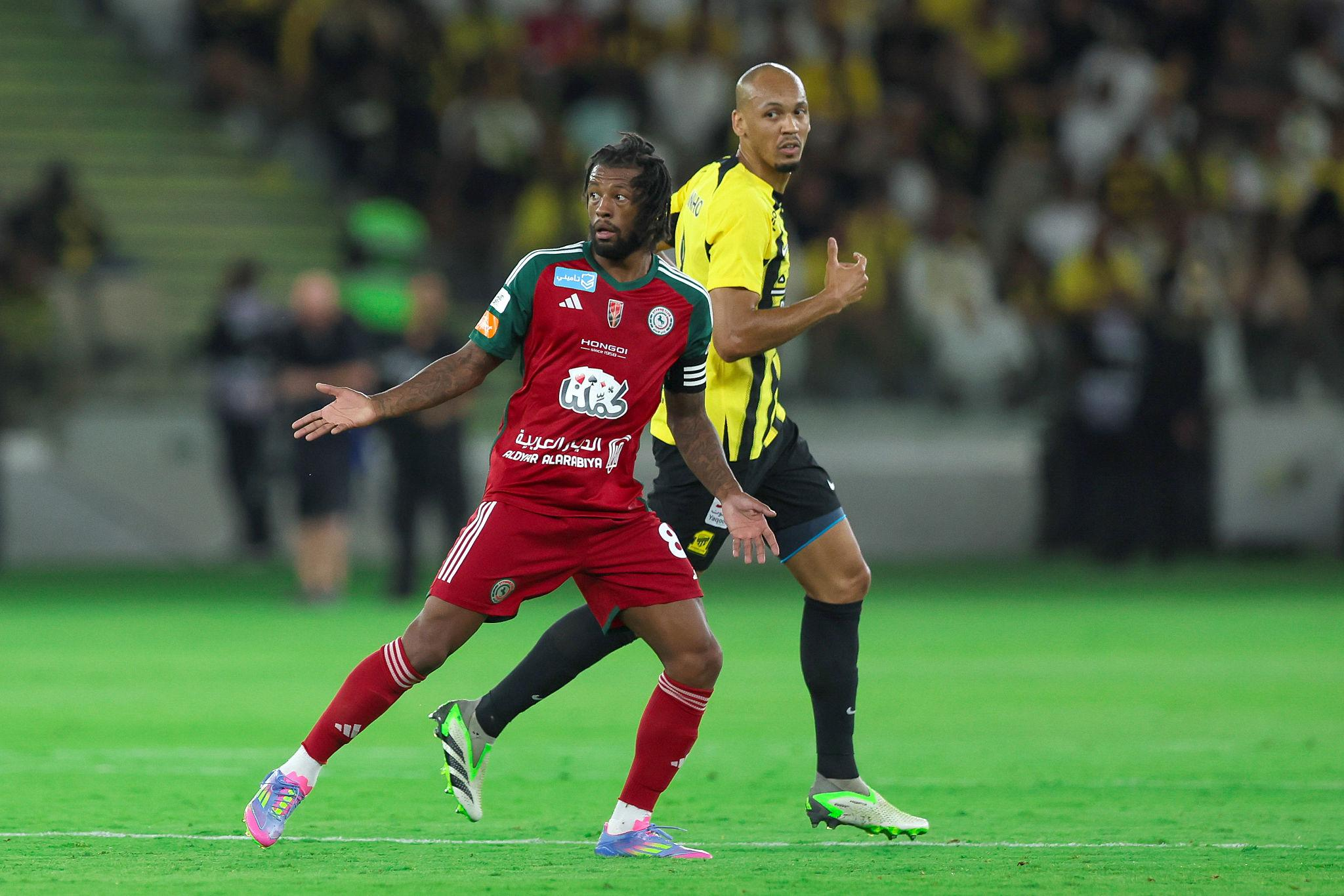
A Fast Start That Changed the Match
Al-Ittihad did not wait to feel their way into the game. H. Aouar opened the scoring in the 3rd minute, finishing from an assist by M. Mitaj to give the visitors immediate control of the scoreboard. That early goal changed the emotional rhythm of the match: Al-Ettifaq were forced to chase, while Al-Ittihad could play with sharper transitions and more direct attacking intent.


The second goal arrived in the 19th minute through M. Diaby, assisted by Fabinho. It was the kind of moment that showed why Al-Ittihad’s attacking setup can be so damaging. With Diaby’s pace, Aouar’s movement, and Fabinho’s ability to influence play from midfield, the visitors had multiple routes into dangerous areas.
At 0-2 after less than 20 minutes, Al-Ettifaq were in danger of being overrun. But they responded before the interval, and that response briefly gave the match a very different complexion.


Khalid Al Ghannam Gives Al-Ettifaq Hope
Al-Ettifaq’s goal came in the 26th minute, with Khalid Al Ghannam scoring from a João Costa assist. It was a crucial moment for the home side, not only because it reduced the deficit, but because it restored belief before half-time.
The match reached the break at 1-2, leaving Al-Ettifaq within touching distance. Given their possession numbers and their ability to move the ball with reasonable accuracy, the home side had a platform to push for an equaliser in the second half.
But the problem was not effort or territory. It was incision. Al-Ettifaq had enough of the ball to create pressure, but not enough precision in the final action. Their three shots on target across the match underlined the issue: they could enter promising areas, but Al-Ittihad were more convincing when chances appeared.
Diaby’s Second Goal Ends the Contest
The decisive moment came in the 79th minute. M. Diaby scored his second goal of the match, this time assisted by Faisal Al Ghamdi, to make it 1-3. That goal effectively ended Al-Ettifaq’s hopes of rescuing the match.


Diaby’s brace was the defining individual contribution of the game. His first goal gave Al-Ittihad a cushion; his second removed any late uncertainty. A highlight clip from the match was titled “Al Ettifaq – Al Ittihad 0 – 2 | GOL – Moussa Diaby,” reflecting how central his finishing was to the story of the night.
For Al-Ittihad, the victory was built around attacking sharpness rather than overwhelming dominance. They were not significantly ahead in possession, passing, or territory. But they were far superior in shot quality and end product.
The Statistics Reveal the Real Difference
The match statistics explain why Al-Ittihad’s win felt both efficient and deserved. Al-Ettifaq had 14 shots, but only three were on target. Al-Ittihad had 18 shots and tested the goalkeeper nine times. That six-shot-on-target difference was the clearest performance gap in the game.
Al-Ettifaq’s goalkeeper made five saves, while Al-Ittihad’s goalkeeper made three. The home side also had to deal with 25 Al-Ittihad clearances, suggesting the visitors were prepared to defend deeper when needed and protect their lead through structure and volume. Al-Ettifaq made 13 clearances.
Defensively, the contest was physical but not chaotic. Al-Ettifaq committed nine fouls and received one yellow card, while Al-Ittihad committed 16 fouls and received two yellow cards in the provided match statistics. Additional match reporting listed late cautions, including Abdulaziz Al-Bishi and Saleh Al-Shehri in the 89th minute.
Possession Without Penetration
One of the most interesting parts of the match was Al-Ettifaq’s statistical profile. On paper, several indicators were positive. They had more possession, more total passes, better pass accuracy, and more corners. Their pass accuracy stood at 82.9%, compared with Al-Ittihad’s 80.2%.
Those numbers usually suggest a team capable of controlling rhythm. But football matches are not won by possession alone. Al-Ettifaq’s issue was converting control into high-value chances. Five corners and 14 shots should have produced more than three efforts on target.
That is where the contrast became stark. Al-Ittihad did not need to dominate possession because they were more purposeful when they attacked. Their 18 shots and nine on target showed a side that entered the final third with clearer intent.
Al-Ittihad’s Away Maturity Stands Out
This result also matters in the broader context of the league table. Al-Ittihad entered this fixture above Al-Ettifaq, and after the result they remained firmly ahead in the Saudi Pro League standings. Public match data listed Al-Ittihad in fifth after the game, with Al-Ettifaq seventh.
Before the match, the contest had been framed as a tight meeting between two sides separated by three points. Al-Ettifaq were coming off a 5-0 win over Al Khaleej, while Al-Ittihad had recently beaten Damac FC 2-1 through a 94th-minute Abdulaziz Al-Bishi goal. That made the fixture feel evenly balanced on form and motivation.
Instead, Al-Ittihad showed greater match management. They scored early, absorbed Al-Ettifaq’s response, and found the third goal when the match was still alive. That sequence is the profile of a side capable of winning without needing full control.
What It Means for Al-Ettifaq
For Al-Ettifaq, the defeat will be frustrating because it was not a passive performance. They competed in possession, moved the ball with accuracy, and created enough attacking situations to trouble the visitors. But they were punished for defensive gaps and a lack of final-third sharpness.
Khalid Al Ghannam’s goal was a positive, and João Costa’s assist showed promise. Still, conceding in the 3rd and 19th minutes left Al-Ettifaq chasing the game far too early. Against a team with Al-Ittihad’s attacking quality, that is a dangerous position.
The numbers also point to a familiar problem: defensive vulnerability. The provided preview information noted that Al-Ettifaq had conceded heavily across the campaign, and this match reinforced the concern. Even with more possession, they could not prevent Al-Ittihad from creating better chances.
What It Means for Al-Ittihad
For Al-Ittihad, this was a highly valuable away win. H. Aouar’s early goal set the tone, Fabinho contributed with an assist, Faisal Al Ghamdi added another, and M. Diaby emerged as the match-winner with goals in the 19th and 79th minutes.
The win also highlighted balance. Al-Ittihad were aggressive enough to create 18 shots, disciplined enough to defend their lead, and clinical enough to turn nine shots on target into three goals. Their 25 clearances showed they were willing to do the less glamorous defensive work when Al-Ettifaq pushed forward.
That combination — early scoring, transition threat, and late control — made the performance convincing even without possession dominance.
A Match Decided by Precision
Al-Ettifaq vs Al-Ittihad was not a one-sided contest in every statistical category, but it was one-sided in the most decisive category: attacking execution. Al-Ettifaq had the ball. Al-Ittihad had the cutting edge.
The 3-1 result will be remembered largely for M. Diaby’s brace, but the wider story is about efficiency. Al-Ittihad scored at key moments, defended when necessary, and punished Al-Ettifaq’s inability to convert pressure into enough clear chances.
For Al-Ettifaq, the performance offered signs of competitiveness but also exposed the cost of defensive lapses. For Al-Ittihad, it was a reminder that in tight league matches, precision can matter more than possession.