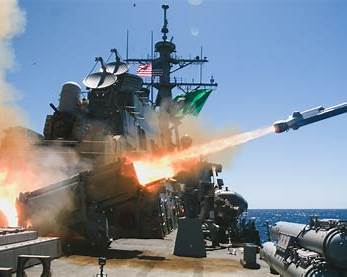
Missile Systems, Modern Warfare, and Global Tensions: Why Missiles Are Dominating International Security Debates
Missiles have once again become central to global security discussions as governments expand defense programs, conflicts intensify, and military technologies evolve at unprecedented speed. From Southeast Asia’s diplomatic dispute over naval missile deliveries to the continuing missile barrages in Ukraine and the rapid expansion of hypersonic weapons programs in the United States, missiles are increasingly shaping international politics, military strategy, and geopolitical alliances.
The renewed focus on missile technology reflects more than battlefield necessity. It signals a broader transformation in how nations project power, deter adversaries, and prepare for future warfare. Modern missile systems now combine speed, precision, maneuverability, and long-range strike capability in ways that are redefining defense priorities worldwide.
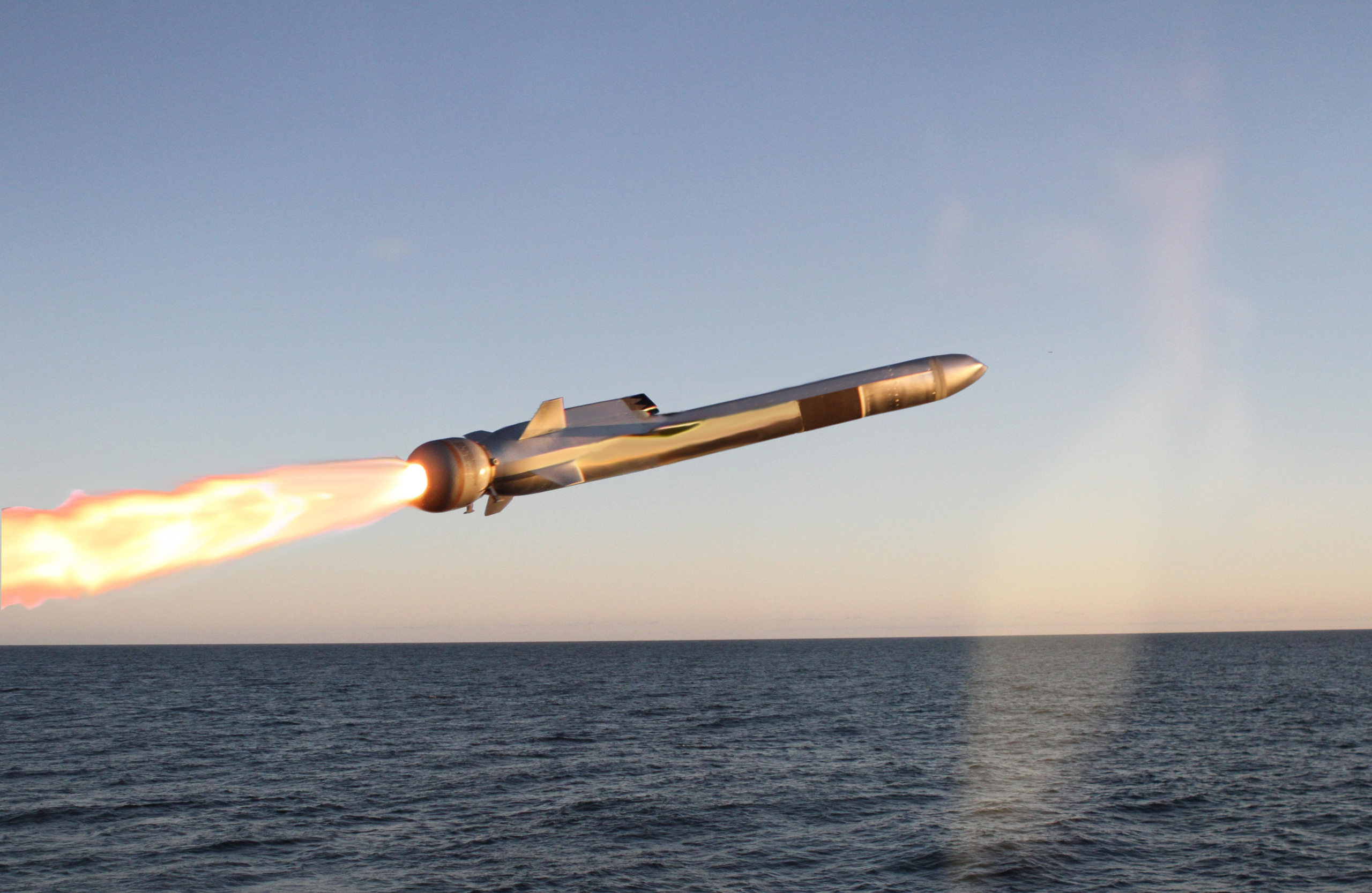
Malaysia and Norway Clash Over Missile Export Halt
One of the latest international disputes involving missile systems emerged between Malaysia and Norway after Oslo unexpectedly revoked export approvals tied to a naval strike missile system intended for Malaysia’s combat ships.


Malaysia strongly condemned the move, warning that it could threaten national defense readiness and destabilize regional security planning. Prime Minister Anwar Ibrahim personally raised the matter during a phone call with Norwegian Prime Minister Jonas Gahr Stoere, describing the decision as “unilateral and unacceptable.”
“Signed contracts are solemn instruments. They are not confetti to be scattered in so capricious a manner,” Anwar said.


The missile system in question was being supplied by Kongsberg Defence & Aerospace AS, a major Norwegian defense contractor. Norwegian authorities said the export licenses were revoked because certain technologies involved are now subject to stricter controls.
Malaysia argued that the sudden cancellation undermines confidence in European defense suppliers and creates uncertainty for long-term military partnerships.
“If European defence suppliers reserve the right to renege with impunity, their value as strategic partners flies out the window,” Anwar added.
The issue has particular significance because the missile systems were linked to Malaysia’s Littoral Combat Ship (LCS) modernization program, one of the country’s largest naval defense initiatives. Originally launched in 2011 with an estimated cost of 6 billion ringgit, the project has faced years of delays, financial overruns, and management controversies.


The program was later revised to include five ships instead of six, but delays have persisted. The first vessel, initially expected this year, has now been postponed until December because of equipment delivery problems and ongoing rework challenges.
Malaysia warned that the halted missile exports could seriously affect operational readiness and alter the regional security balance in Southeast Asia.
Missiles and the Ukraine War
While diplomatic disputes unfold in Asia, missiles remain a devastating reality on the battlefield in Eastern Europe.
Russia launched another major wave of missile and drone strikes against Ukraine, targeting Kyiv and multiple regions across the country. Ukrainian officials reported that residential buildings were damaged, fires erupted across the capital, and emergency crews searched through collapsed structures for survivors.
In Kyiv’s Darnytskyi district, part of a residential building collapsed after being struck during the attack. Emergency responders raced to rescue civilians trapped beneath rubble as officials warned of widespread destruction.
Ukrainian President Volodymyr Zelensky condemned the strikes, saying the attacks demonstrated that Russia was escalating rather than moving toward peace.
The strikes followed one of the largest aerial assaults since the start of Russia’s full-scale invasion in 2022. According to reports, Russia launched hundreds of drones in coordinated attacks alongside missile strikes, targeting infrastructure and urban centers across Ukraine.
Kyiv Mayor Vitaliy Klychko said numerous apartments had been destroyed and critical services disrupted. Other areas including Kharkiv, Sumy, Chernihiv, Odesa, and Poltava also came under attack.
The conflict has highlighted how missiles have become central tools in modern warfare. Unlike traditional artillery, modern missile systems can strike targets hundreds or even thousands of kilometers away with high precision. Combined with drones, they create layered attacks that challenge air-defense systems and increase pressure on civilian infrastructure.
The Rise of Hypersonic Missiles
Beyond active conflicts, global military powers are investing heavily in next-generation missile technologies — particularly hypersonic weapons.
The United States Air Force is planning major new investments in hypersonic missile development as part of its fiscal 2027 budget strategy. Among the programs receiving attention is the AGM-183A Air-Launched Rapid Response Weapon (ARRW), a hypersonic boost-glide missile developed by Lockheed Martin.
Hypersonic missiles travel at speeds of Mach 5 or greater and are capable of maneuvering during flight, making them significantly harder to intercept than conventional ballistic missiles.
The Air Force plans to continue development of ARRW while also launching a new Air-Launched Ballistic Missile (ALBM) program designed to complement existing hypersonic capabilities. According to budget documents, the service is seeking hundreds of millions of dollars for continued research, testing, and procurement activities.
Military officials say these systems are intended to improve long-range strike capability and ensure effectiveness in highly contested environments.
The United States is not alone in pursuing hypersonic weapons. Russia and China have also accelerated development of advanced missile systems capable of bypassing traditional missile defense networks.
Russia has repeatedly claimed operational use of hypersonic weapons during the Ukraine conflict, while China continues to expand research into high-speed glide vehicles and strategic missile technologies.
The growing competition has triggered concerns about a new arms race centered on speed, survivability, and strategic deterrence.
Why Missiles Matter More Than Ever
Missiles occupy a unique position in military strategy because they combine deterrence and offensive capability in a single platform.
Modern missile systems can serve several purposes simultaneously:
- Long-range precision strikes
- Air-defense interception
- Naval warfare
- Strategic nuclear deterrence
- Battlefield support
- Infrastructure disruption
- Anti-ship operations
Their flexibility makes them essential for both conventional warfare and strategic military planning.
The increasing use of missiles also reflects changing battlefield realities. Nations are investing more heavily in stand-off strike capabilities that allow attacks from safe distances without placing pilots or troops directly in danger.
At the same time, missile defense systems are becoming equally important. Countries worldwide are upgrading radar systems, interception technologies, and integrated air-defense networks in response to growing missile threats.
This technological competition is driving rapid innovation across defense industries.
Economic and Political Implications
Missile programs are not only military projects; they are also major economic and political instruments.
Defense contracts involving missile technology often run into billions of dollars and can influence diplomatic relationships between nations. The dispute between Malaysia and Norway demonstrates how export restrictions can strain strategic partnerships and reshape regional alliances.
Missile development also fuels domestic defense industries, supports research sectors, and creates highly specialized manufacturing jobs.
However, these programs come with enormous financial burdens. Advanced missile systems require sophisticated guidance systems, propulsion technologies, testing infrastructure, and secure production chains.
For countries already facing economic pressure, balancing defense modernization with domestic priorities can become politically sensitive.
The Future of Missile Warfare
The future of missile warfare is likely to be defined by speed, automation, precision, and integration with artificial intelligence.
Military analysts increasingly expect future missile systems to include:
- AI-assisted targeting
- Autonomous navigation systems
- Enhanced electronic warfare resistance
- Faster production cycles
- Greater stealth capabilities
- Multi-domain integration with drones and satellites
Hypersonic technology, in particular, may transform strategic calculations worldwide because traditional missile defense systems struggle to counter weapons traveling at extreme speeds with unpredictable flight paths.
At the same time, concerns over escalation risks are growing. As more countries acquire sophisticated missile technologies, the possibility of rapid and large-scale conflict escalation becomes more significant.
International arms-control agreements may eventually need to evolve to address these emerging threats, though geopolitical tensions currently make consensus difficult.
Conclusion
Missiles are no longer just weapons of war; they have become symbols of geopolitical influence, technological advancement, and national security strategy.
From Malaysia’s defense dispute with Norway to Russia’s ongoing attacks in Ukraine and the United States’ expanding hypersonic ambitions, missile systems are reshaping international relations and military doctrine around the world.
As countries race to modernize arsenals and develop faster, smarter, and more precise weapons, the global conversation surrounding missiles is becoming increasingly urgent. The coming years are likely to determine not only which nations lead in missile technology, but also how the world manages the risks associated with an era of rapidly evolving warfare.